 2026-02-02
 Content
Overheating is one of the most common causes of motor failure across industrial equipment, HVAC systems, home appliances, and emerging electric mobility platforms. While many engineers initially focus on load ratings or insulation class, thermal stress often develops gradually due to voltage imbalance, frequent start-stop cycles, restricted airflow, or bearing friction. Without active protection, internal winding temperatures can exceed design limits long before external signs appear.
A Motor Thermal Protector acts as an embedded safeguard, interrupting power when abnormal temperature rise is detected. Unlike external fuses, it responds directly to heat accumulation inside the motor structure, making it highly effective against slow-developing thermal events that traditional protection devices may miss.
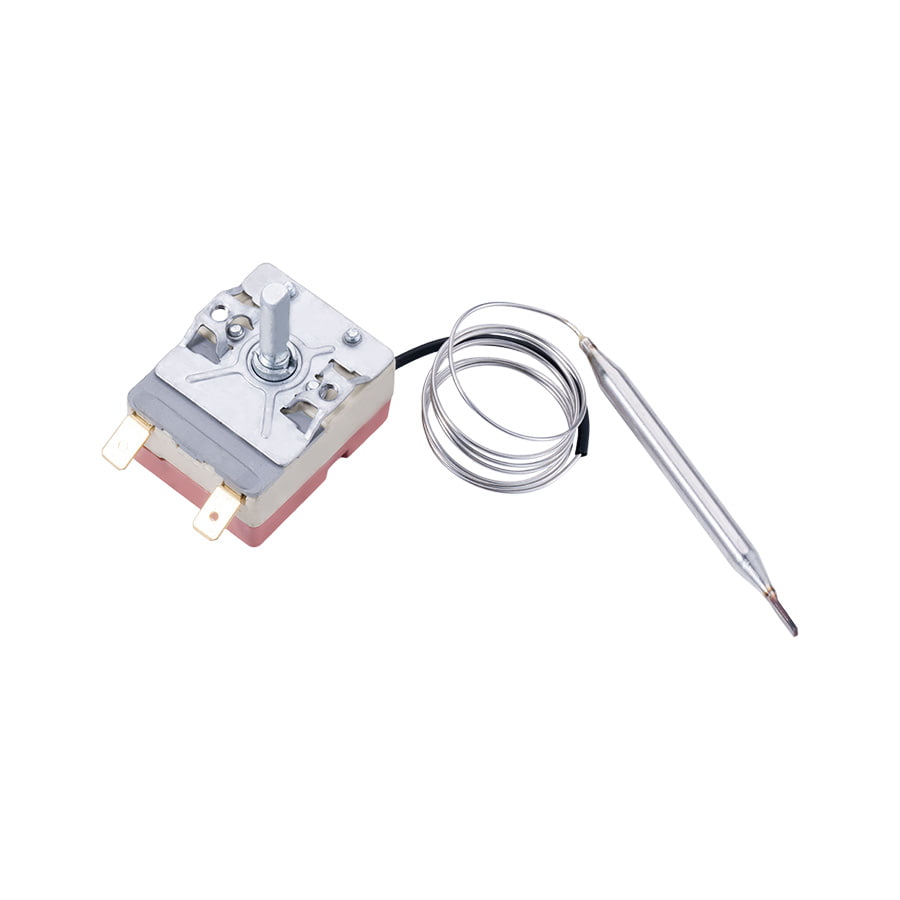
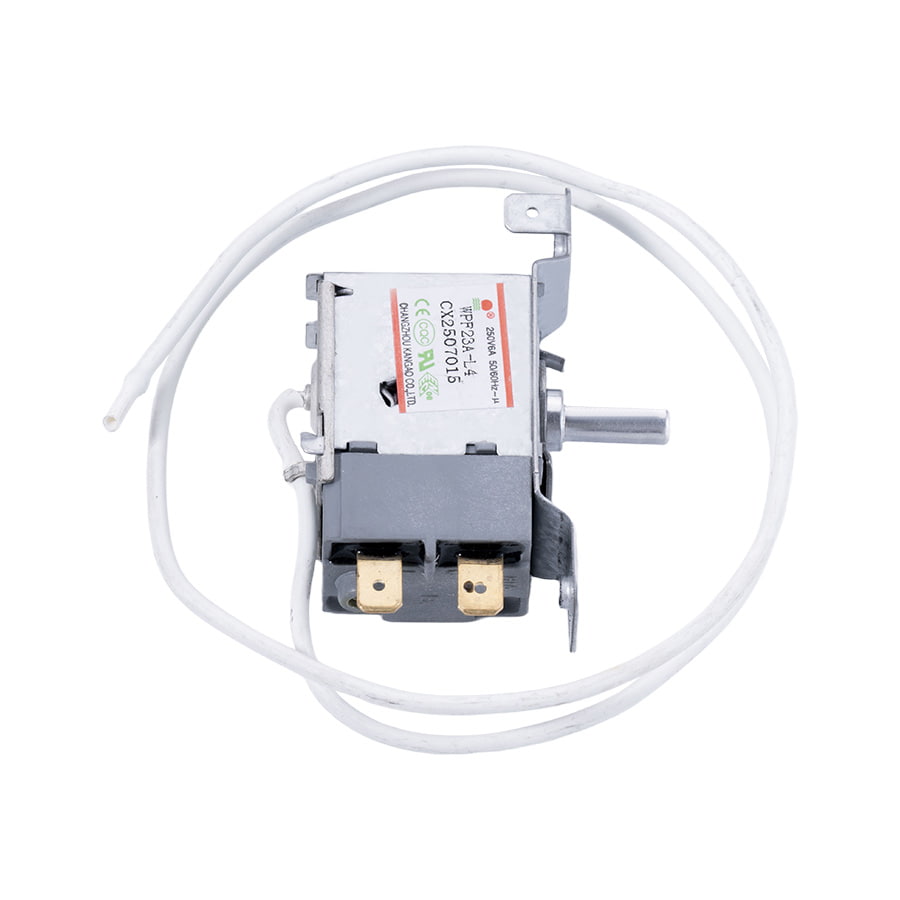
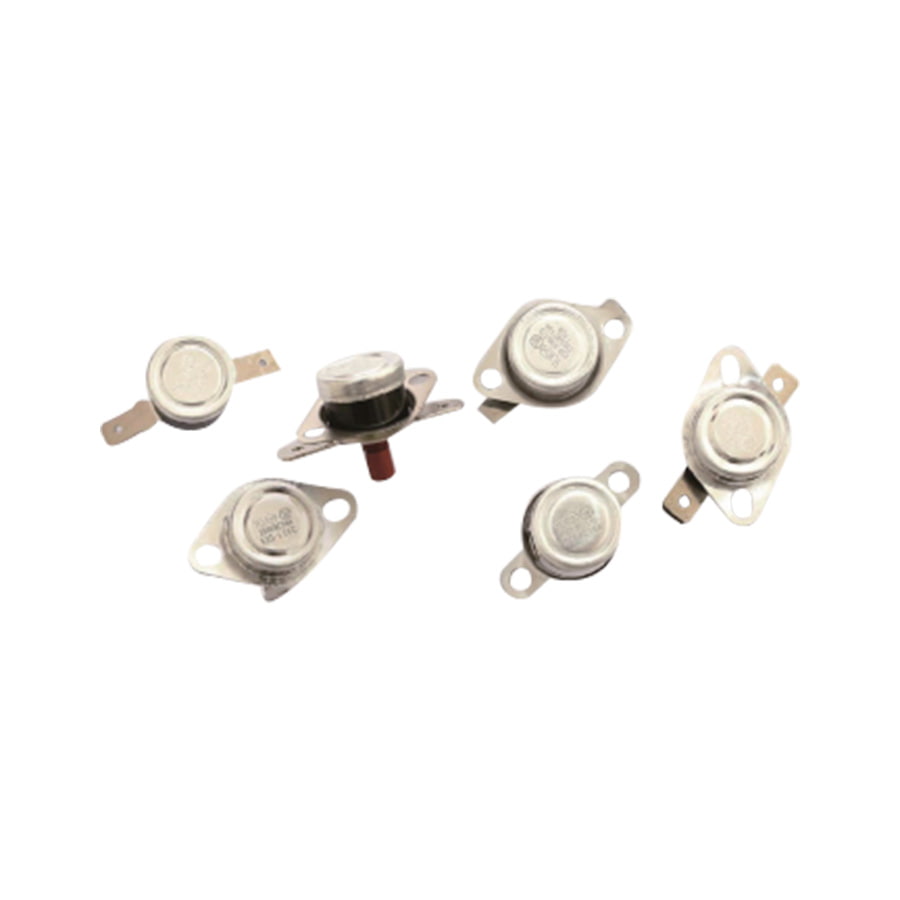
Most Motor Thermal Protector designs rely on bimetallic elements or thermistor-based sensing. Bimetal types physically bend under rising temperature, triggering a mechanical disconnect, while PTC thermistors increase resistance rapidly once a threshold is reached, signaling control circuits to shut down the motor. Each approach offers specific advantages depending on application environment and response requirements.
These parameters must align with motor duty cycles. A poorly matched protector may either trip too frequently or respond too late, reducing overall system reliability.
Some systems rely solely on external overload relays or circuit breakers. While these devices monitor current, they cannot directly measure winding temperature. A Motor Thermal Protector embedded in the stator offers faster and more precise response because it senses actual heat buildup instead of electrical proxies.
| Protection Type | Detection Method | Primary Limitation |
| Circuit Breaker | Current | Does not track winding temperature |
| Overload Relay | Current & time | Delayed response to thermal inertia |
| Motor Thermal Protector | Direct temperature | Requires correct placement |
Applications with variable loads or limited ventilation benefit the most from thermal protection. Compressors, pumps, fans, and compact appliance motors are particularly vulnerable to heat accumulation because airflow is often restricted by housing design.
In these scenarios, even minor airflow reduction can raise winding temperatures by tens of degrees, making Motor Thermal Protectors essential for preventing progressive insulation breakdown.
Performance depends heavily on placement. Protectors mounted close to the hottest winding section respond faster than those attached to outer frames. Engineers often embed the device directly into stator slots or secure it against copper windings using insulating sleeves.
Incorrect installation may delay trip response, giving a false sense of security while internal temperatures continue rising.
Thermal aging follows an exponential curve: every 10°C increase above rated temperature can reduce insulation life by nearly half. By limiting peak temperatures, Motor Thermal Protectors significantly extend service intervals and reduce unexpected downtime.
From a maintenance perspective, protected motors show fewer winding failures, less varnish degradation, and more stable bearing lubrication. Over time, this translates into lower replacement frequency and more predictable asset planning.
Modern systems increasingly combine Motor Thermal Protectors with digital monitoring. Temperature data can now be fed into PLCs or cloud platforms, enabling predictive maintenance strategies. Instead of reacting to shutdowns, operators receive early warnings when motors begin trending toward thermal limits.
This hybrid approach blends traditional hardware protection with software analytics, helping facilities balance safety, uptime, and energy efficiency.
Choosing an appropriate Motor Thermal Protector involves evaluating trip temperature, current rating, reset behavior, and environmental resistance. Moisture, vibration, and chemical exposure can all affect long-term reliability.
When specified correctly, thermal protectors become a quiet but critical component that safeguards motors throughout their operating life.
While advances in motor materials and control electronics continue, heat remains an unavoidable byproduct of electromechanical operation. A Motor Thermal Protector directly addresses this reality by responding to the most fundamental risk factor: temperature itself.
Rather than relying solely on electrical indicators, thermal protection provides a physical layer of defense that complements modern control systems. For designers, installers, and operators alike, it remains one of the most practical tools for preventing overheating failures and ensuring long-term motor reliability.
 Category

 English
 中文简体
中文简体 عربى
عربى Español
 +86-13861233850