Heavy-duty gas springs are critical components in various applications, especially in the automotive and aerospace industries. These powerful devices offer a unique combination of strength, durability, and precision, making them indispensable for handling high loads and providing controlled movements in complex mechanical systems. In this article, we will explore the key reasons why heavy-duty gas springs are so well-suited for these demanding sectors.
Understanding Heavy-Duty Gas Springs
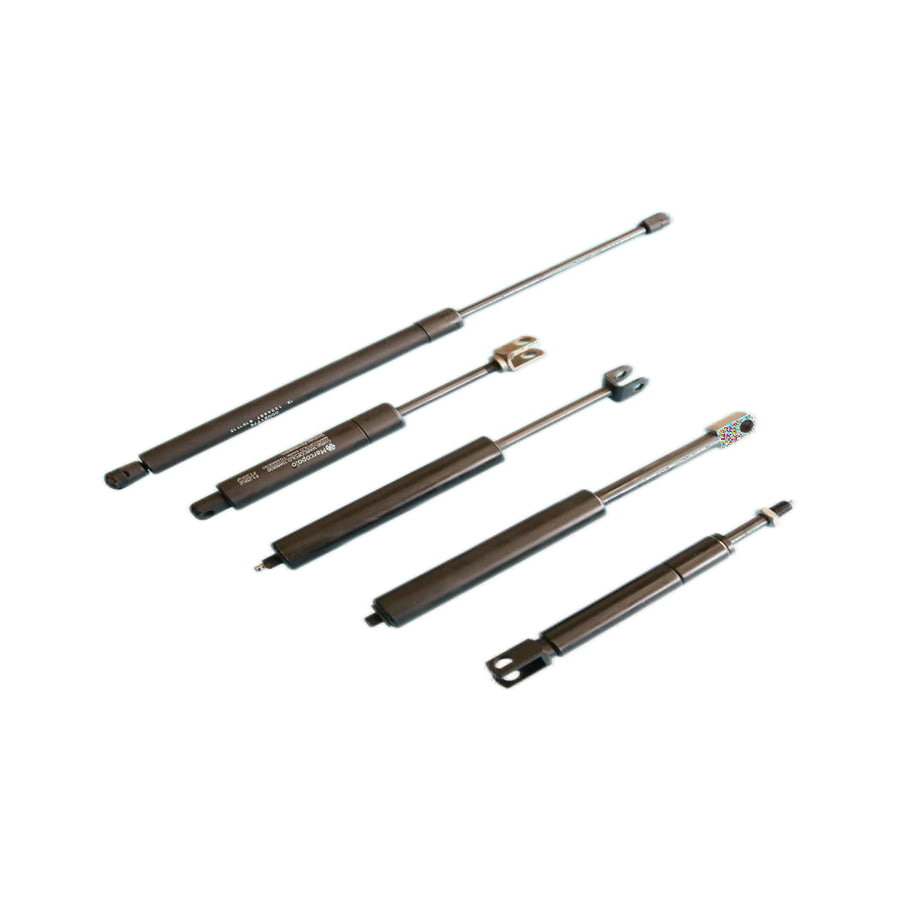
A heavy-duty gas spring is a mechanical device that uses compressed gas to provide force or resistance. They are typically composed of a cylinder, a piston, and a gas-filled chamber. The gas pressure inside the spring helps create the desired force, which can be used to lift, lower, or hold heavy objects in place. These springs are widely used in applications that require reliable motion control and the ability to manage substantial loads. Heavy-duty gas springs come in various sizes and force ratings, designed to meet the specific requirements of industries like automotive and aerospace. Their ability to provide consistent force with minimal maintenance makes them an ideal choice for high-performance systems that demand precision and safety.
Why Heavy-Duty Gas Springs Are Essential for Automotive Applications
In the automotive industry, heavy-duty gas springs play a crucial role in enhancing safety, performance, and functionality. They are commonly used in vehicle hoods, tailgates, seat adjustments, and liftgates, where controlled movement and load handling are paramount. Here are a few reasons why these springs are indispensable in automotive design:
- Controlled Lifting and Lowering: Heavy-duty gas springs provide smooth and controlled motion when lifting or lowering heavy components, such as vehicle hoods or tailgates. This controlled movement prevents damage to the parts and ensures a safer user experience.
- Weight Distribution: Automotive designs often include large and heavy components that require careful weight distribution. Heavy-duty gas springs help balance the weight, making it easier to lift and lower heavy elements like car doors, lids, and storage compartments.
- Durability and Longevity: Automotive environments are known for being harsh, with exposure to varying temperatures, vibrations, and frequent use. Heavy-duty gas springs are engineered to withstand these conditions, offering reliable performance over extended periods with minimal wear and tear.
- Space Efficiency: Automotive components need to be compact yet powerful. Heavy-duty gas springs are relatively small in size but provide significant force, making them an ideal choice for confined spaces in vehicles, ensuring that functionality is not compromised by limited space.
Heavy-Duty Gas Springs in Aerospace Applications
The aerospace industry demands the highest levels of precision, safety, and reliability. Heavy-duty gas springs are used extensively in aircraft design and maintenance, offering solutions that meet the rigorous requirements of this sector. Below are several reasons why heavy-duty gas springs are ideal for aerospace applications:
- High Load Capacity: Aerospace components, such as landing gear, cargo doors, and cabin access panels, often need to support heavy loads while providing smooth operation. Heavy-duty gas springs can support these large components, reducing the strain on manual or motorized systems and ensuring controlled, precise movement.
- Reliability in Extreme Conditions: The aerospace industry operates in extreme environments, with temperatures ranging from freezing cold at high altitudes to intense heat during landing. Heavy-duty gas springs are designed to maintain consistent performance in these conditions, ensuring they operate reliably across a wide range of temperatures and pressures.
- Precise Control: In aircraft, precision is crucial, especially in systems that involve the opening and closing of doors, hatches, and compartments. Heavy-duty gas springs offer precise control over the motion of these components, allowing for smooth, reliable operation every time.
- Space-Saving and Lightweight: Aerospace designs prioritize weight reduction and space optimization. Heavy-duty gas springs offer a lightweight solution without compromising strength or performance, making them ideal for use in space-constrained applications where every ounce counts.
Key Advantages of Heavy-Duty Gas Springs in Both Industries
Both the automotive and aerospace industries rely on heavy-duty gas springs for their ability to handle high loads with precision and consistency. These springs offer several advantages that make them indispensable across both sectors:
- Cost-Effective: Heavy-duty gas springs are generally more cost-effective compared to hydraulic systems, motors, or other alternatives. They provide a simple yet highly effective solution for controlling motion and managing loads, reducing overall system costs in manufacturing.
- Low Maintenance: Gas springs are virtually maintenance-free due to their sealed design. Unlike other components that require frequent lubrication or servicing, these springs operate smoothly with minimal upkeep, reducing downtime and maintenance costs.
- Customization Options: Heavy-duty gas springs are highly customizable, allowing manufacturers to adjust parameters like force, stroke length, and compression rates to meet specific application requirements. This flexibility makes them suitable for a wide range of automotive and aerospace applications.
- Safety: Gas springs provide a controlled motion that helps prevent sudden movements, reducing the risk of accidents. In automotive applications, they ensure that components like hoods and trunk lids open and close smoothly, while in aerospace, they help maintain secure closures for doors and hatches during flight.
The Future of Heavy-Duty Gas Springs in Automotive and Aerospace Industries
The future of heavy-duty gas springs in both automotive and aerospace industries looks promising, as technological advancements continue to enhance their performance and versatility. With the growing emphasis on fuel efficiency, safety, and automation, these springs will remain a critical component in modern engineering solutions. As more manufacturers adopt these springs in their designs, the applications and benefits of heavy-duty gas springs will only expand, further driving innovation in both sectors.
From reducing maintenance costs in automotive manufacturing to ensuring precise motion control in aerospace, heavy-duty gas springs continue to be an essential part of the technological advancements in these industries. As both sectors evolve and embrace new challenges, these reliable and versatile components will undoubtedly play a key role in shaping the future of motion control systems.

 2026-02-09
  Category

 English
 中文简体
中文简体 عربى
عربى Español
 +86-13861233850