

 English
 中文简体
中文简体 عربى
عربى Español
 +86-13861233850
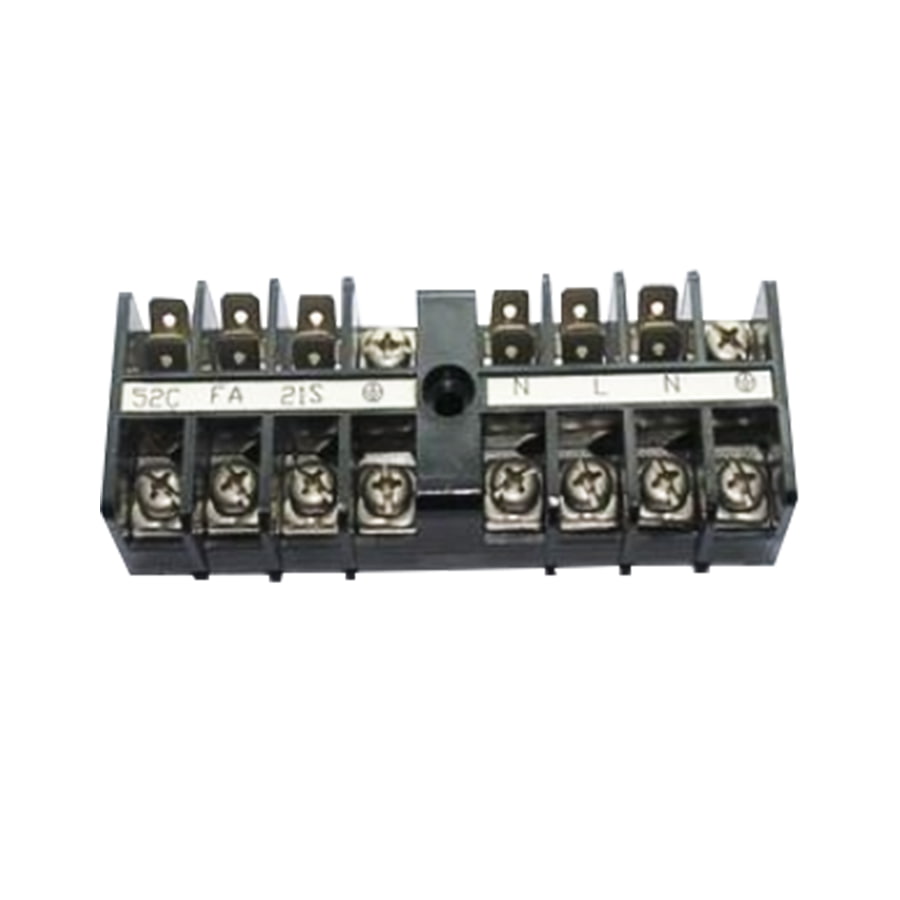
This terminal board boasts a high voltage rating of 600V and supports wires up to 4mm², ensuring saf...
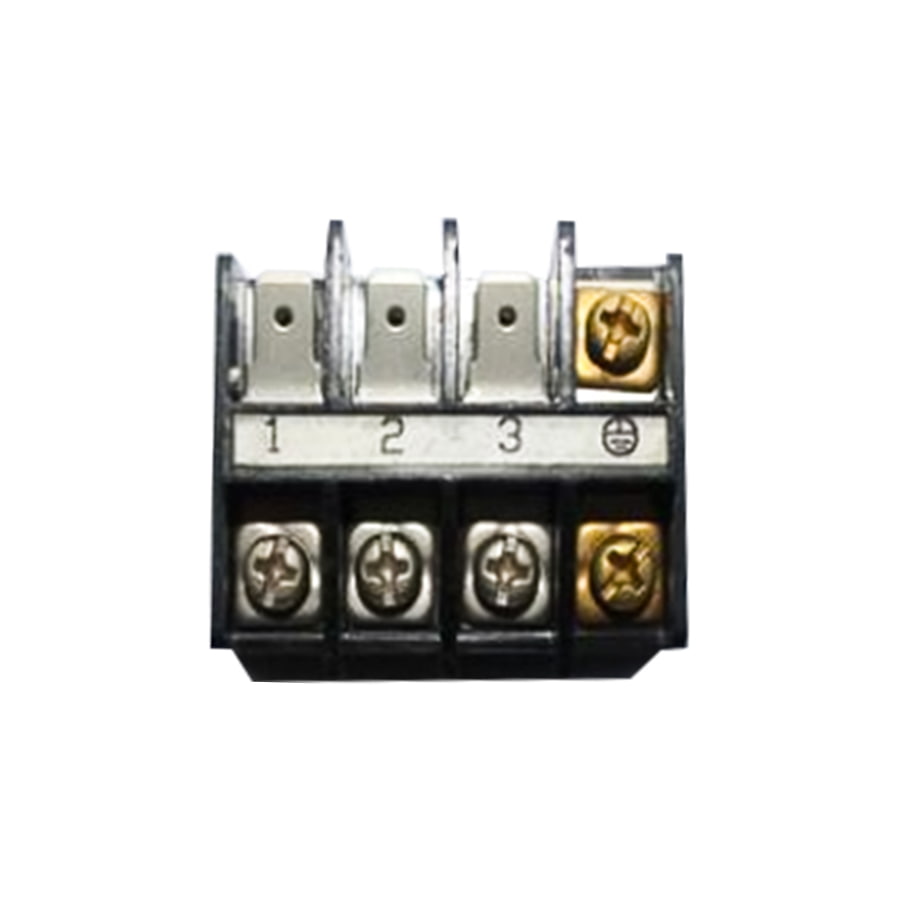
The JXW-4PD black barrier-style terminal board is rated for voltages up to 600V and can safely handl...
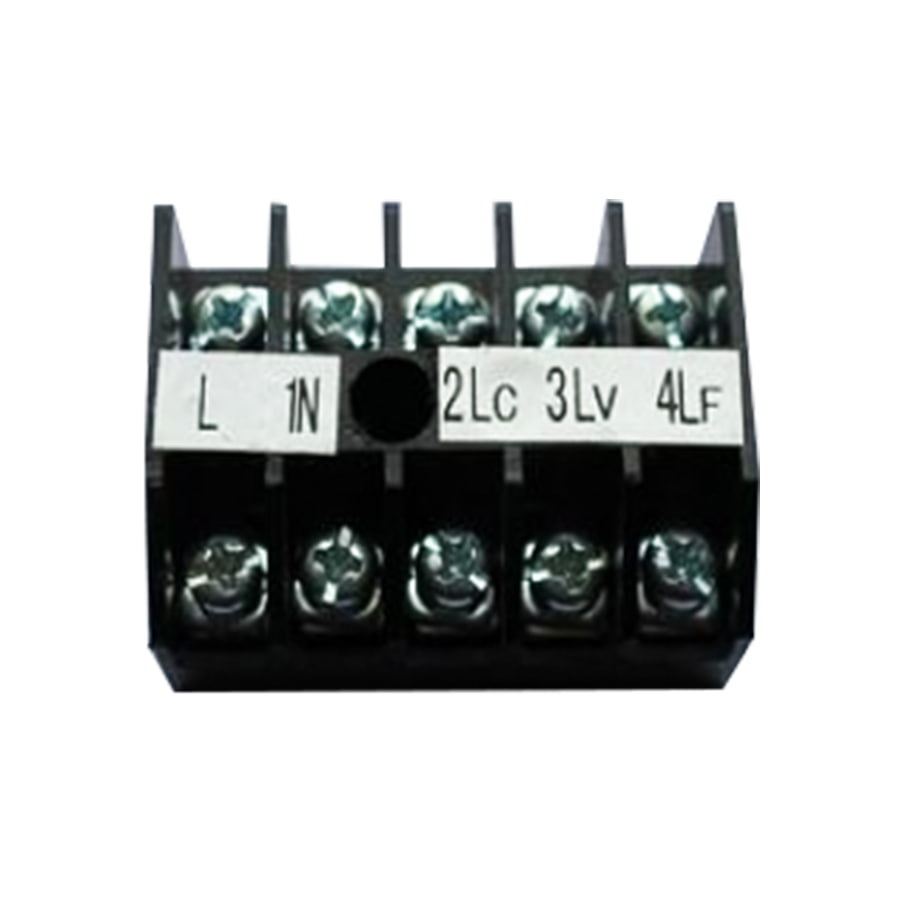
The JX-W-5PD industrial terminal board is designed for harsh industrial environments, providing stab...
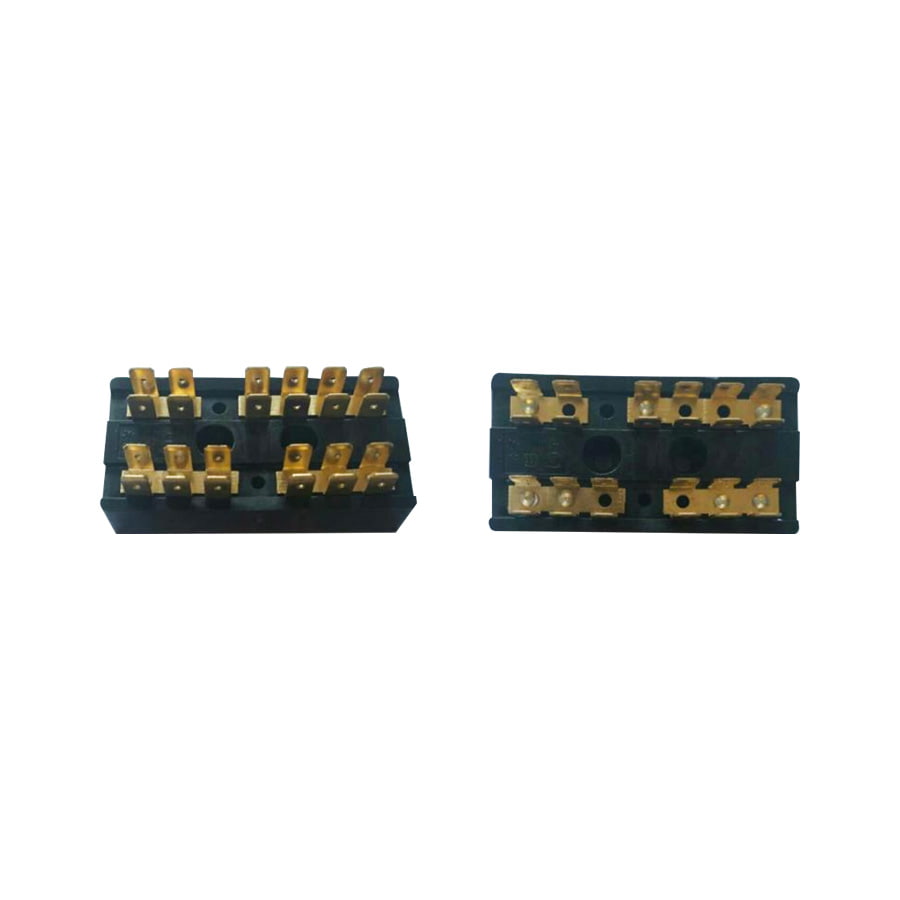
The product's compact dimensions of 75.5mm x 38.8mm x 23.3mm effectively conserve valuable installat...
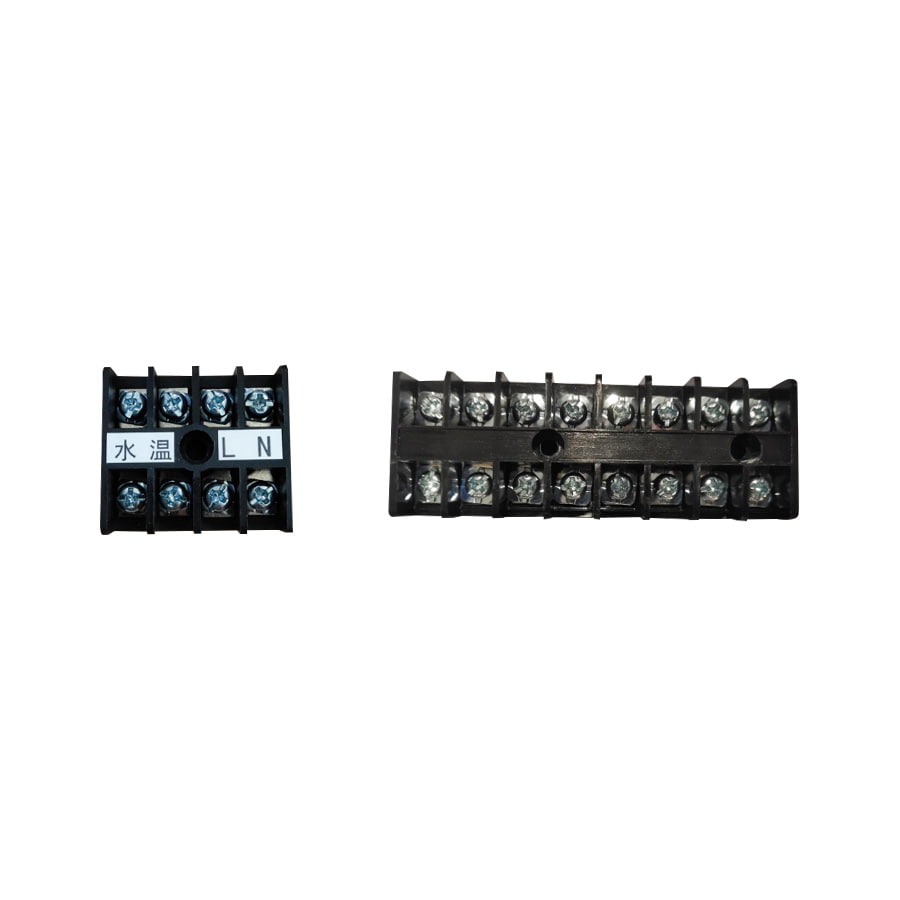
The JXW-4PD/JX-W-8PA series double-row terminal blocks are high-performance connectors designed for ...
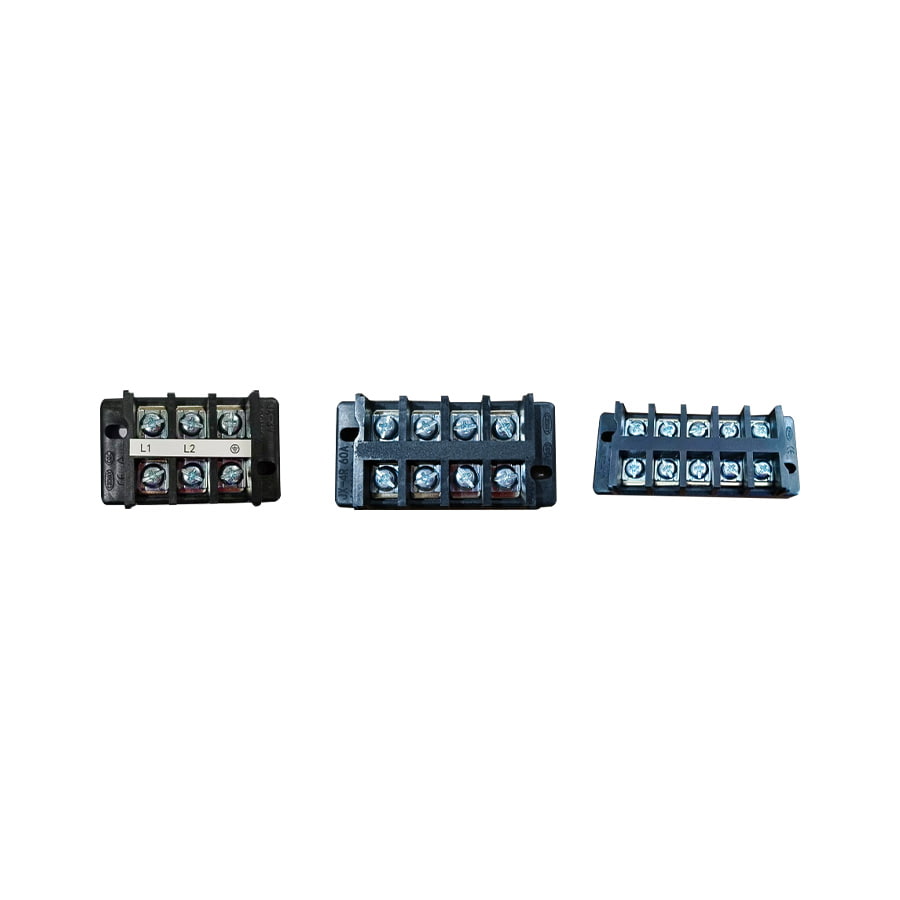
The JX-3V/JX-4R/JX-5B series terminal blocks are high-performance products tailored for industrial e...
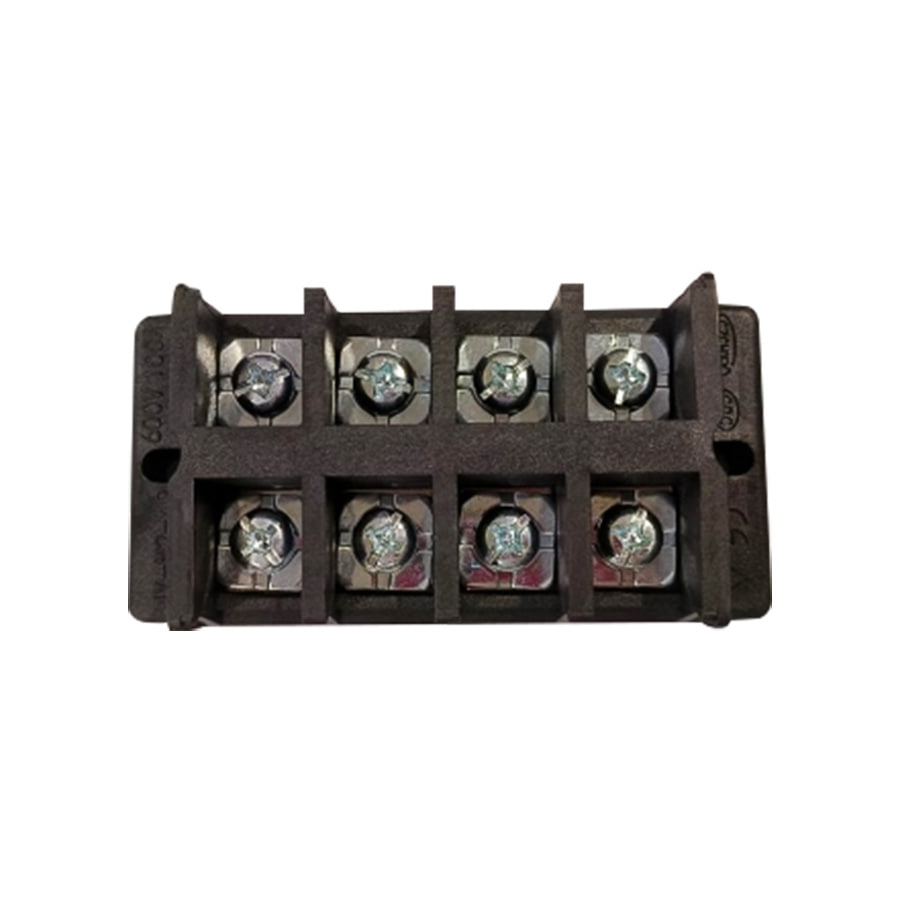
The JX-N2-4P double-row screw terminal block withstands voltages up to 600V and supports conductors ...
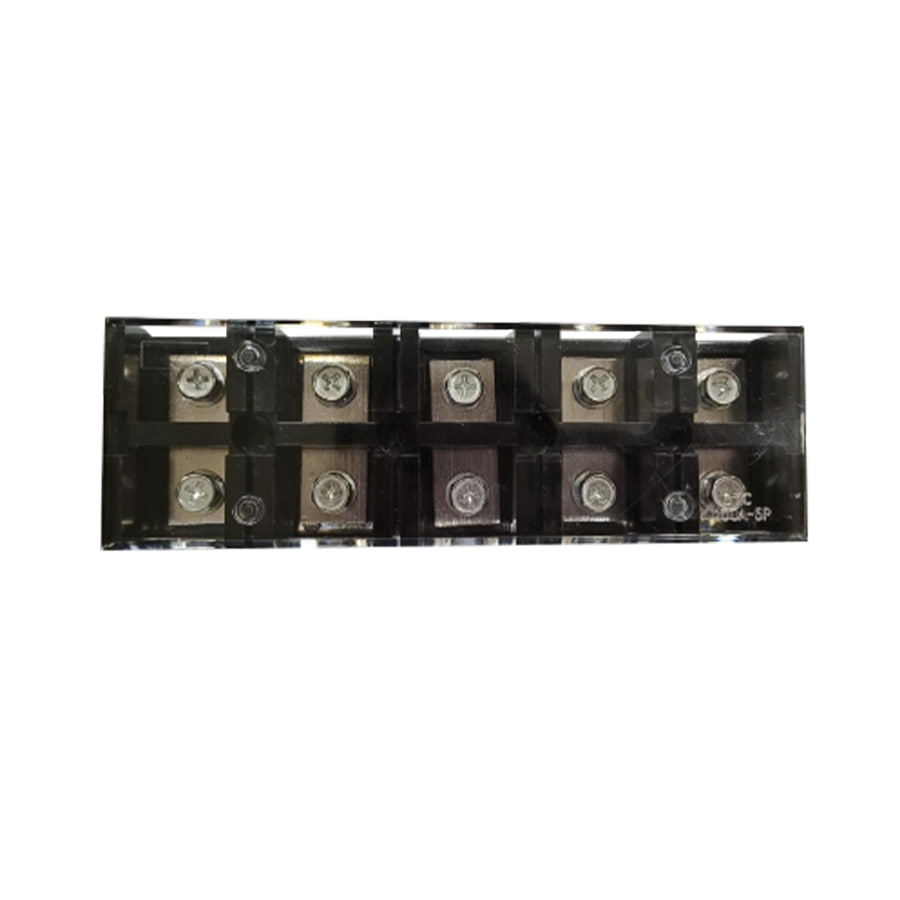
This 100A-5P 600V screw-type terminal block is designed for harsh industrial environments. Its 600V ...
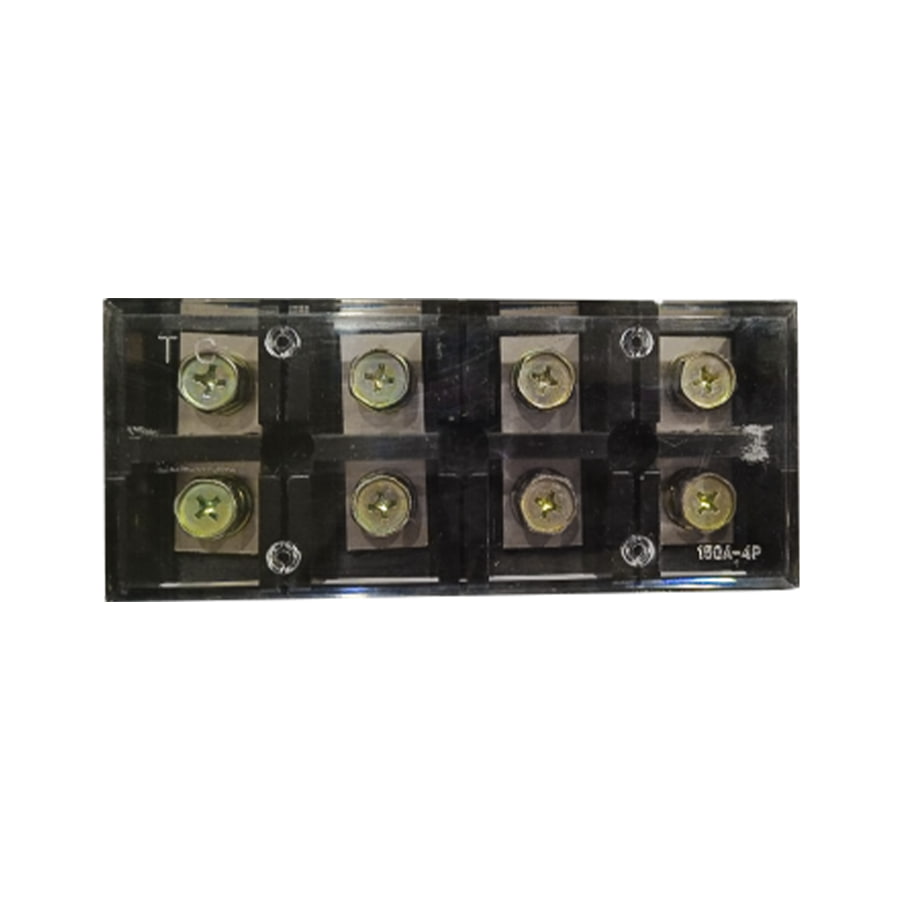
This terminal block features a 4P (4-pole) isolation design, allowing you to connect different circu...
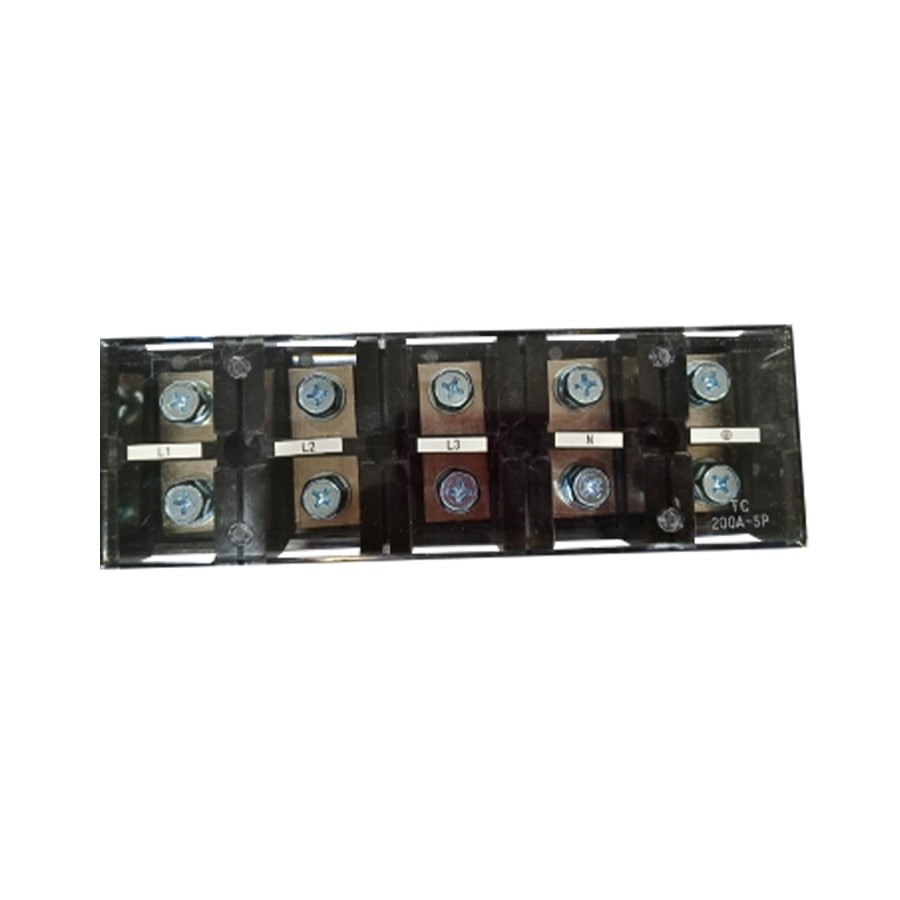
This 200A-5P terminal block boasts a rated voltage of up to 600V and a rated current of 200A, capabl...
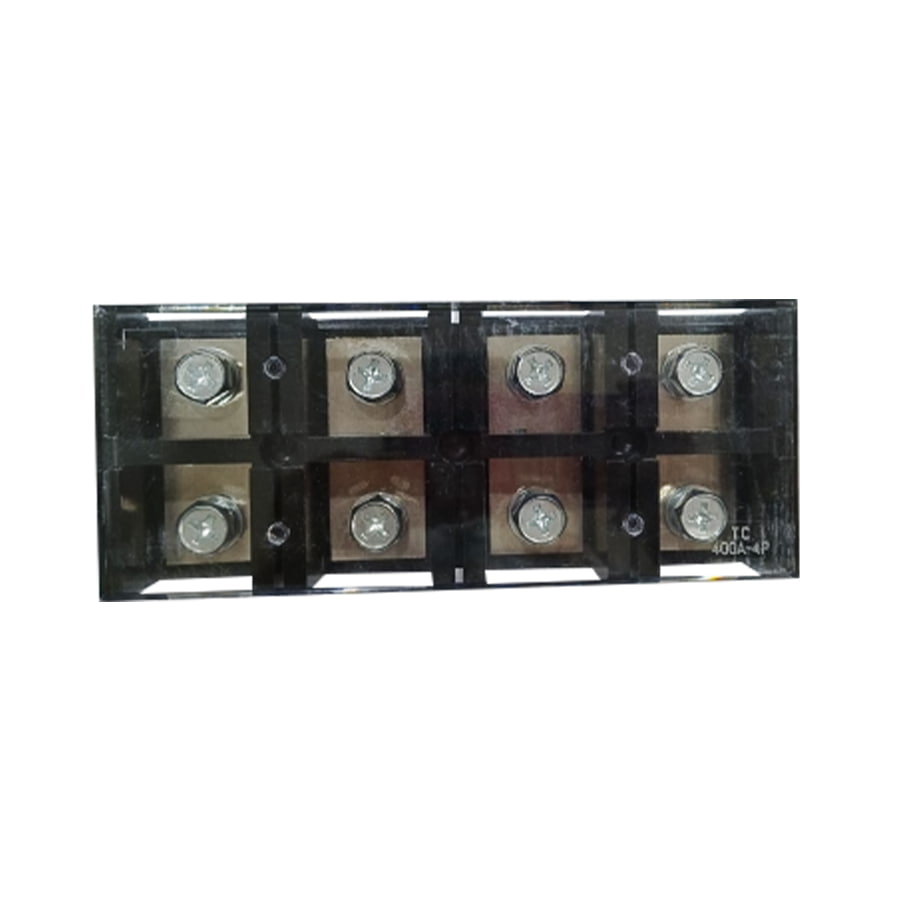
The core advantages of this 400A-4P 600V 400A DIN-rail terminal block lie in its high reliability, s...
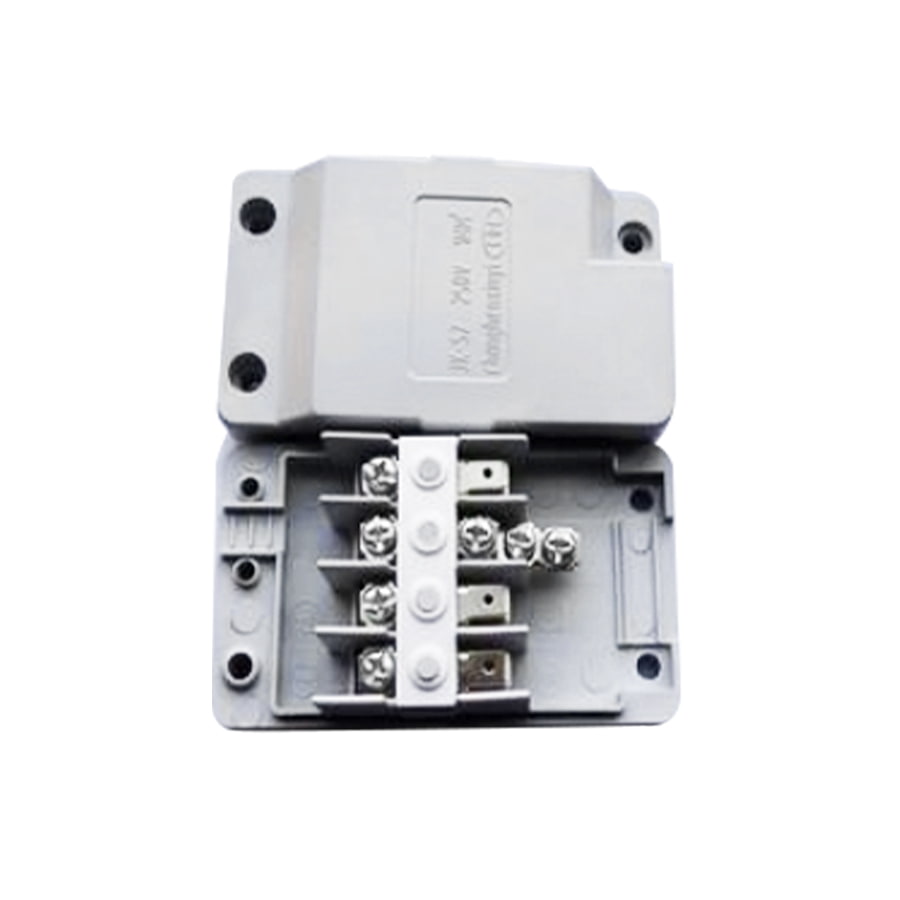
The JX-SZ/JX-N 250V 1mm² Grey Four-position Junction Box is a safe and efficient solution designed f...
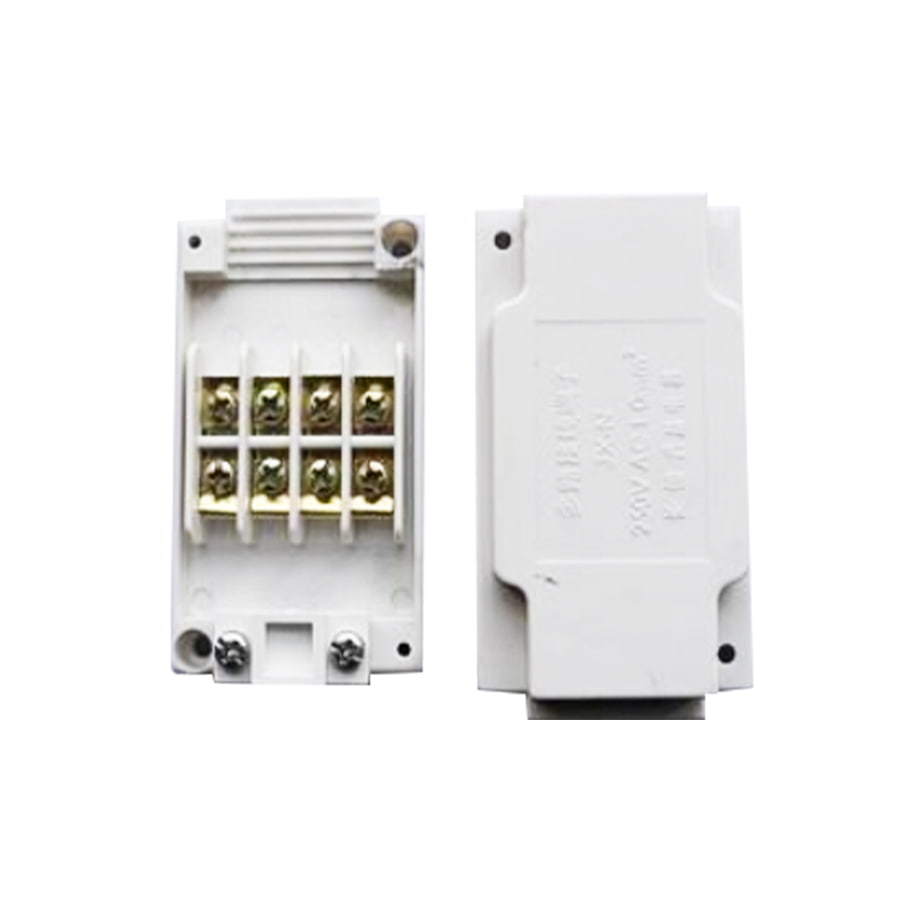
The JX-N 250V 1mm² white four-way junction box is a core accessory designed specifically for low-vol...
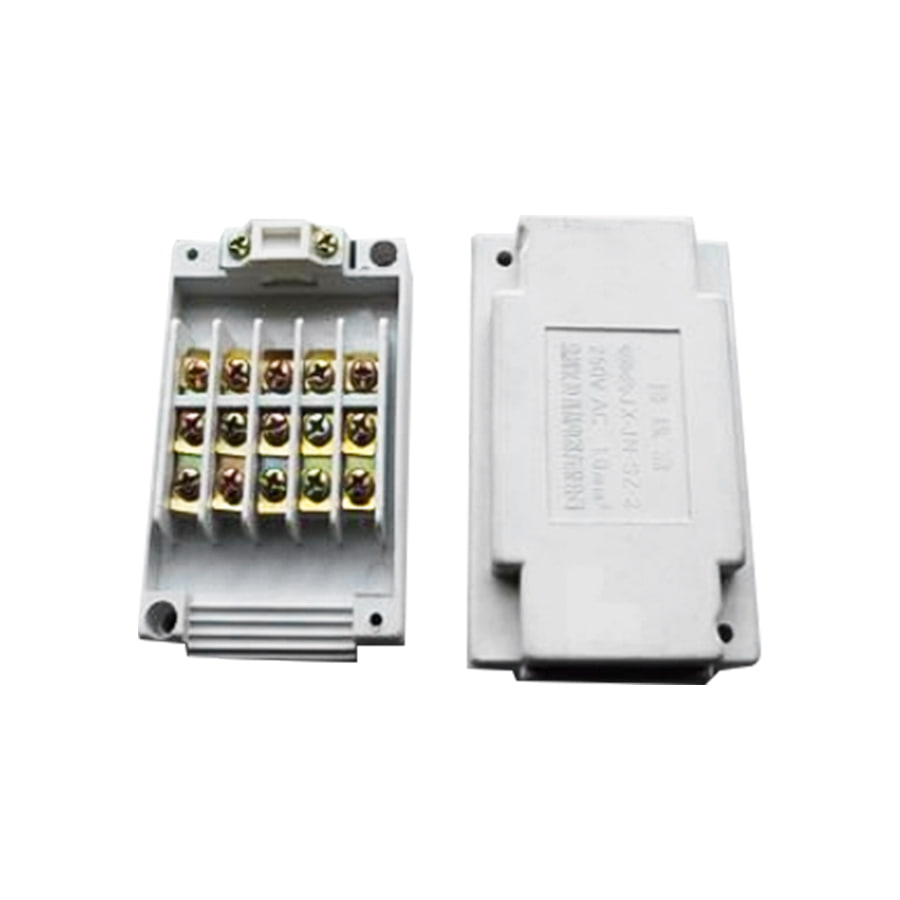
The key highlights of this junction box are its five-position design and compatibility with 1mm² wir...
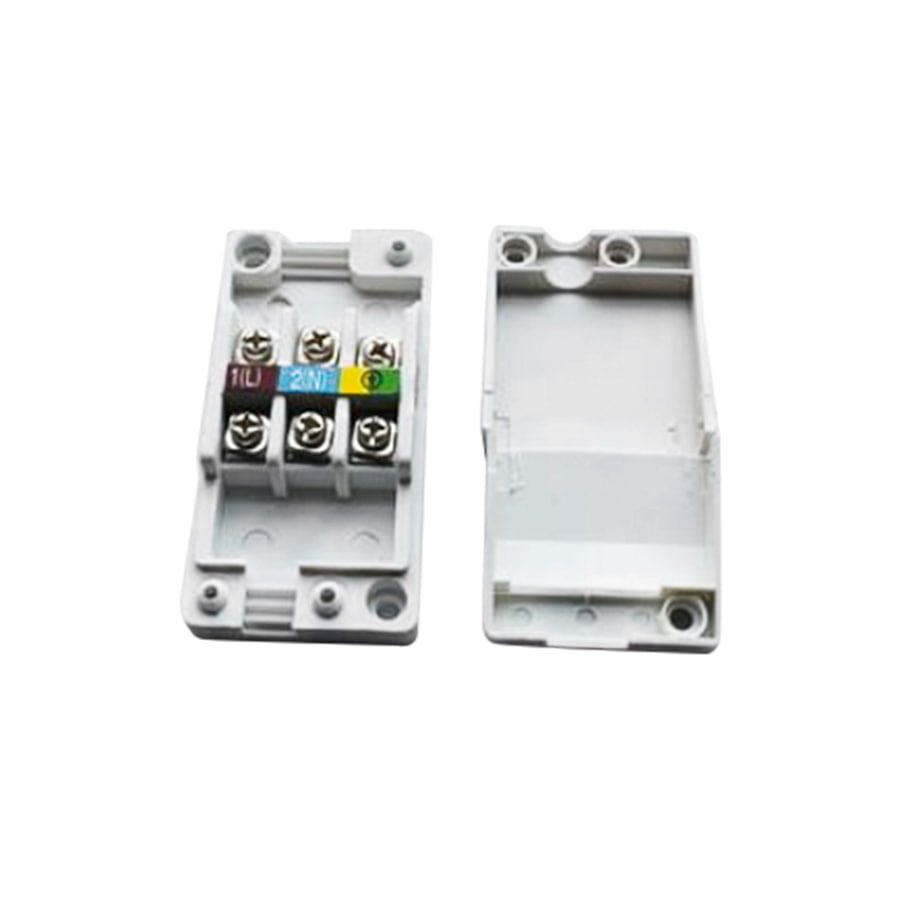
The JXG-3PB's housing is constructed of high-quality flame-retardant insulation, effectively elimina...
Connecting terminals are electronic components used to achieve reliable connections between wires or cables in a circuit. While they come in a wide variety of styles, their core function is to create a secure and removable electrical pathway without permanent soldering. These connectors typically consist of a conductor, an insulator, and a mechanical structure to secure the wires. Their advantage lies in providing a safe and efficient method for wiring, making circuit installation, maintenance, and troubleshooting easier. For example, in control panels, household appliances, or automotive wiring harnesses, connecting terminals ensure unimpeded transmission of electrical signals and power between different components, while allowing for easy replacement or reconfiguration of wiring when necessary.


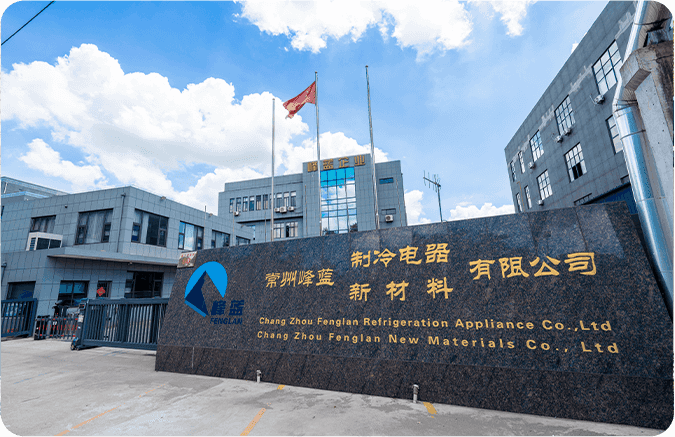


Modern Factory
Large-Scale Equipment
Self-Developed Milling Machines
Inspection Equipment

What Is a Low Temperature Thermostat and How Does It Work? A low temperature thermostat is a control device designed to monitor and regulate temperatures in environments that operate well below standard room temperature, typically ranging from just above freezing down to deep-freeze conditions. Unlike a standard househ...
READ MOREThe high temperature thermostat stands as a critical yet often underappreciated component in systems ranging from automotive powertrains to industrial processing plants, aerospace thermal management, and advanced energy generation. Unlike ordinary thermostats that operate within mild ambient ranges, high temperature va...
READ MOREWhat Precision Electrical Connector Terminals Actually Do Precision electrical connector terminals are the small metal components inside a connector that create the actual electrical contact point between a wire and a mating connector, circuit board, or component. While connector housings get most of the visual attenti...
READ MOREChallenges in Manufacturing Precision Electrical Connector Terminals
Manufacturing precision electrical connector terminals is a highly specialized process that requires meticulous attention to detail at every stage. As technology continues to evolve, so do the expectations and demands placed on these small but crucial components. Here are the key challenges manufacturers face when producing high-precision electrical connector terminals:
1.1 Material Selection and Compatibility
Choosing the right materials for connector terminals is essential to ensure durability, electrical conductivity, and resistance to environmental factors. Common materials include copper, brass, aluminum, and various alloys, each with distinct properties. Precision connectors often require high-purity materials to minimize resistance and ensure long-lasting performance.
However, material selection can be challenging, especially when designing for high-heat, high-stress environments like those in aerospace or automotive applications. In these cases, the material must not only perform well under electrical load but also resist corrosion and wear over time. Balancing these demands while keeping production costs down is an ongoing challenge.
1.2 Maintaining Precision and Tolerances
The defining characteristic of precision electrical connectors is their exacting tolerance requirements. Even the smallest deviation in size or shape can lead to poor performance, signal degradation, or complete failure. Precision terminals typically need tolerances of 0.01 mm or finer, which demands sophisticated machining, tooling, and manufacturing processes.
Achieving such accuracy requires advanced techniques such as laser cutting, stamping, or CNC machining. Furthermore, the precision must be maintained across large production runs, making it essential to have high-quality control systems in place.
1.3 High-Speed and High-Volume Production
To meet market demand, manufacturers are often required to produce precision electrical connector terminals at high speeds and in large quantities. Balancing high-speed production with the need for stringent quality control is no small task. Automation and robotic systems play a key role in maintaining speed while ensuring the necessary precision.
However, even with automated processes, the risk of defects increases with production scale. Manufacturers must continuously monitor production lines, using techniques like automated inspection and testing to ensure quality standards are consistently met.
1.4 Surface Treatment and Coating Challenges
For precision electrical connectors to perform reliably over time, their surfaces must be treated or coated to prevent oxidation and improve conductivity. Common surface treatments include gold, silver, nickel, or tin plating, each providing a different set of advantages depending on the specific application.
However, achieving uniformity in these coatings can be tricky. Uneven coatings or poor adhesion can significantly affect the electrical performance and lifespan of the connector terminals. Additionally, the need for eco-friendly and cost-effective coating processes continues to drive innovation in this area, adding complexity to the manufacturing process.
Innovations in Electrical Connection Parts: Trends and Future Directions
The field of electrical connection parts is evolving rapidly as industries demand more compact, efficient, and reliable solutions to meet the needs of modern technology. From the automotive sector to telecommunications and consumer electronics, the innovations in electrical connectors are making their way into diverse applications, improving performance, and driving new trends. Here are some key trends and future directions in the development of electrical connection parts:
2.1 Miniaturization and Higher Performance
As electronics continue to become smaller and more powerful, the demand for miniaturized electrical connection parts is growing. These components must not only occupy less space but also offer improved electrical performance. This trend is particularly prominent in consumer electronics, where devices such as smartphones, wearables, and IoT devices require smaller yet highly efficient connectors.
Manufacturers are increasingly focusing on designing connectors that combine compact form factors with higher data transmission speeds and power handling capabilities. Innovations such as fine-pitch connectors, which reduce the size of individual pins while maintaining reliable connections, are helping to address these challenges.
2.2 Increased Durability and Reliability
As industries like automotive, aerospace, and industrial machinery require connectors that can withstand extreme conditions, there is a growing demand for electrical connection parts that offer enhanced durability and reliability. This includes connectors that are resistant to high temperatures, moisture, corrosion, and vibrations.
Materials science plays a major role in these innovations, with new alloys and composite materials offering better resistance to wear and environmental stress. Additionally, new coating techniques, such as advanced nano-coatings, are improving the reliability and longevity of connectors, even in harsh environments.

Fenglan is Electrical Connection Parts Manufacturers, Connecting Terminal Wholesale. Your Reliable Partner in Parts and Components Manufacturing since 2010
 Tel: +86-13861233850
  E-mail: [email protected]
  Add: No.60, East Zhuanghe Road, Chunjiang Town, Wei Village, Xinbei District, Changzhou City, China

