

 English
 中文简体
中文简体 عربى
عربى Español
 +86-13861233850
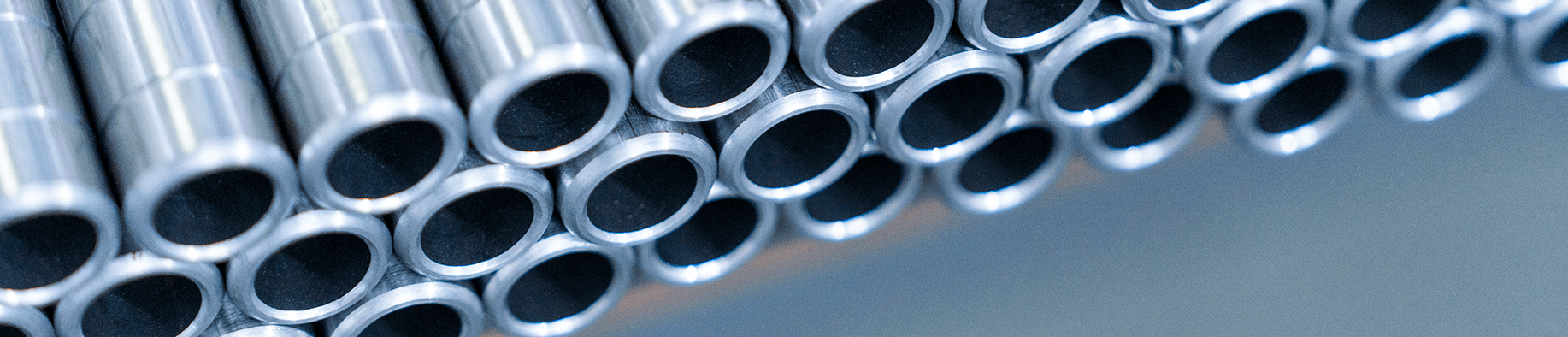
This automotive gas spring is designed to enhance your driving experience and user convenience. Its ...
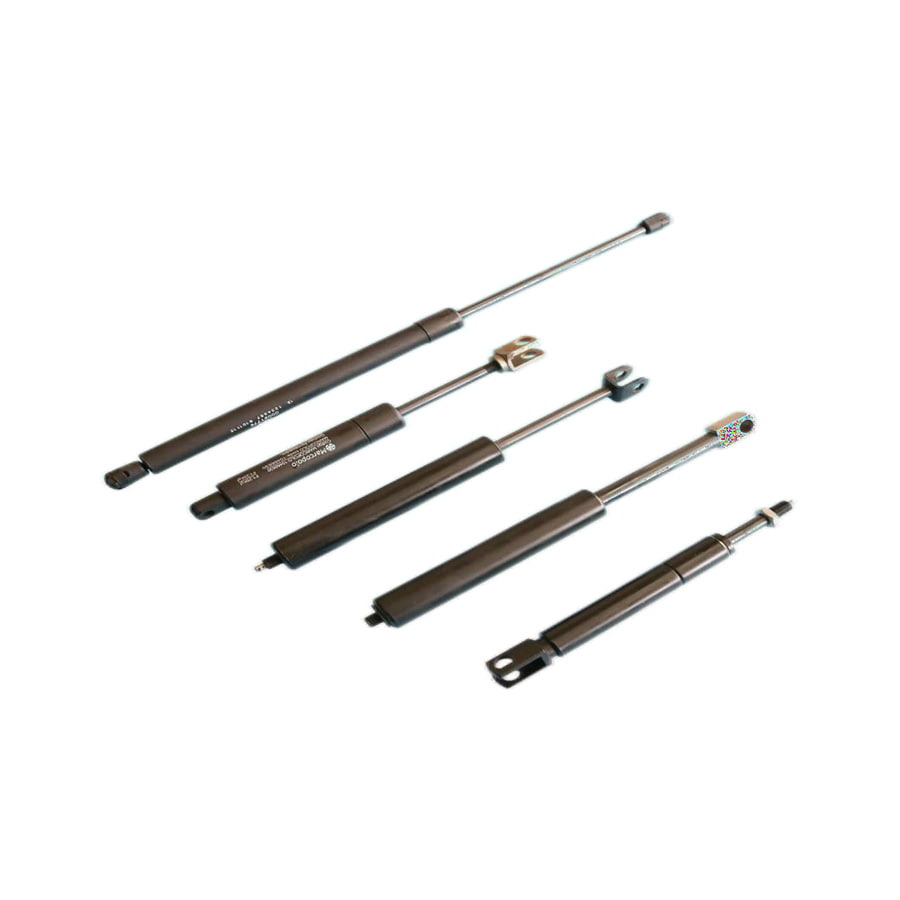
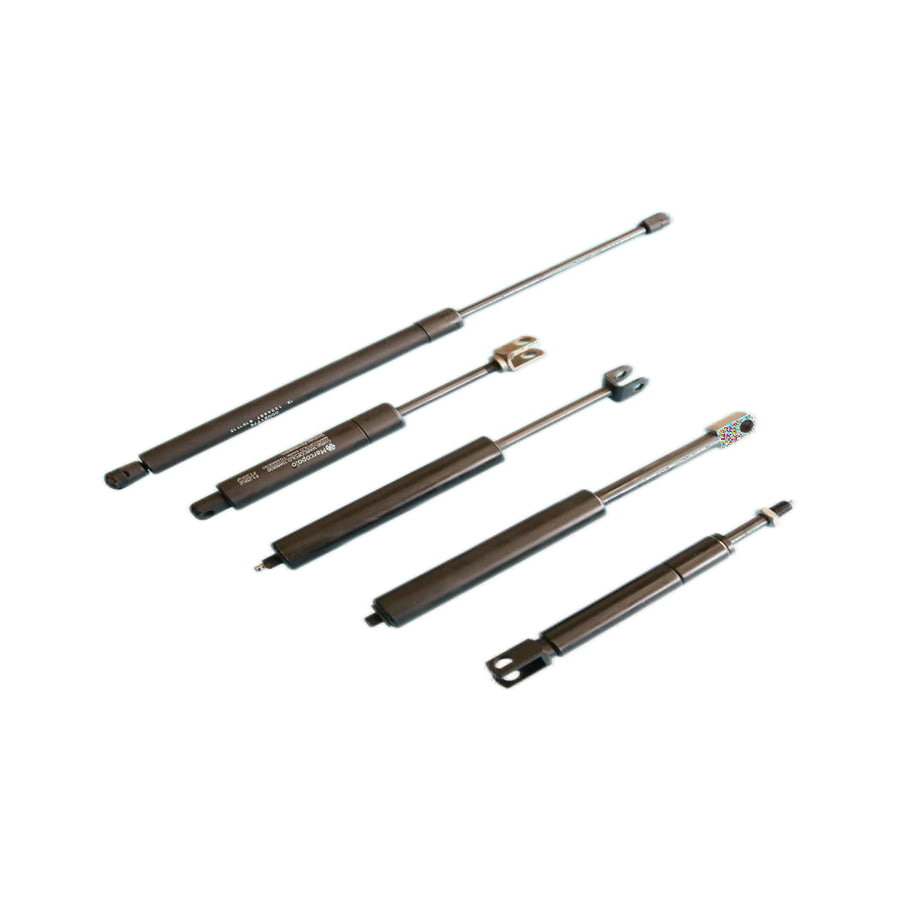
Our furniture gas springs are an ideal solution for modern furniture design, offering a seamless and...
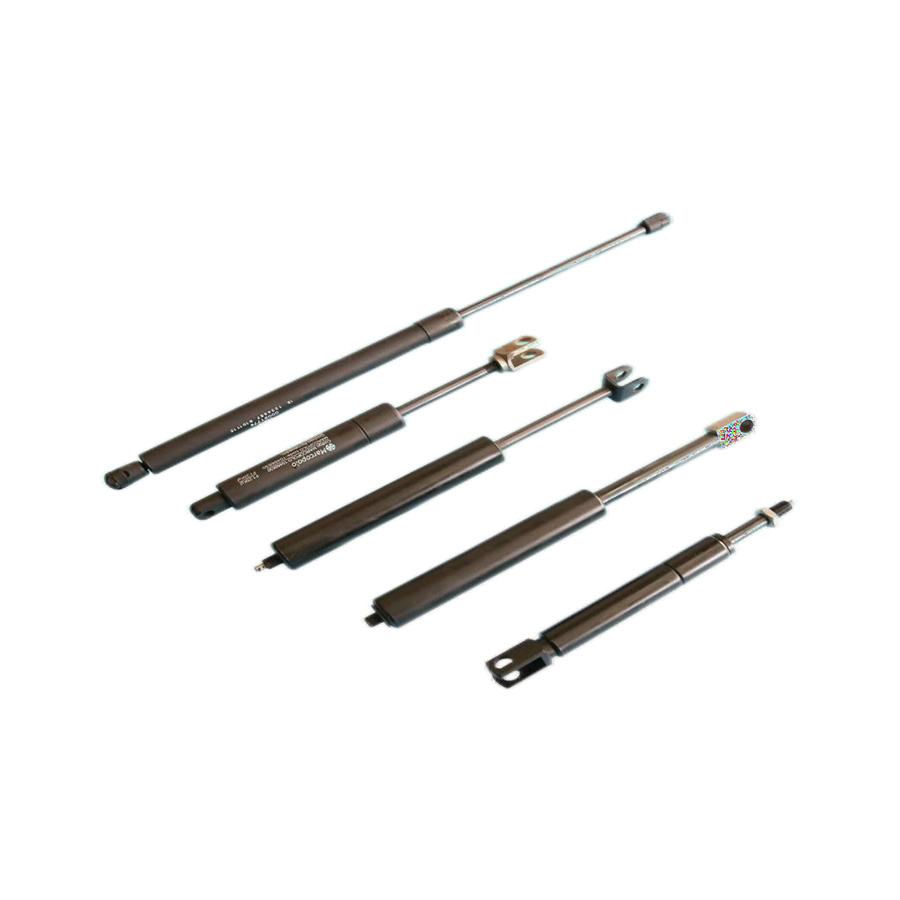
Our gas springs are designed for automotive, aircraft, and high-speed rail seats, delivering excepti...
Gas springs are versatile mechanical components widely used in modern industry and everyday life. They utilize high-pressure inert gas (usually nitrogen) as a medium, generating a controllable supporting force through the reciprocating motion of a piston rod within a sealed cylinder. Unlike traditional coil springs, gas springs provide a smooth, predictable, and nearly constant thrust, enabling the smooth lifting, opening, and closing of heavy objects. This characteristic makes them ideal for a variety of applications requiring precise motion control, from the effortless opening of car hoods and trunks and bus trunks to the gentle lowering of cabinet doors and furniture flaps.


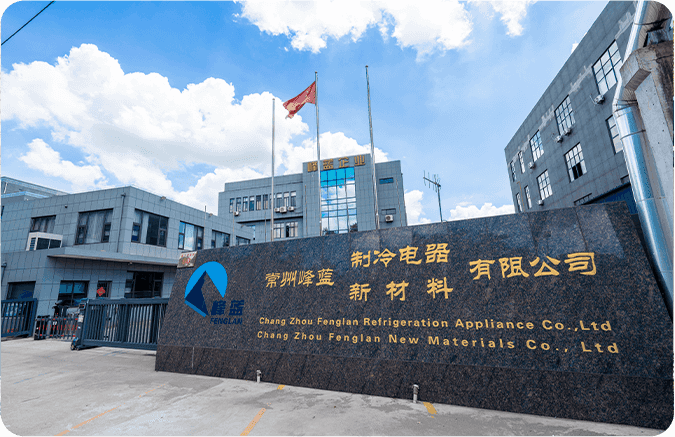


Modern Factory
Large-Scale Equipment
Self-Developed Milling Machines
Inspection Equipment
What Is a Low Temperature Thermostat and How Does It Work? A low temperature thermostat is a control device designed to monitor and regulate temperatures in environments that operate well below standard room temperature, typically ranging from just above freezing down to deep-freeze conditions. Unlike a standard househ...
READ MOREThe high temperature thermostat stands as a critical yet often underappreciated component in systems ranging from automotive powertrains to industrial processing plants, aerospace thermal management, and advanced energy generation. Unlike ordinary thermostats that operate within mild ambient ranges, high temperature va...
READ MOREWhat Precision Electrical Connector Terminals Actually Do Precision electrical connector terminals are the small metal components inside a connector that create the actual electrical contact point between a wire and a mating connector, circuit board, or component. While connector housings get most of the visual attenti...
READ MOREAdjustable Gas Springs,Heavy-Duty Gas Spring, High-quality Gas Springs
Heavy-Duty Gas Spring improves the safety and stability of equipment operation
In the demanding environments of industrial machinery, automotive systems, and heavy electrical equipment, safety and stability are non-negotiable. One often underappreciated yet critically important component that ensures both is the heavy-duty gas spring. Designed to absorb shock, control motion, and support heavy loads with smooth, consistent force, gas springs play a pivotal role in enhancing operational safety, reducing mechanical stress, and prolonging equipment life. When engineered to exacting standards, they become indispensable in applications ranging from truck hoods and industrial access panels to robotic arms and medical imaging equipment.
Changzhou Fenglan New Materials Co., Ltd., founded in 2010, has emerged as a trusted manufacturer of precision-engineered heavy-duty gas springs for automotive, industrial, and electrical applications. Combining advanced materials science, precision manufacturing, and customer-focused R&D, Fenglan delivers gas springs that meet the rigorous demands of modern machinery. The company’s mission—to provide reliable performance and long-term value—is embodied in every component it produces, ensuring that safety and stability are never compromised.
The Engineering Behind Heavy-Duty Gas Springs
A gas spring, at its core, is a hydro-pneumatic device that uses compressed nitrogen gas within a sealed cylinder to generate a controlled force. Unlike mechanical springs, gas springs offer near-linear force curves, minimal hysteresis, and consistent performance over millions of cycles. Heavy-duty variants are specifically engineered to handle extreme loads (often exceeding 1,000 Newtons), harsh environmental conditions, and continuous operation without degradation.
The key elements of a Adjustable Gas Springs include:
High-Strength Cylinder and Piston Rod: Typically made from hardened steel or corrosion-resistant alloys, these components must withstand immense internal pressures and external mechanical stress.
Precision Seals and Bushings: To prevent gas leakage and ensure smooth, friction-controlled movement over the spring’s lifespan.
Damping Mechanisms: Integrated valves or oil chambers that regulate extension/compression speed, preventing sudden movements that could endanger operators or damage equipment.
Customizable Force and Stroke: Tailored to specific applications for optimal counterbalance, lift assistance, or motion control.
When these elements are manufactured with micron-level precision and assembled under strict quality controls, the result is a gas spring that not only performs reliably but actively enhances the safety and stability of the entire system.
Enhancing Safety Through Controlled Motion
One of the most significant contributions of heavy-duty gas springs is their ability to eliminate uncontrolled motion. Consider a large access panel on a CNC machining center: without a gas spring, the panel might slam shut under its own weight, posing a crushing hazard to operators. A properly sized gas spring ensures slow, controlled closure—protecting both personnel and equipment.
In automotive applications, such as truck engine hoods or tailgates, gas springs prevent sudden drops during maintenance or loading. Fenglan’s springs are designed with fail-safe damping, meaning even if internal pressure fluctuates, the motion remains smooth and predictable.
In medical and laboratory equipment—where precision and safety are paramount—gas springs allow heavy shielding doors or imaging booms to be effortlessly positioned and locked in place, reducing operator fatigue and minimizing the risk of accidental movement during critical procedures.
Improving Stability and Equipment Longevity
Beyond safety, Adjustable Gas Springss significantly improve mechanical stability. By counterbalancing heavy components, they reduce the load on hinges, motors, and actuators, which in turn minimizes wear and tear. This leads to fewer breakdowns, lower maintenance costs, and extended service life for the entire machine.
For example, in automated production lines, robotic arms equipped with Fenglan gas springs experience less vibration during positioning, resulting in higher repeatability and part quality. In electrical switchgear cabinets, gas springs ensure doors close flush and remain sealed against dust and moisture—critical for maintaining insulation integrity and preventing arc flash incidents.
Fenglan’s engineering team also designs springs with environmental resilience in mind. Whether exposed to extreme temperatures, salt spray, chemical vapors, or high humidity, Fenglan gas springs maintain performance thanks to advanced surface treatments such as electroless nickel plating, zinc flake coatings, and proprietary polymer seals.
Changzhou Fenglan New Materials Co., Ltd.: Precision, Innovation, Reliability
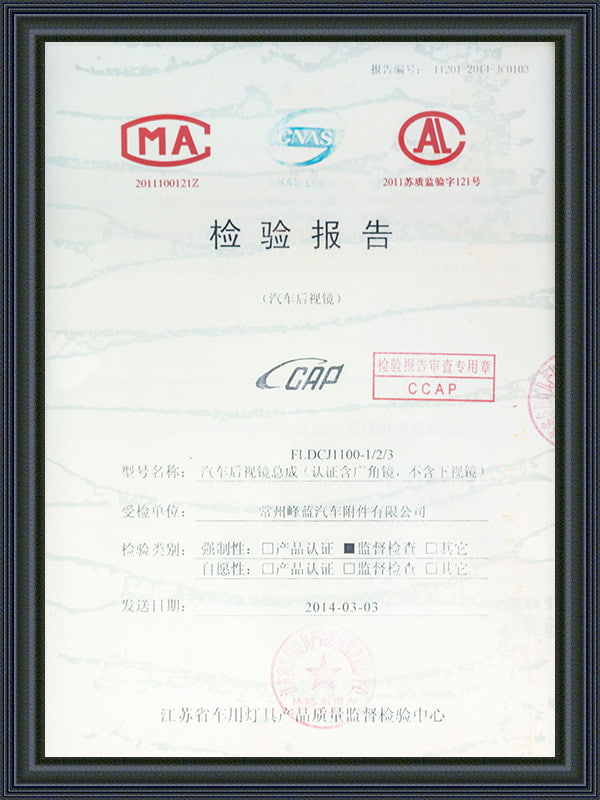
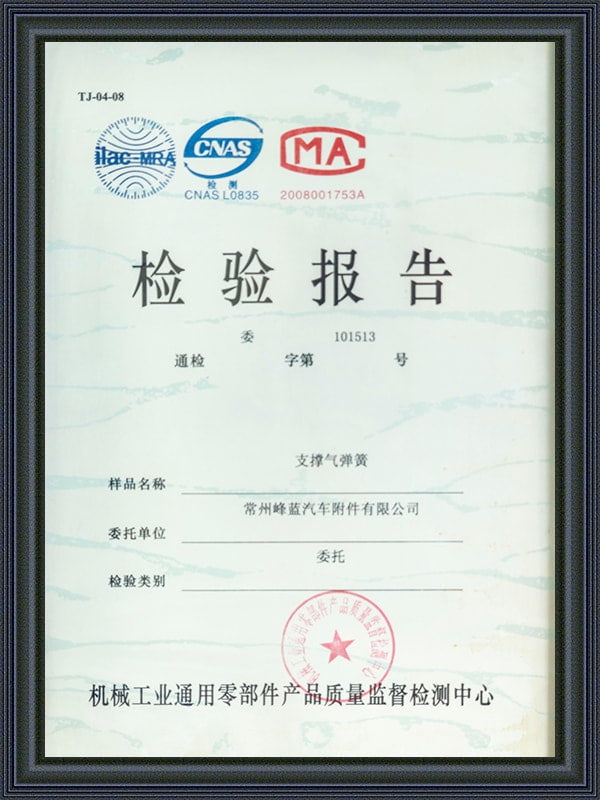
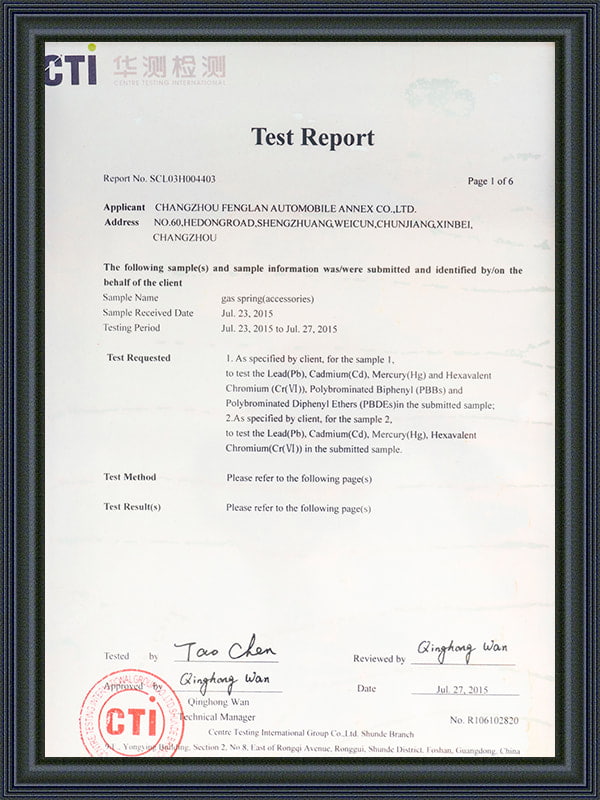
Since its founding in 2010, Changzhou Fenglan New Materials Co., Ltd. has built a reputation for excellence in the design and manufacture of precision mechanical components. The company’s High-quality Gas Springs are no exception. Every stage of production—from material selection and CNC machining to assembly and 100% functional testing—is governed by a quality-first philosophy.
Fenglan’s manufacturing capabilities include:
In-house metallurgy and heat treatment to optimize material hardness and fatigue resistance.
CNC precision grinding of piston rods to ensure surface finishes below Ra 0.4µm—critical for seal longevity.
Clean-room assembly environments to prevent contamination during sealing and gas charging.
Automated force testing and cycle validation to guarantee performance over 50,000 to 200,000+ operational cycles.
The company’s R&D department works closely with clients to develop custom solutions. Whether it’s modifying the force curve for a specific motion profile, integrating mounting brackets for space-constrained installations, or developing corrosion-resistant variants for offshore applications, Fenglan engineers treat each project as a partnership.

Fenglan is Heavy-Duty Gas Spring Manufacturer, Custom High-quality Gas Springs. Your Reliable Partner in Parts and Components Manufacturing since 2010
 Tel: +86-13861233850
  E-mail: [email protected]
  Add: No.60, East Zhuanghe Road, Chunjiang Town, Wei Village, Xinbei District, Changzhou City, China

