

 English
 中文简体
中文简体 عربى
عربى Español
 +86-13861233850
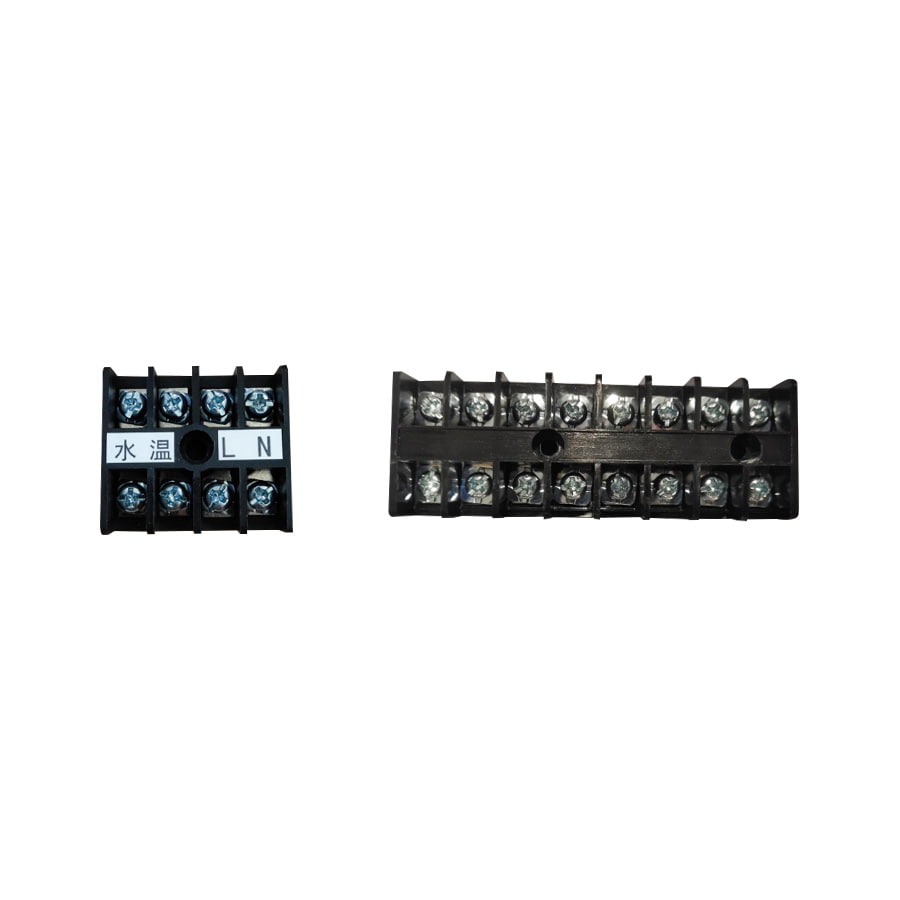
The JXW-4PD/JX-W-8PA series double-row terminal blocks are high-performance connectors designed for ...
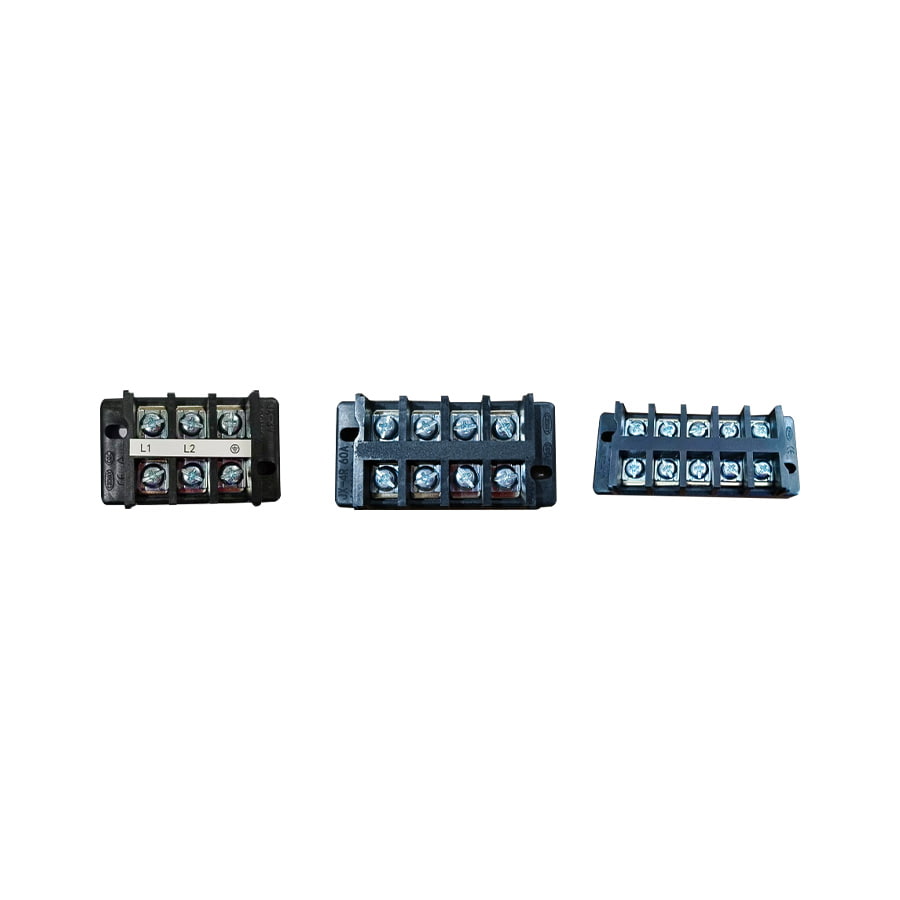
The JX-3V/JX-4R/JX-5B series terminal blocks are high-performance products tailored for industrial e...
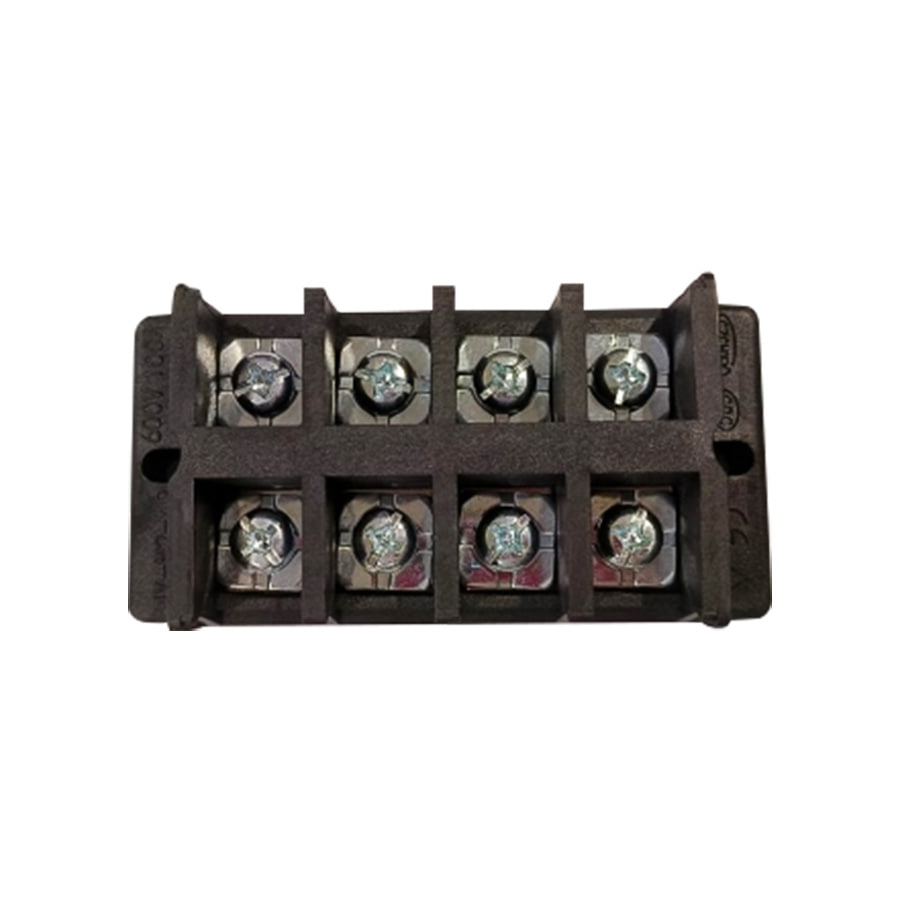
The JX-N2-4P double-row screw terminal block withstands voltages up to 600V and supports conductors ...
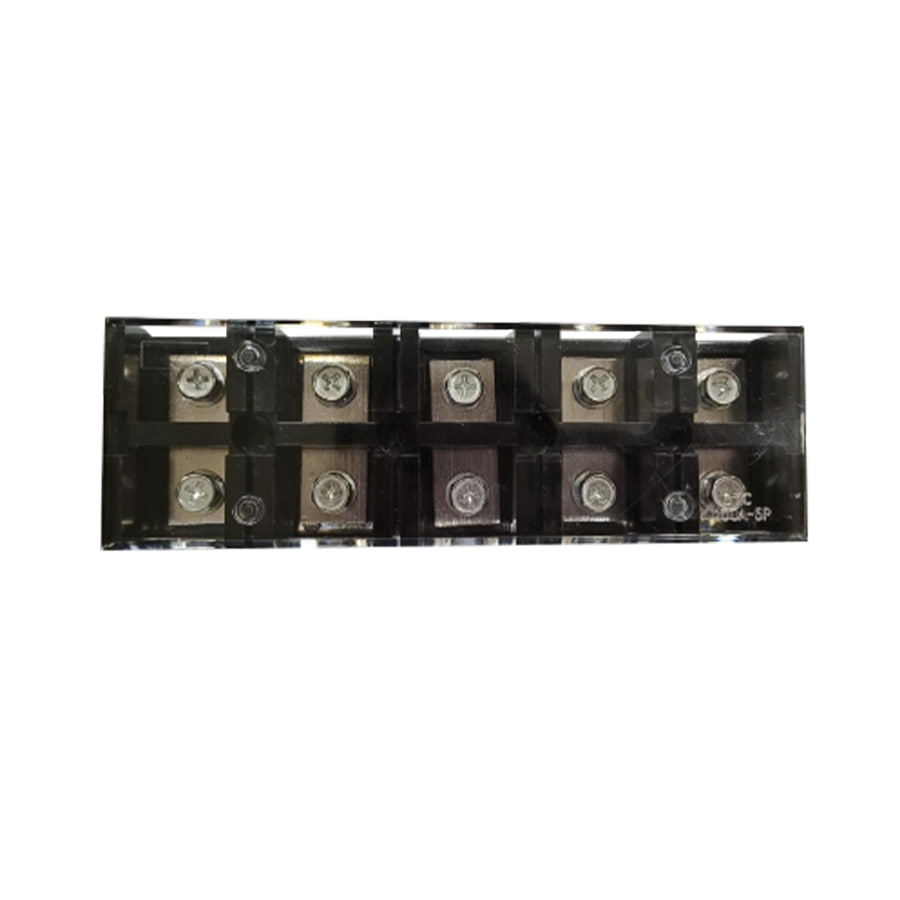
This 100A-5P 600V screw-type terminal block is designed for harsh industrial environments. Its 600V ...
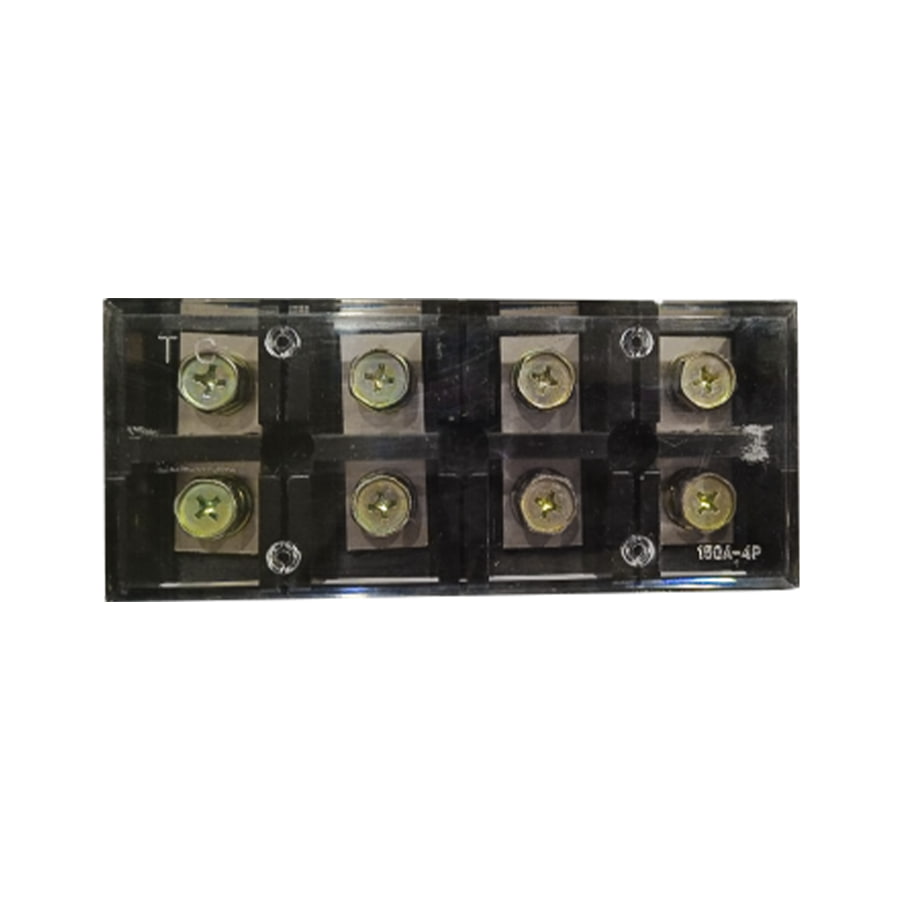
This terminal block features a 4P (4-pole) isolation design, allowing you to connect different circu...
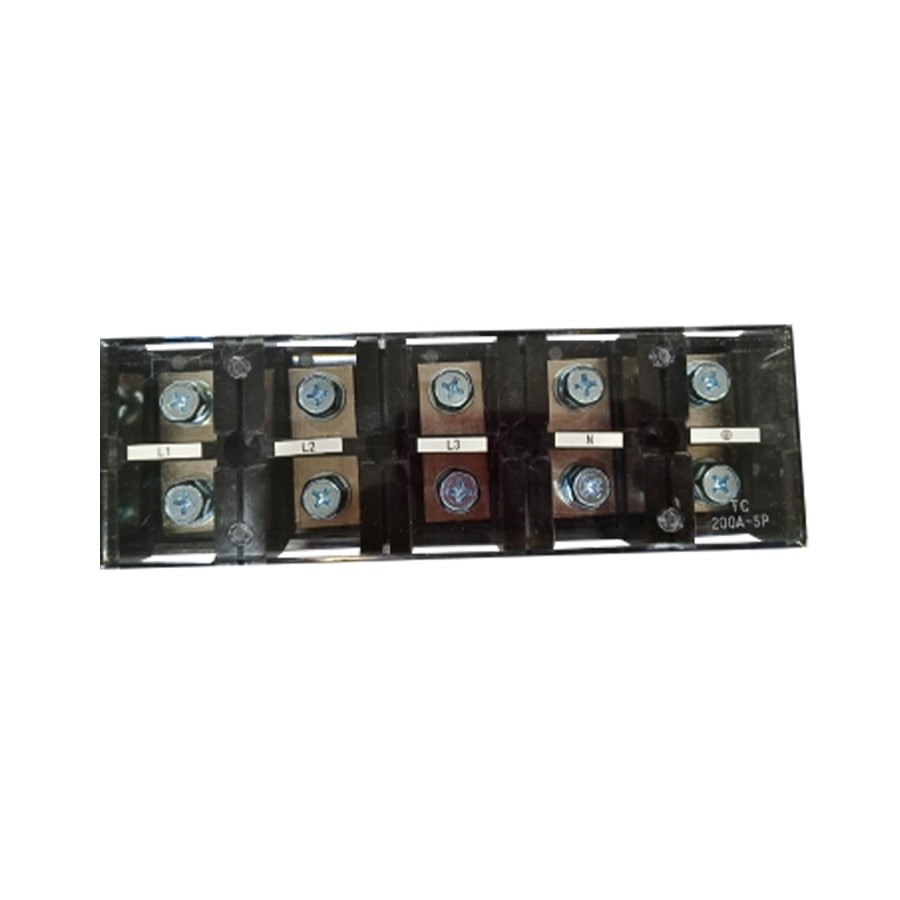
This 200A-5P terminal block boasts a rated voltage of up to 600V and a rated current of 200A, capabl...
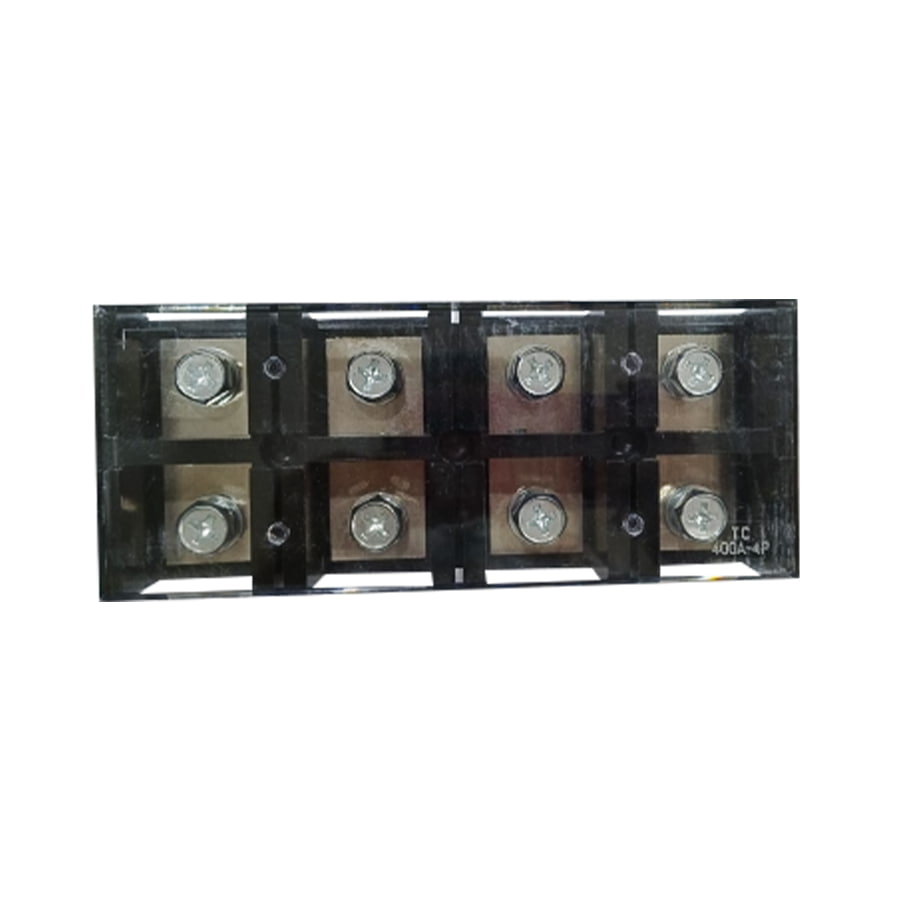
The core advantages of this 400A-4P 600V 400A DIN-rail terminal block lie in its high reliability, s...
Terminal blocks, also known as terminal strips, are essential components in electrical wiring, ensuring safe and reliable connections between wires and devices. Their primary function is to gather and distribute multiple wires in an orderly manner, making complex circuit wiring clear and tidy. Terminal blocks come in various types, including screw-type, spring-loaded, and plug-in, depending on the design and application. Screw-type terminals compress the wires by tightening the screws, providing a secure and reliable connection. Spring-loaded terminals use a spring to clamp the wires, making them quick to operate and particularly suitable for applications requiring frequent wiring. Plug-in terminals, consisting of a plug and a socket, facilitate quick insertion and removal during commissioning or maintenance, significantly improving work efficiency.


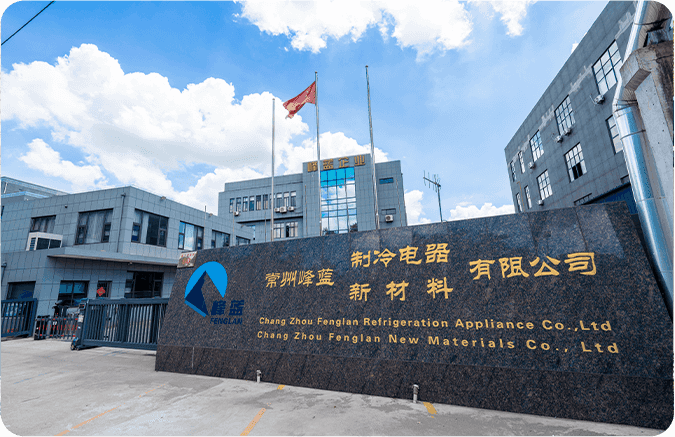
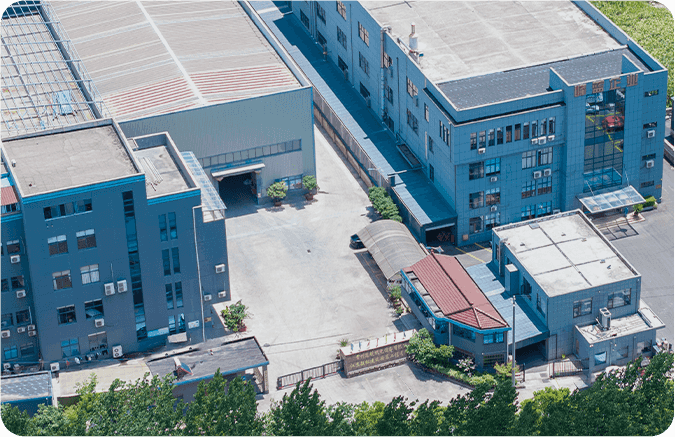

Modern Factory
Large-Scale Equipment
Self-Developed Milling Machines
Inspection Equipment

What Is a Low Temperature Thermostat and How Does It Work? A low temperature thermostat is a control device designed to monitor and regulate temperatures in environments that operate well below standard room temperature, typically ranging from just above freezing down to deep-freeze conditions. Unlike a standard househ...
READ MOREThe high temperature thermostat stands as a critical yet often underappreciated component in systems ranging from automotive powertrains to industrial processing plants, aerospace thermal management, and advanced energy generation. Unlike ordinary thermostats that operate within mild ambient ranges, high temperature va...
READ MOREWhat Precision Electrical Connector Terminals Actually Do Precision electrical connector terminals are the small metal components inside a connector that create the actual electrical contact point between a wire and a mating connector, circuit board, or component. While connector housings get most of the visual attenti...
READ MOREThe Role of Terminal Blocks in Streamlining Electrical Connections
Efficient and secure electrical connections are fundamental to the reliability of modern electrical systems, and terminal blocks are central to making that happen. These compact yet highly functional components are designed to manage and organize multiple electrical wires, ensuring that connections remain safe and easy to maintain. Whether in industrial machinery, automotive systems, or even in power distribution, terminal blocks serve as the backbone of reliable electrical networks. In this article, we'll delve into how terminal blocks streamline wiring processes, their various types, and the role companies like Changzhou Fenglan New Materials Co., Ltd. play in advancing these essential components.
The Basics of Terminal Blocks
At their core, terminal blocks are designed to bring order to the often chaotic world of electrical wiring. They provide a convenient, safe, and efficient means of connecting multiple wires to devices or other electrical components. By securely holding wires in place, terminal blocks ensure that connections are stable and easy to manage. Whether in automotive systems, industrial equipment, or electrical panels, they simplify wiring tasks and reduce the likelihood of errors during installation and maintenance.
Changzhou Fenglan New Materials Co., Ltd., established in 2010, has built its reputation by producing precision parts for automotive, industrial, and electrical applications. Their high-quality terminal blocks have been specifically engineered to meet the needs of diverse industries, ensuring reliability and safety for every electrical connection.
Types of Terminal Blocks
Terminal blocks come in a variety of designs, each suited for different types of wiring applications. The three most common types of terminal blocks are screw-type, spring-loaded, and plug-in. Each of these has unique features that make them ideal for specific purposes.
Screw-type terminal blocks use screws to secure wires by compressing them against a conductive material. This design provides a reliable and secure connection, making it a common choice for industrial applications where durability is critical. The screw-type terminal block ensures that connections are tight and resistant to loosening due to vibrations or other mechanical stresses.
Spring-loaded terminal blocks use a spring mechanism to clamp wires into place. This design makes them ideal for applications requiring frequent maintenance or wiring changes. The ability to quickly connect and disconnect wires without the need for tools enhances efficiency during installation or servicing. These terminal blocks are commonly used in systems where work efficiency is a priority.
Plug-in terminal blocks offer quick and easy connections through a plug-and-socket mechanism. This design allows for rapid insertion and removal of wires, which is particularly useful during commissioning, troubleshooting, or replacing components. Their ease of use makes them a popular choice for electrical systems that require frequent updates or modifications.
Changzhou Fenglan's terminal blocks are engineered with precision to ensure that each type meets the highest standards for performance and durability. Their manufacturing expertise allows them to offer small-batch OEM solutions that cater to the specific needs of their clients, providing both custom and standard terminal block options.
Why Terminal Blocks Are Essential in Electrical Systems
The role of terminal blocks goes beyond simply providing connections. They contribute significantly to organizing wiring in electrical systems. Without terminal blocks, wiring would often be left loose or unprotected, leading to the risk of shorts, fires, or other electrical failures. Terminal blocks ensure that wires are properly secured and insulated, minimizing the chances of electrical hazards.
Furthermore, terminal blocks make maintenance and troubleshooting much easier. Instead of sifting through tangled wires, technicians can identify and isolate problematic connections quickly. The modular design of terminal blocks enables technicians to replace individual components or rewire sections of a system without having to disassemble large parts of the system.
For companies like Changzhou Fenglan New Materials Co., Ltd., producing terminal blocks is a step toward enhancing safety and efficiency in the industries they serve. With their advanced manufacturing and research and development capabilities, they offer a range of high-quality terminal blocks that ensure their clients can maintain organized, safe, and reliable electrical systems.
Applications of Terminal Blocks in Different Industries
Terminal blocks are versatile components that find applications across various industries. In automotive systems, they are used to connect wires within the vehicle’s electrical systems, ensuring that connections are stable even in harsh conditions. Industrial equipment benefits from terminal blocks by utilizing them to connect power supplies, control systems, and safety devices, making sure that all wiring is secure and easily maintainable.
The electrical power sector also relies on terminal blocks for everything from power distribution panels to transformers, ensuring efficient and safe management of electrical connections. Similarly, in medical equipment, precision is crucial, and terminal blocks help ensure that sensitive devices function without the risk of faulty wiring.
How Terminal Blocks Improve Work Efficiency
The ability to streamline electrical connections goes beyond safety; it also greatly impacts work efficiency. With plug-in and spring-loaded terminal blocks, technicians can reduce installation and maintenance times. For instance, spring-loaded terminal blocks allow for rapid wire connections, which is especially beneficial in high-demand environments that require frequent adjustments or updates.
By using these time-saving features, companies can reduce downtime and improve overall productivity. For industries where time equals money, the use of terminal blocks is a smart investment. This is particularly true for companies like Changzhou Fenglan New Materials, which prides itself on providing solutions that help clients meet their operational goals while maintaining the highest standards of quality.

Fenglan is Terminal Blocks Manufacturers, Terminal Blocks OEM Manufacturing. Your Reliable Partner in Parts and Components Manufacturing since 2010
 Tel: +86-13861233850
  E-mail: [email protected]
  Add: No.60, East Zhuanghe Road, Chunjiang Town, Wei Village, Xinbei District, Changzhou City, China

