 2026-07-23
 Content
A low temperature thermostat is a control device designed to monitor and regulate temperatures in environments that operate well below standard room temperature, typically ranging from just above freezing down to deep-freeze conditions. Unlike a standard household thermostat that manages a narrow comfort range, a low temp thermostat is built to accurately sense and respond to much colder conditions, triggering heating, cooling, or alarm systems as needed to maintain a specific temperature range.
These thermostats typically use either a mechanical sensing bulb filled with a temperature-sensitive gas or liquid, or an electronic sensor paired with a digital control unit. As the temperature moves outside the set range, the thermostat activates or deactivates a connected system, such as a compressor, heating element, or alarm, to bring conditions back within the desired parameters. This precise control is essential in settings where even small temperature deviations can lead to spoiled products, equipment damage, or safety hazards.
Low temperature thermostats show up in a wide range of industries and settings where maintaining cold conditions accurately is essential to operations. Knowing where these devices are typically used helps clarify why precise control matters so much.
Not all low temperature thermostats operate the same way, and choosing the right type depends on the specific application, required precision, and budget. Understanding the main categories helps narrow down the right choice.
Mechanical thermostats use a sealed capillary tube filled with a temperature-sensitive fluid that expands or contracts as temperatures change, physically triggering a switch mechanism. These are known for their durability and reliability in harsh environments, making them a common choice in commercial refrigeration equipment where electronic components might be more vulnerable to moisture or vibration.
Electronic low temperature thermostats use digital sensors and microprocessors to monitor temperature with higher precision than mechanical alternatives. These units often include programmable settings, data logging, and remote monitoring capabilities, making them ideal for applications like pharmaceutical cold storage where documentation and accuracy are critical for compliance purposes.
Bi-metal thermostats rely on two different metals bonded together that expand at different rates as temperature changes, causing a bending motion that triggers the switch. While generally less precise than electronic options, they're valued for their simplicity, low cost, and long operational lifespan in less demanding applications.
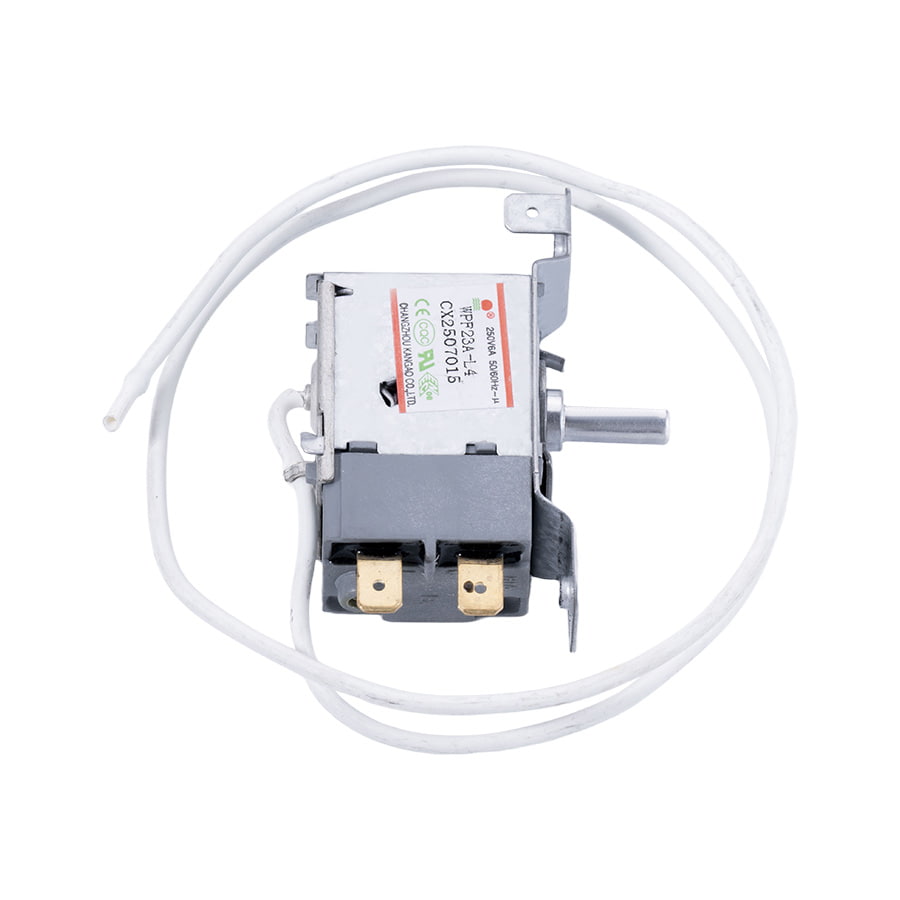
Selecting the right low temperature thermostat often comes down to balancing precision needs against cost and durability requirements. The table below summarizes the key differences.
| Thermostat Type | Precision Level | Best Application | Relative Cost |
| Mechanical Capillary | Moderate | Commercial refrigeration | Low |
| Electronic Digital | High | Pharmaceutical and lab storage | High |
| Bi-Metal | Low to Moderate | General freeze protection | Very Low |
Selecting the right thermostat involves more than just picking one rated for cold temperatures. Several factors need to be considered together to ensure reliable, accurate performance in the intended application.
Different applications require different levels of precision. A walk-in cooler storing produce might tolerate a few degrees of variation, while a pharmaceutical freezer storing vaccines may require accuracy within a fraction of a degree. Matching the thermostat's rated accuracy to the actual requirements of the application prevents both under-protection and unnecessary overspending on precision you don't need.
Thermostats installed in harsh conditions, such as outdoor refrigeration units or environments with high humidity and vibration, need housings and components rated to withstand those specific stresses. Choosing a unit not rated for the environment often leads to premature failure and inaccurate readings over time.
Some low temperature thermostats need to integrate with existing building management systems, alarms, or remote monitoring platforms. Checking compatibility with current infrastructure before purchasing can save significant installation headaches and additional costs down the line.
Even reliable low temperature thermostats can develop issues over time, and knowing how to identify common problems can save time and prevent unnecessary equipment replacement.
Inconsistent temperature readings are often caused by sensor drift, which occurs naturally over time as components age, or by poor sensor placement that doesn't accurately reflect actual conditions inside the space. Recalibrating the thermostat or repositioning the sensor can often resolve this without needing a full replacement. Frequent cycling, where the system turns on and off more often than expected, can indicate a thermostat with a differential setting that's too narrow, causing the system to react to minor fluctuations rather than genuine temperature changes. Adjusting the differential setting, if the unit allows it, can reduce unnecessary wear on connected equipment. If a thermostat stops responding altogether, checking wiring connections and power supply should be the first troubleshooting step before assuming the unit itself has failed.
 Category

 English
 中文简体
中文简体 عربى
عربى Español
 +86-13861233850