

 English
 中文简体
中文简体 عربى
عربى Español
 +86-13861233850
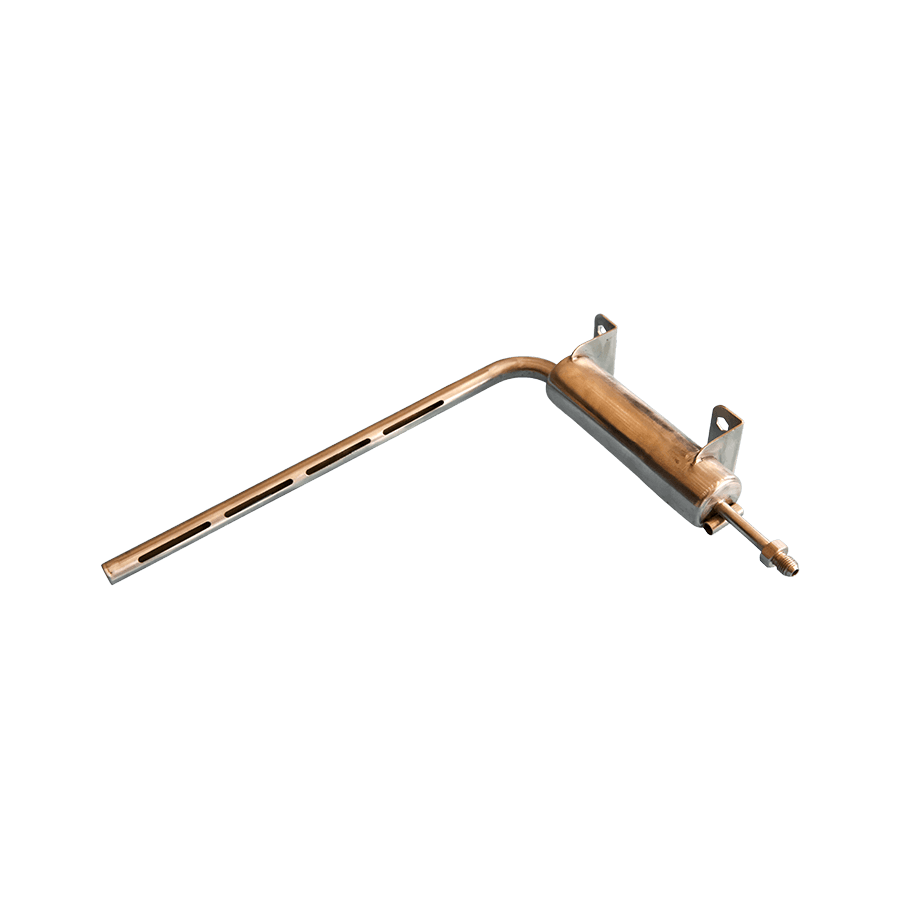
In the vast system of plumbing engineering, threaded connection pipe fittings play a key role in "mo...
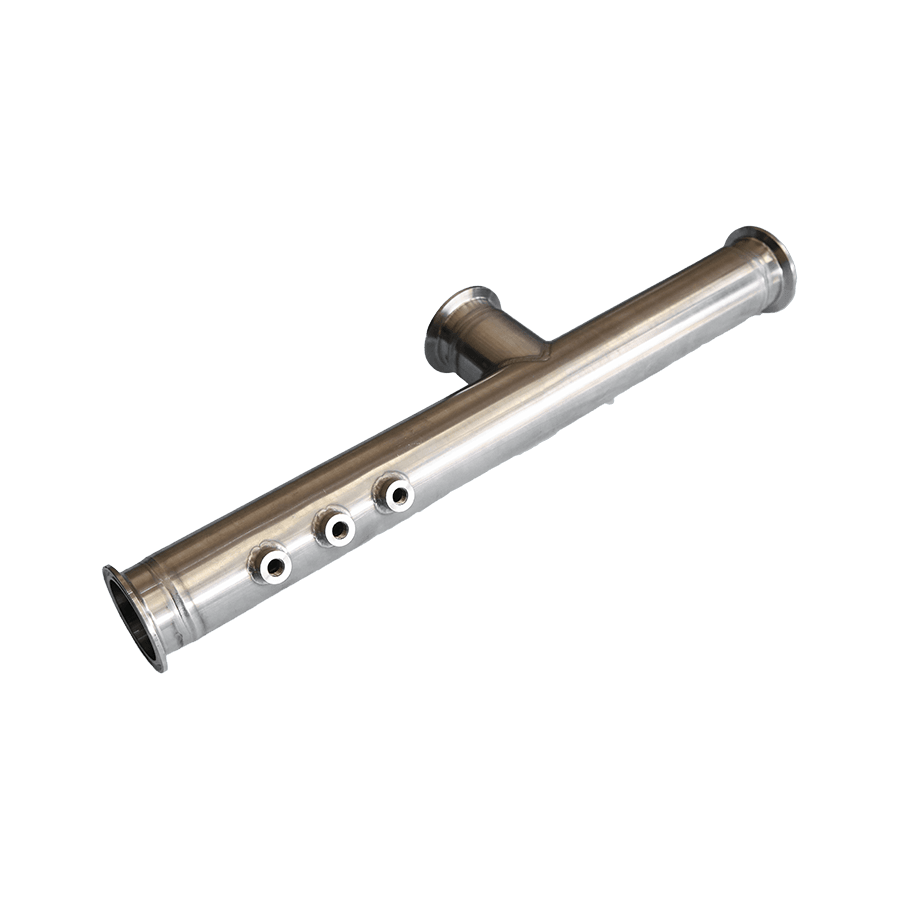
Sanitary tee fittings, specifically designed for pump system piping accessories, have the core missi...
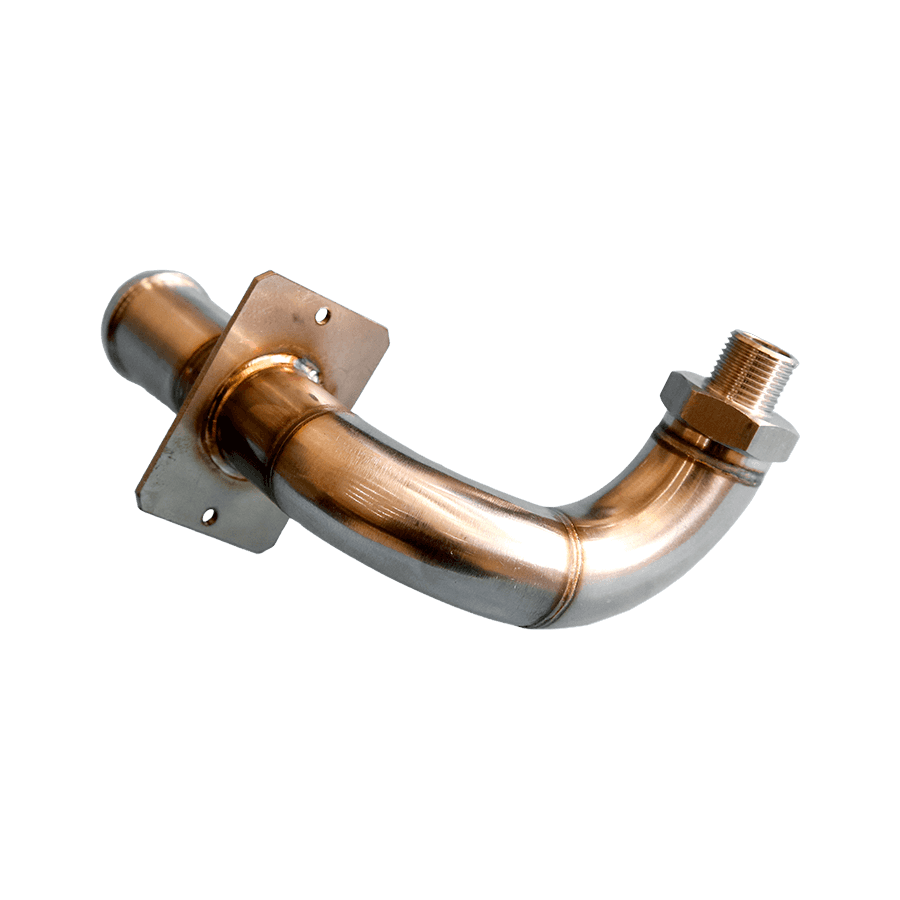
The elbow inlet pipe fitting serves as a core hub in fluid transmission systems, combining the dual ...
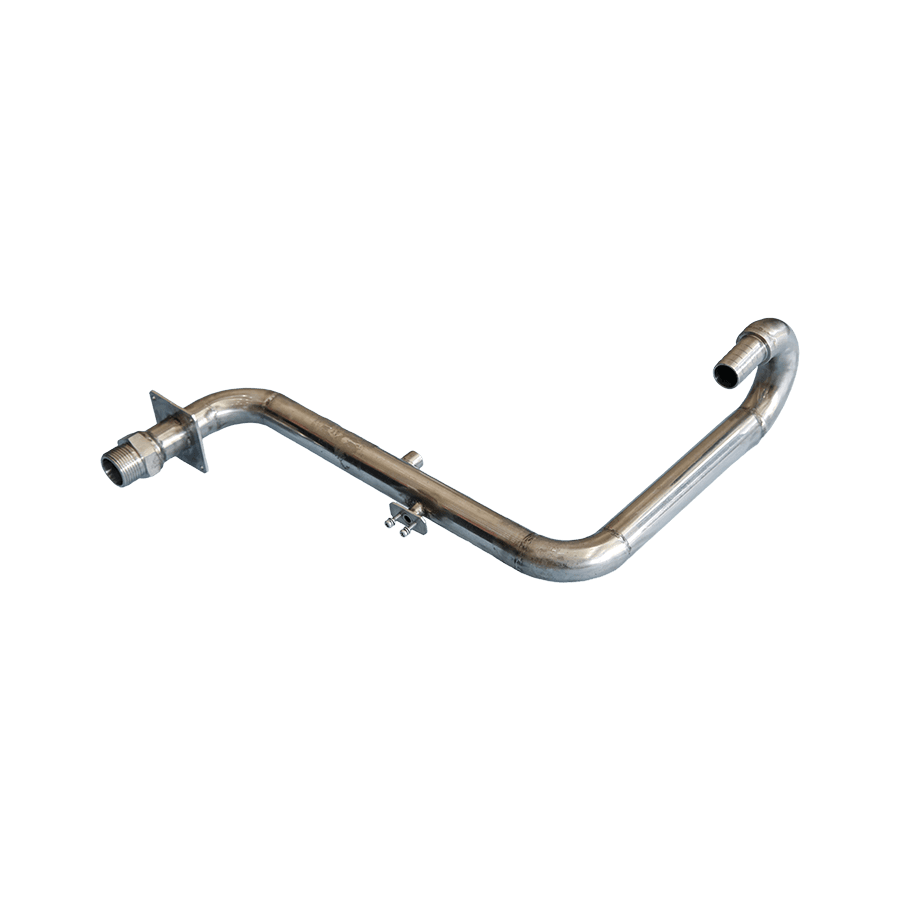
The engine cooling water pipe serves as the "lifeline" of a car's heart, bearing the core responsibi...
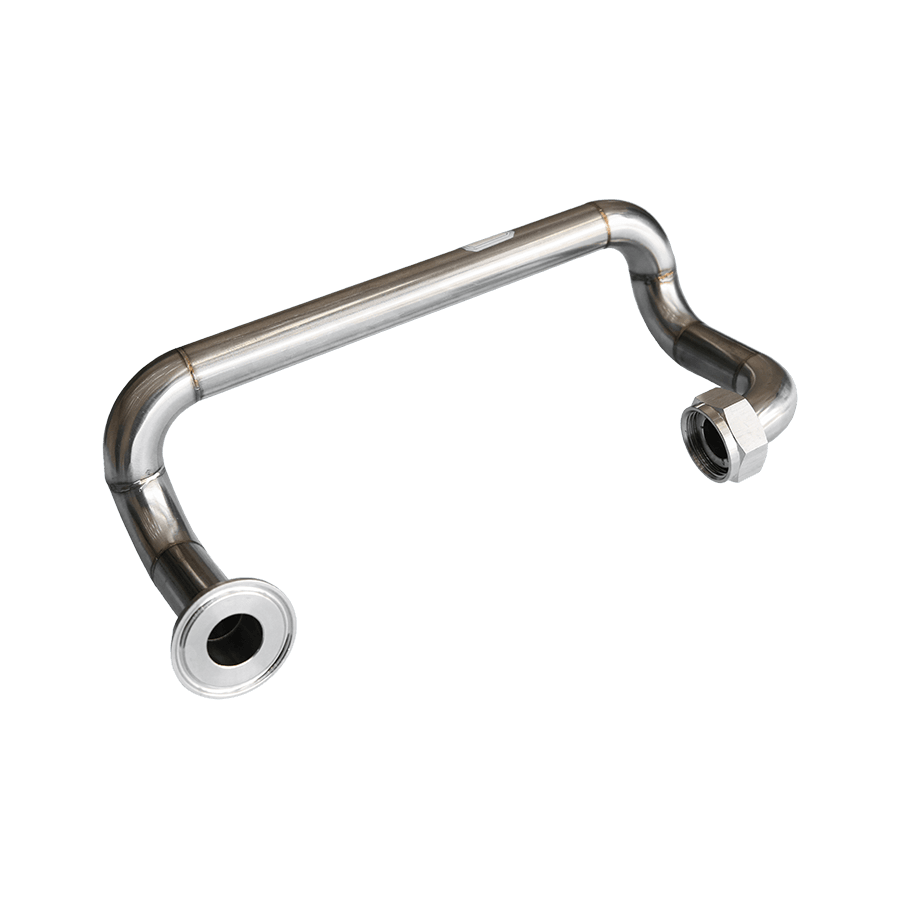
The Automotive Engine Water Inlet Pipe Fitting is an essential connecting component in an engine coo...
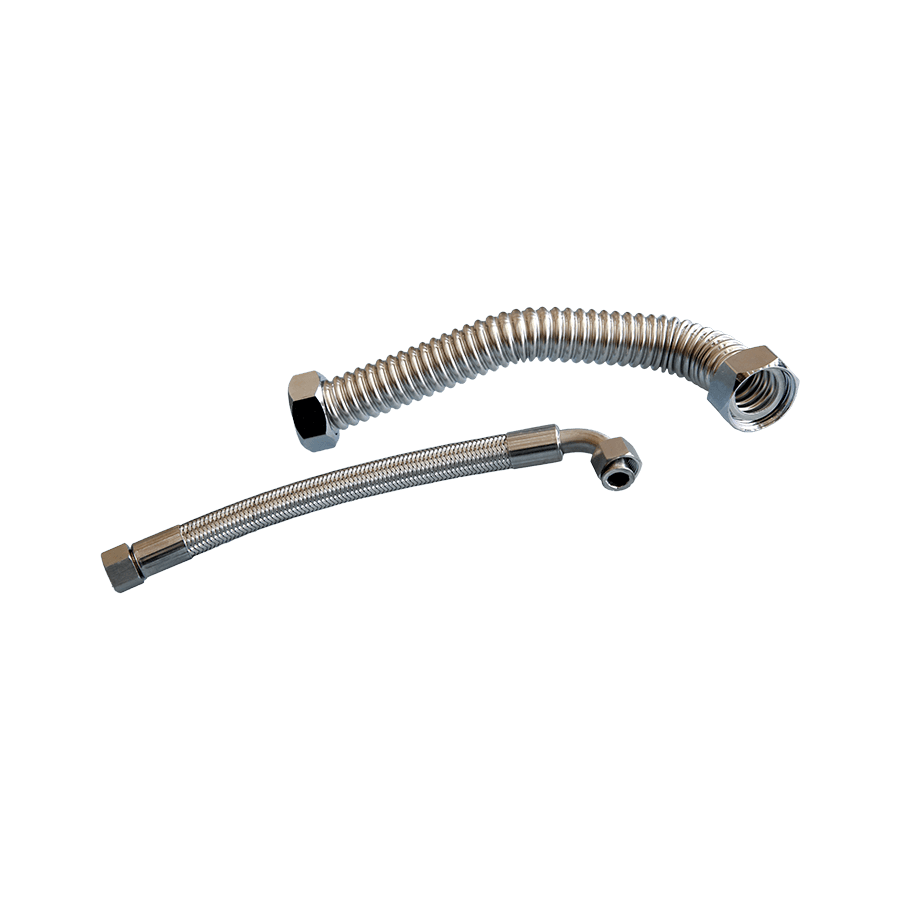
When a central air conditioning unit runs, the compressor, pumps, and other components inevitably vi...
Pipe fittings, also known as pipe accessories, are an essential component of piping systems. Their primary function is to connect pipes and change the direction, flow rate, or pressure of fluids. From simple domestic water supply to complex industrial fluid transport, pipe fittings play a critical role. They ensure the integrity and functionality of piping systems, allowing fluids (whether water, gas, or other media) to be transported along their intended paths and in the right manner. Pipe fittings are designed and manufactured to stringent standards to ensure reliable operation in a variety of operating environments.


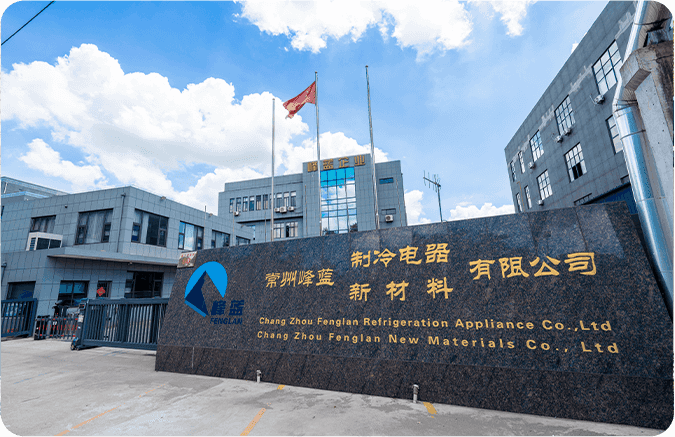
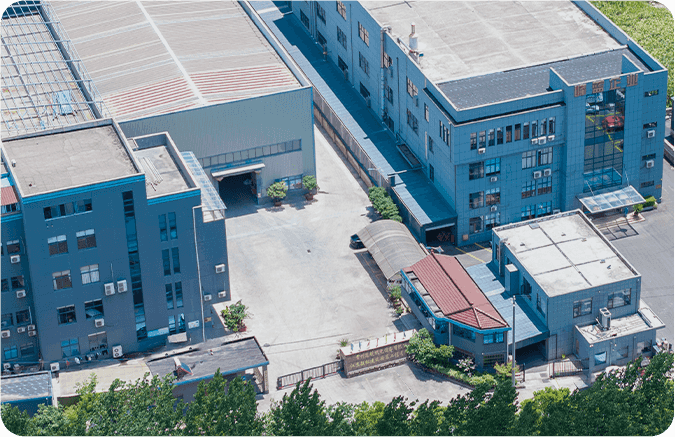

Modern Factory
Large-Scale Equipment
Self-Developed Milling Machines
Inspection Equipment

What Is a Low Temperature Thermostat and How Does It Work? A low temperature thermostat is a control device designed to monitor and regulate temperatures in environments that operate well below standard room temperature, typically ranging from just above freezing down to deep-freeze conditions. Unlike a standard househ...
READ MOREThe high temperature thermostat stands as a critical yet often underappreciated component in systems ranging from automotive powertrains to industrial processing plants, aerospace thermal management, and advanced energy generation. Unlike ordinary thermostats that operate within mild ambient ranges, high temperature va...
READ MOREWhat Precision Electrical Connector Terminals Actually Do Precision electrical connector terminals are the small metal components inside a connector that create the actual electrical contact point between a wire and a mating connector, circuit board, or component. While connector housings get most of the visual attenti...
READ MOREThe Role of CNC Technology in Enhancing Precision Tube Fittings for Industrial Applications
In modern industrial applications, the precision and durability of pipe fittings are critical to the performance and longevity of machinery and systems. The advent of CNC (Computer Numerical Control) technology has revolutionized the manufacturing of precision tube fittings, allowing for extremely tight tolerances and superior consistency. This technology is particularly beneficial in sectors where high performance and reliability are essential, such as aerospace, automotive, and chemical processing industries.
CNC pipe fittings are components used in piping systems, specifically designed to connect pipes, valves, and other equipment. The "CNC" designation indicates that these fittings are fabricated using automated machinery controlled by computer software. This allows manufacturers to achieve high precision and replicate exact specifications consistently.
Advantages of CNC Technology in Pipe Fitting Manufacturing
CNC machines can create highly accurate pipe fittings, reducing the likelihood of human error and ensuring that each piece meets stringent quality standards. This technology enables the creation of custom fittings tailored to the unique needs of a specific application, providing flexibility in design and material selection. Additionally, automation speeds up the production process, helping manufacturers meet tight deadlines without compromising on quality. Though the initial investment in CNC technology can be high, long-term benefits such as reduced labor costs, minimized waste, and faster production make it a cost-effective choice.
Applications of Precision Tube Fittings
Aerospace Industry: Pipe fittings used in aerospace systems must withstand extreme conditions. CNC machining ensures that these components meet the required specifications for high strength, durability, and resistance to corrosion.
Automotive Manufacturing: The automotive industry relies on CNC pipe fittings for fuel and hydraulic systems, where accuracy and leak prevention are paramount.
Chemical Processing Plants: Precision tube fittings are vital in ensuring the safe transportation of chemicals, where even a small defect could lead to catastrophic failures.
Advanced quality control processes, such as pressure testing, X-ray inspection, and material analysis, are integrated into the manufacturing of CNC pipe fittings. These measures ensure that the final product meets the highest standards for strength, durability, and safety.
Essential Pipe Fittings for Machinery and Industrial Systems: Ensuring Safety and Efficiency
Pipe fittings are critical components in any industrial or mechanical system, serving to connect and control the flow of fluids, gases, and other substances through piping systems. Whether used in power plants, manufacturing facilities, or HVAC systems, the reliability of pipe fittings is essential to maintaining the safety and efficiency of the entire system.
Industrial pipe fittings are used to join, regulate, or change the direction of pipes in a system. They are designed to withstand high pressure, temperature fluctuations, and chemical exposure. Common types include elbows, tees, flanges, couplings, and reducers. These fittings are made from a variety of materials, including stainless steel, carbon steel, copper, and PVC, depending on the application requirements.
Machinery, whether it's a manufacturing assembly line, power plant turbine, or HVAC unit, relies on fluid and gas systems to operate. Pipe fittings play a crucial role in ensuring that these systems function smoothly, securely, and without leaks. Some key functions of pipe fittings in machinery include:
Flow Control: Pipe fittings help regulate the flow of liquids and gases, ensuring that the proper amounts of substances are delivered to various components in the system.
Pressure Management: Industrial pipe fittings help maintain the pressure levels within the system, preventing pipe bursts or malfunctions.
Connection and Sealing: They ensure tight connections between pipes, preventing leaks that could lead to system failure or safety hazards.
Key Types of Pipe Fittings for Industrial Systems
Elbows and Bends: Used to change the direction of pipes, elbows and bends are essential for ensuring that the flow is maintained without interruptions or blockages.
Tees and Crosses: These fittings are used to branch out pipes into two or more directions, allowing for complex systems with multiple pathways.
Flanges and Couplings: Flanges are used to connect large pipes, while couplings provide a secure joint between two pipe sections, making maintenance and repairs easier.
Reducers: These fittings help transition between pipes of different diameters, allowing for efficient flow management in systems with varying pressure needs.
The selection of the right type of pipe fittings is crucial in industrial settings, where failure could lead to costly downtime or even catastrophic accidents. Key factors to consider when choosing pipe fittings include:
Material Compatibility: The material of the pipe fitting must match the fluid or gas being transported to prevent corrosion or chemical reactions.
Pressure and Temperature Ratings: It's essential to choose fittings rated for the pressures and temperatures in the system to ensure they can withstand the operating conditions.
Durability: Industrial systems often operate in harsh environments, requiring fittings that can resist wear, corrosion, and high-stress conditions.

Fenglan is Custom CNC Pipe Fitting Supplier, Industrial Pipe Fitting OEM. Your Reliable Partner in Parts and Components Manufacturing since 2010
 Tel: +86-13861233850
  E-mail: [email protected]
  Add: No.60, East Zhuanghe Road, Chunjiang Town, Wei Village, Xinbei District, Changzhou City, China

