

 English
 中文简体
中文简体 عربى
عربى Español
 +86-13861233850
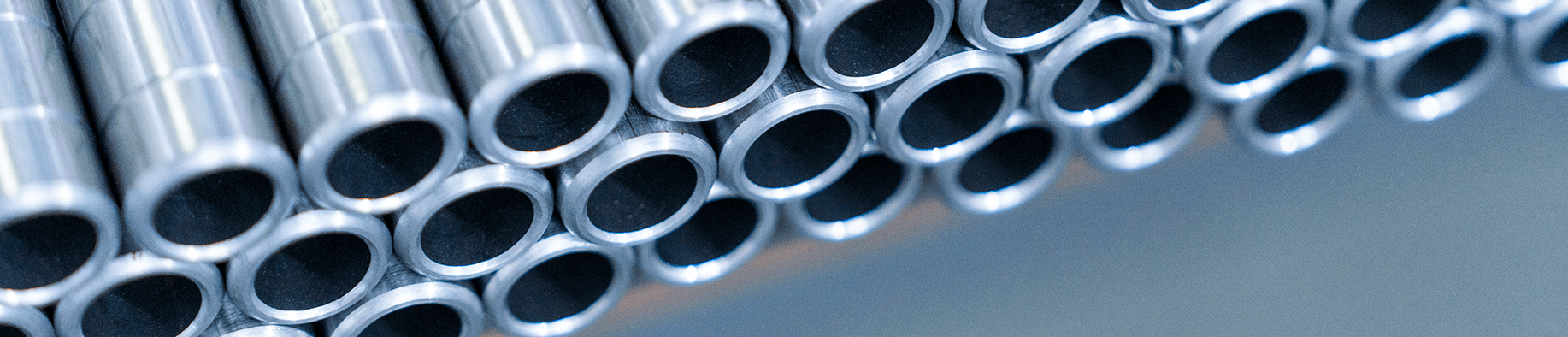
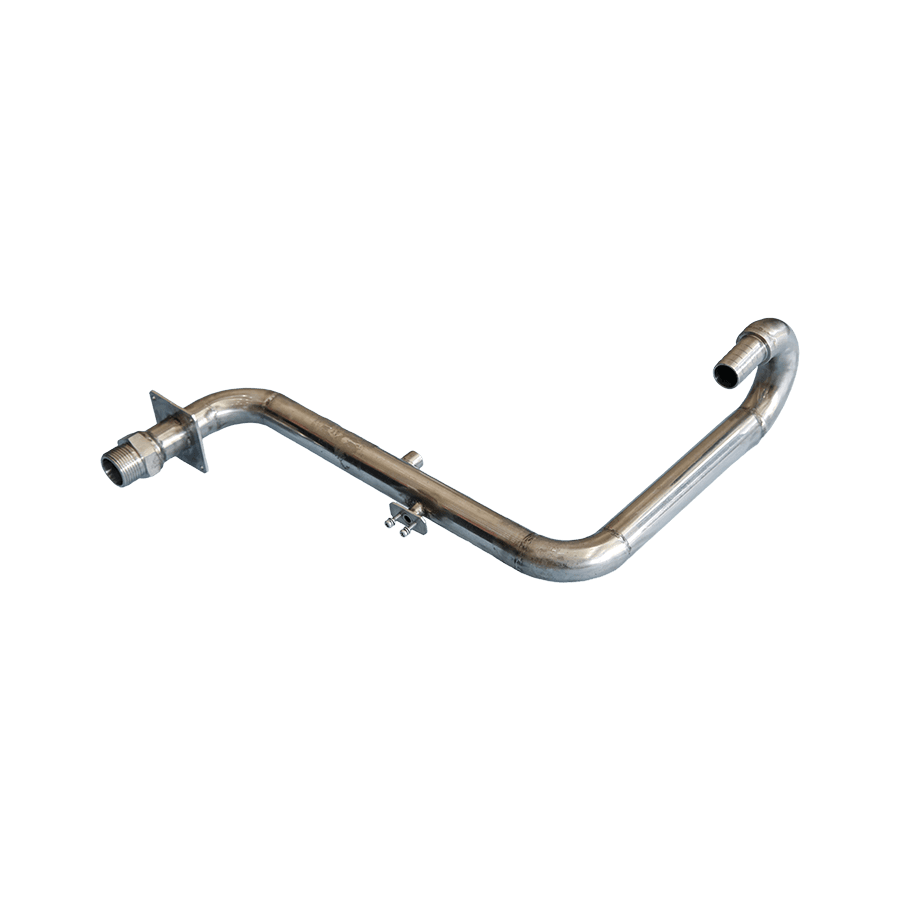
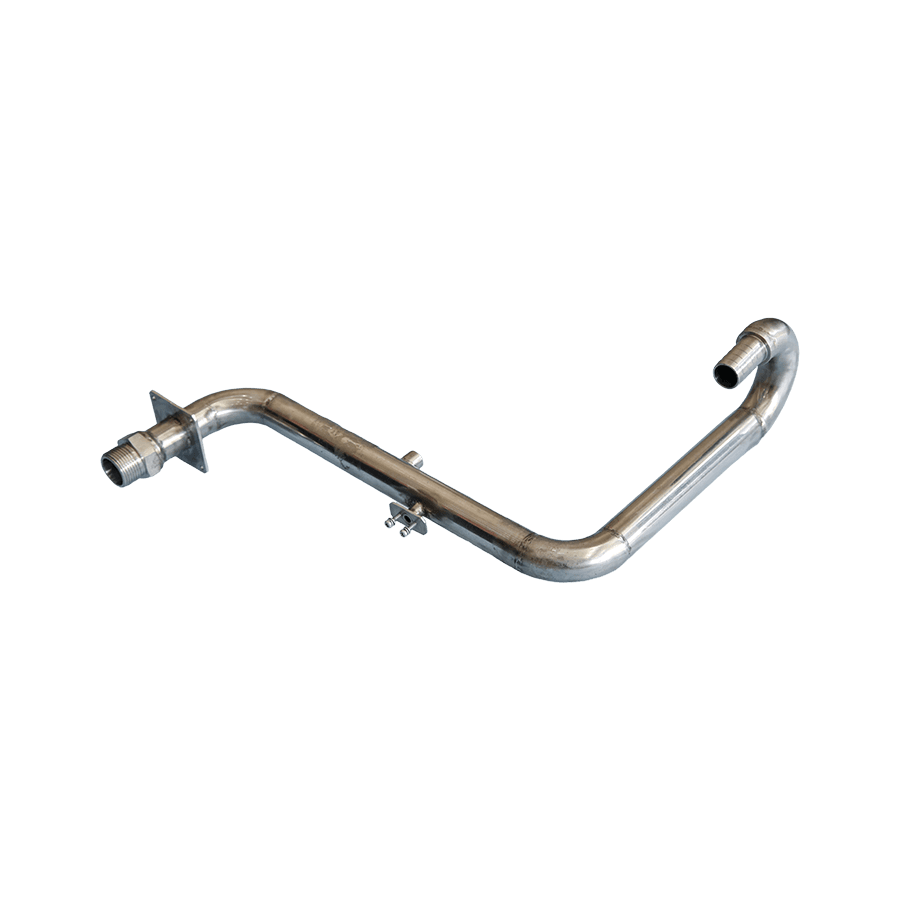
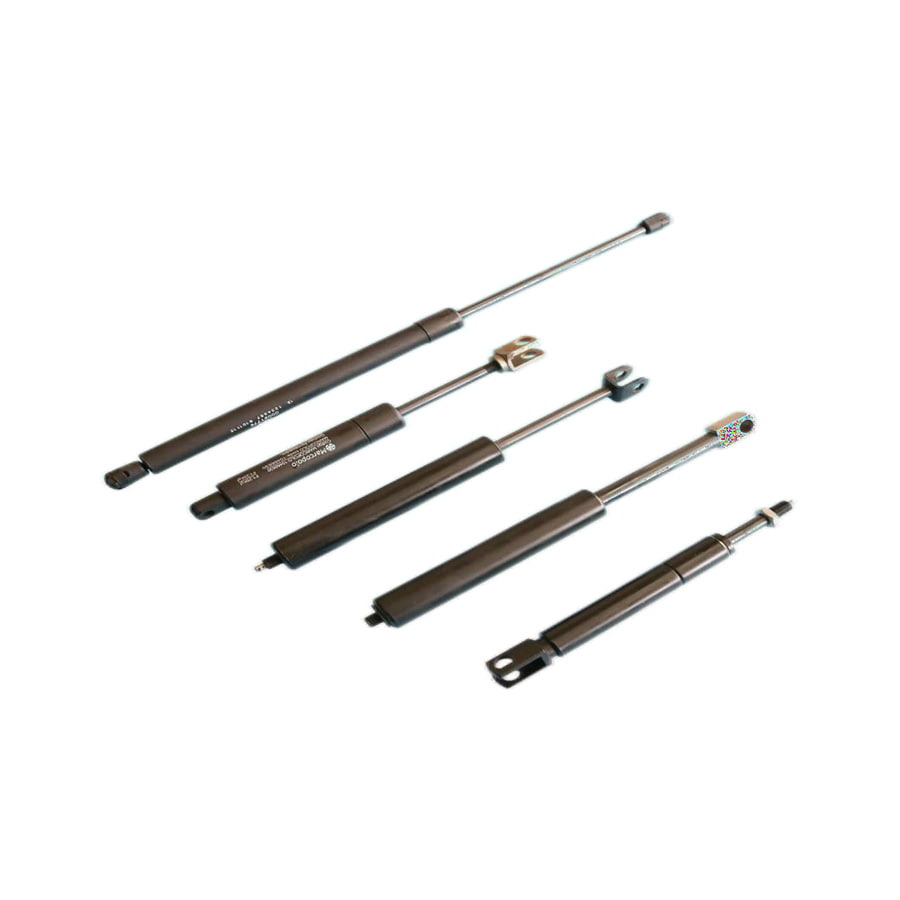
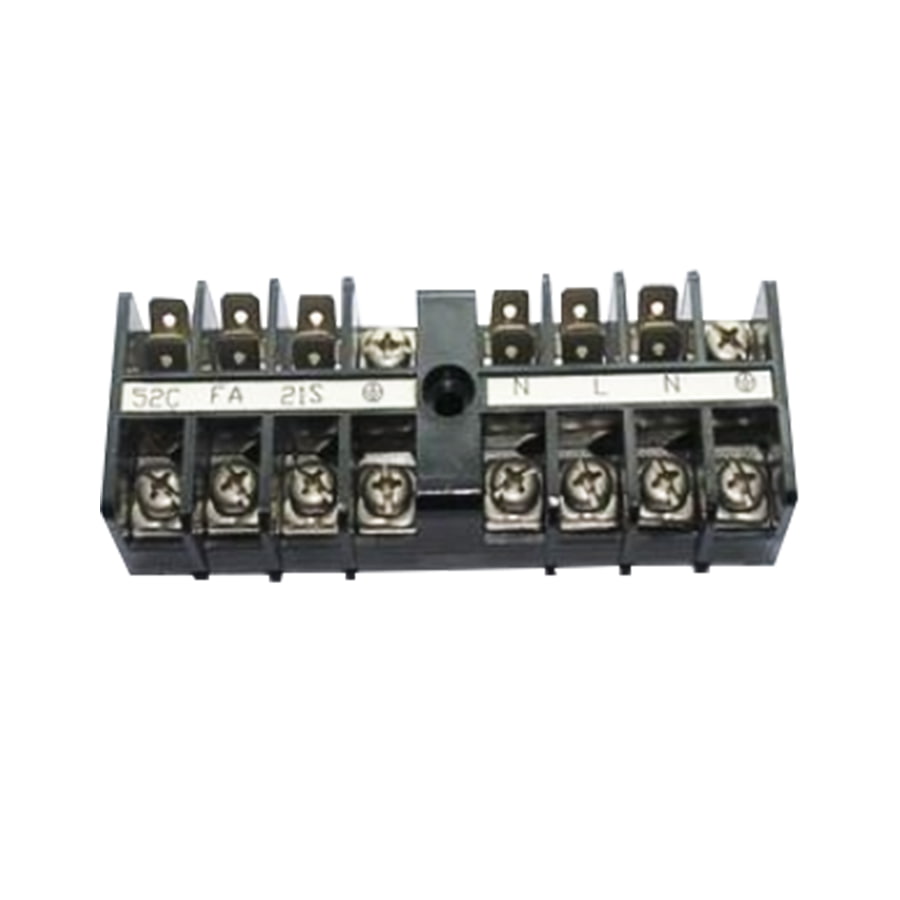
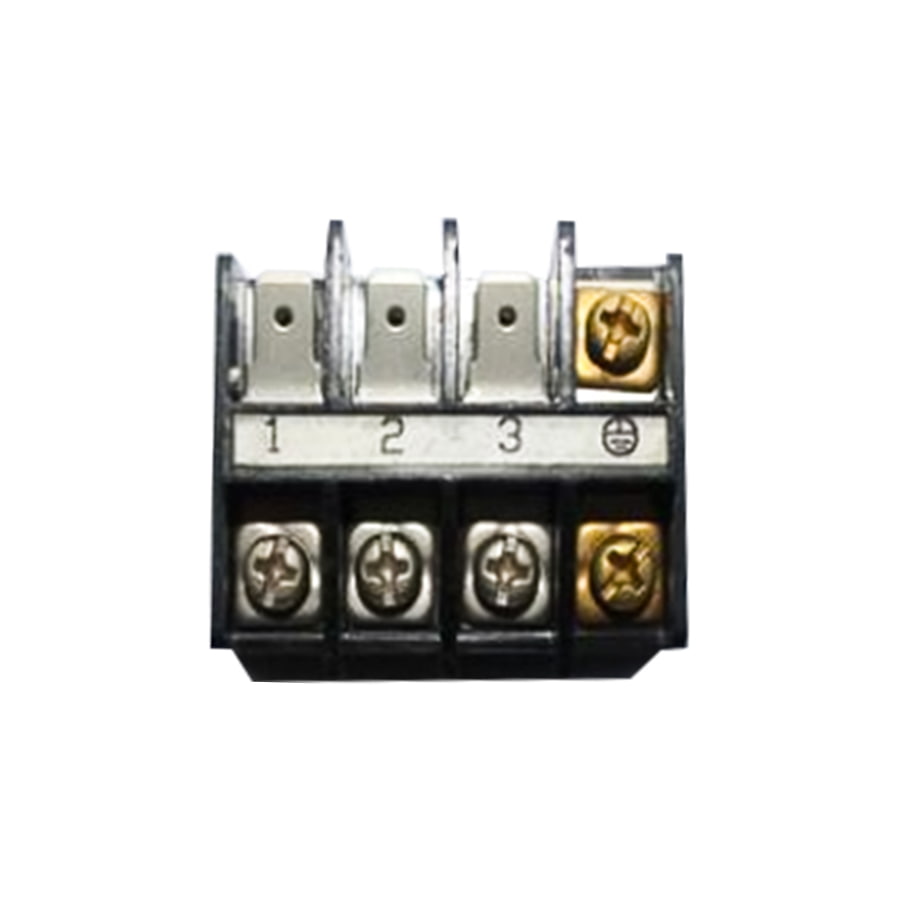

To withstand the extremely harsh conditions within the engine bay, these pipes are manufactured to rigorous material and structural standards. They are typically made from premium materials such as EPDM (Ethylene Propylene Diene Monomer) rubber, silicone, or hydrolysis-resistant nylon, offering exceptional resistance to high temperatures, aging, and ozone. Furthermore, the interior of the pipes is often reinforced with high-tensile synthetic textile braids or spiral steel wires. This structural support allows them to effortlessly handle internal pressure fluctuations of up to dozens of PSI and the intense vibrations generated by the running engine, ensuring they do not swell, crack, or leak during extreme hot-and-cold thermal cycles.
In the evolution of the modern automotive industry, the design of cooling water pipes is advancing towards lightweighting and high integration. Beyond traditional rubber hoses, an increasing number of vehicles now utilize aluminum alloy hard pipes or modular plastic piping. This shift not only significantly reduces overall vehicle weight but also optimizes space layout within the engine compartment. As a crucial component in the automotive aftermarket and maintenance ecosystem, regularly inspecting the condition of these pipes and promptly replacing aged fittings with hardening or micro-cracks is an essential prerequisite for preventing coolant leaks, ensuring driving safety, and extending the engine's service life.



 Tel: +86-13861233850
  E-mail:
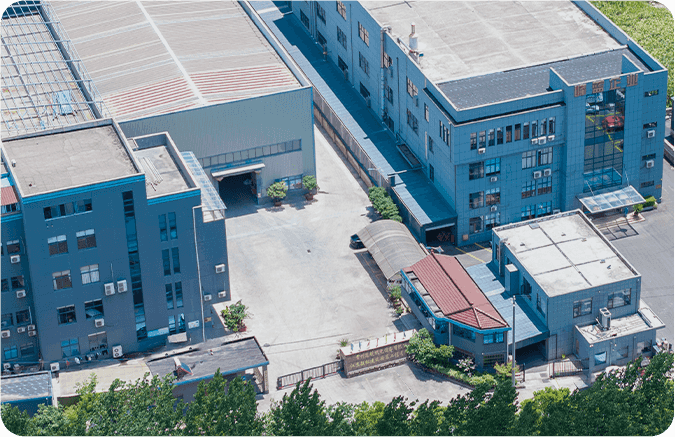
  Add: No.60, East Zhuanghe Road, Chunjiang Town, Wei Village, Xinbei District, Changzhou City, China

