1. What Are Custom CNC Pipe Fittings?
Custom CNC pipe fittings are precisely engineered components used to connect, divert, or control the flow of fluids in piping systems. Made using advanced CNC machining techniques, these fittings offer high levels of accuracy, repeatability, and customization to meet the specific requirements of various applications. Unlike standard fittings, custom CNC pipe fittings are tailored to fit unique specifications and can be manufactured in a variety of materials such as stainless steel, brass, or titanium.
2. Benefits of Custom CNC Pipe Fittings
Custom CNC pipe fittings provide several key advantages for industries where precision and reliability are crucial. Some of the major benefits include:
- Enhanced accuracy and precision in fitting sizes and shapes
- Improved durability and resistance to harsh conditions
- Tailored solutions for complex piping systems and layouts
- Reduced operational downtime due to custom fit and easy installation
- Versatility in material selection, allowing for optimized performance
3. Industries That Benefit from Custom CNC Pipe Fittings
Custom CNC pipe fittings are essential in several industries that demand high-quality, reliable, and tailored solutions. Some of the key industries include:
- Oil & Gas: Custom CNC pipe fittings are used in drilling operations, pipeline systems, and refining processes, ensuring safe and efficient fluid flow.
- Aerospace: The aerospace industry requires highly precise and durable fittings for fuel, air, and hydraulic systems.
- Automotive: For performance vehicles and specialized machinery, custom CNC pipe fittings ensure optimal fluid management in engines and exhaust systems.
- Pharmaceutical: Custom pipe fittings ensure clean, contaminant-free operations in manufacturing pharmaceutical products.
- Construction: These fittings are used in plumbing, heating, and cooling systems where durability and custom design are crucial.
4. How Custom CNC Pipe Fittings Are Made
The process of making custom CNC pipe fittings involves several stages that ensure high precision and quality:
- Design: The first step involves creating a detailed 3D design of the pipe fitting, using CAD software to specify dimensions, angles, and other critical factors.
- Material Selection: The right material is chosen based on factors like the operating environment, pressure requirements, and corrosion resistance.
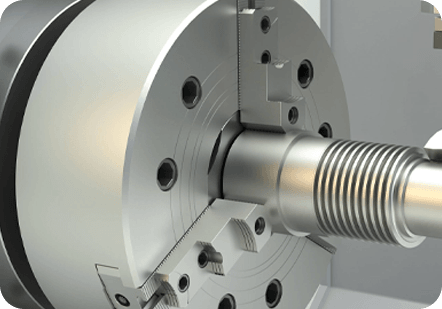
- CNC Machining: Using CNC machines, the material is precisely cut, shaped, and drilled to meet the exact specifications of the design.
- Finishing: Once the fitting is machined, it undergoes finishing processes such as polishing, coating, or heat treatment to improve its durability and performance.
- Inspection: The final product is carefully inspected for any defects or deviations from the design to ensure it meets industry standards.
5. Applications of Custom CNC Pipe Fittings
Custom CNC pipe fittings can be found in a wide range of applications, where precision and reliability are paramount. Some common applications include:
- Fluid and gas transfer in pipelines and tanks
- Connecting different sections of piping in complex industrial systems
- Regulating the flow of fluids or gases in machinery and equipment
- Custom-fit solutions for specialized equipment, such as boilers and heat exchangers
- Installation in harsh environments, such as offshore rigs and chemical plants
6. Custom CNC Pipe Fitting Cost Considerations
While custom CNC pipe fittings offer many advantages, it’s important to consider the cost factors involved:
- Material Costs: The material chosen for the fittings, whether it’s stainless steel, brass, or a more specialized alloy, affects the overall cost.
- Complexity of Design: More intricate designs with higher precision will typically cost more due to longer machining times and more advanced equipment.
- Volume: Ordering larger quantities of custom fittings can help reduce the per-unit cost.
- Labor and Machine Time: The more customized and detailed the fitting, the higher the labor and machine time involved in production.

 2025-10-29
  Category

 English
 中文简体
中文简体 عربى
عربى Español
 +86-13861233850