 2025-10-22
 Content
The high-precision motor shaft process involves advanced manufacturing techniques aimed at producing motor shafts with tight tolerances, minimal runout, and improved durability. This process is crucial for industries requiring high-performance motors, such as automotive, aerospace, and robotics. By ensuring the motor shafts meet specific standards, the overall reliability and longevity of the motor are significantly enhanced.
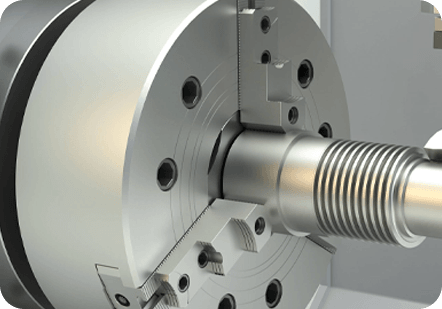
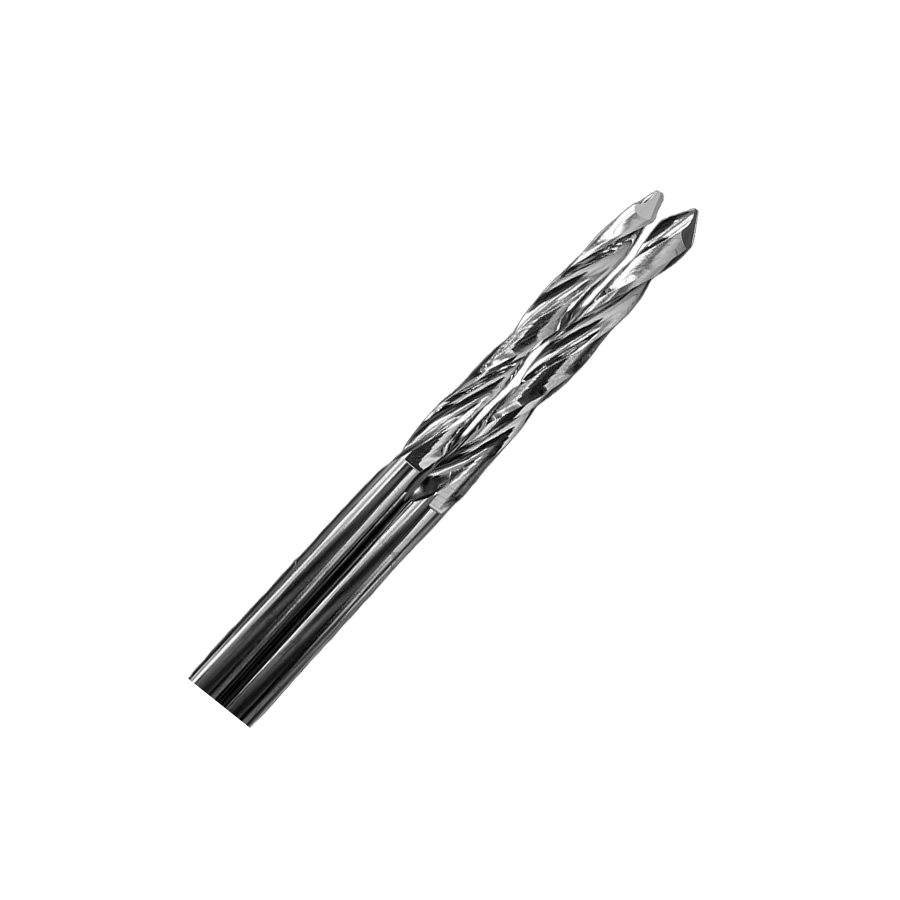
CNC machining is one of the most widely used methods for high-precision motor shaft production. This process involves computer-controlled machines that precisely cut, drill, and shape the motor shaft to the exact specifications. With CNC machining, manufacturers can achieve very tight tolerances and complex geometries, making it ideal for producing motor shafts with high accuracy.
Grinding is another important technique used in high-precision motor shaft processing. This process smoothens the surface of the motor shaft, removing any imperfections and ensuring a flawless finish. It is commonly used after turning or CNC machining to achieve the required surface finish and dimensional accuracy. Grinding ensures that the motor shaft operates smoothly, reducing friction and wear during use.
Heat treatment processes, such as quenching and tempering, are employed to enhance the mechanical properties of motor shafts. Heat treatment helps improve the hardness, strength, and wear resistance of the shafts, ensuring they can withstand high stresses and operational wear. This process is critical for motor shafts that are exposed to extreme conditions during their operation.
Applying a surface coating, such as chrome plating or nitriding, provides additional wear resistance and corrosion protection to motor shafts. These coatings not only improve the shaft's durability but also reduce friction, enhancing the motor's performance and efficiency. Surface coatings are particularly important in industries where the motor shaft operates in harsh environments.
High-precision motor shaft processing is essential in several industries. Below are some common applications:
While high-precision motor shaft processing offers many benefits, there are challenges that manufacturers must address:
 Category

 English
 中文简体
中文简体 عربى
عربى Español
 +86-13861233850