

 English
 中文简体
中文简体 عربى
عربى Español
 +86-13861233850
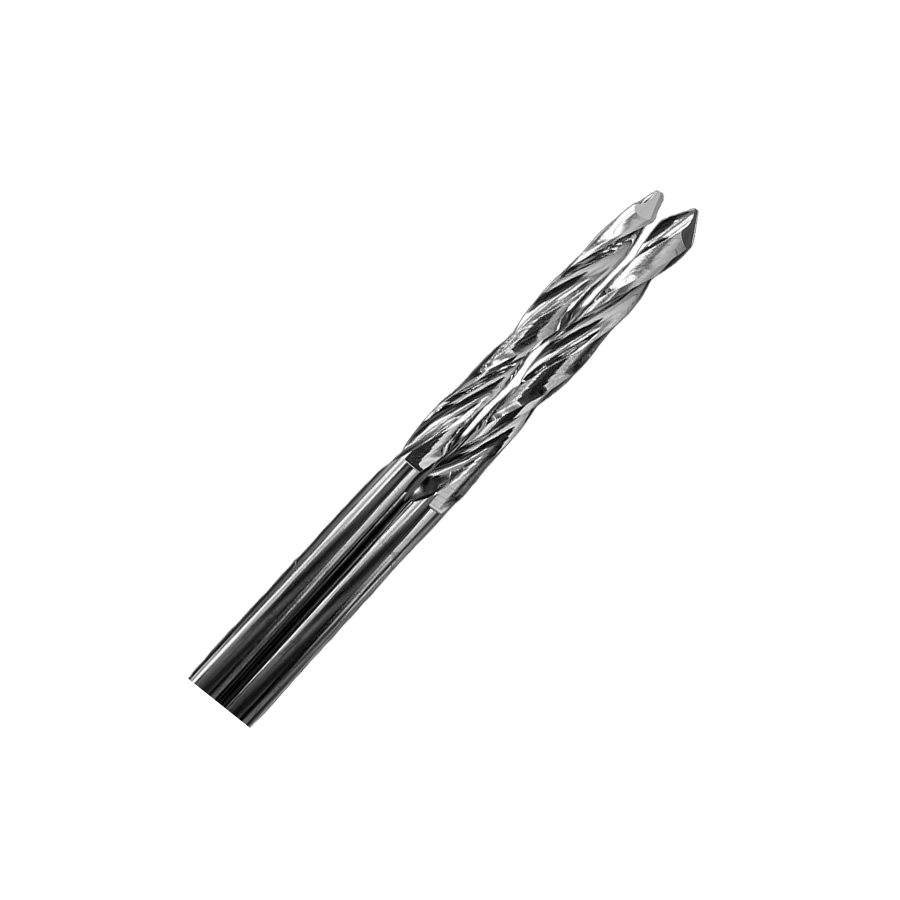

In terms of structural design and material selection, bone nails exhibit high professionalism and diversity. They typically consist of a front cutting edge, a central shaft, and a tail. Based on bone density, they are subdivided into cortical bone screws for the diaphysis and cancellous bone screws for the epiphysis. Regarding materials, in addition to traditional stainless steel and cobalt-chromium alloys, modern bone nails increasingly use titanium alloys with excellent biocompatibility, and there are even bio-absorbable screws that can be naturally degraded by the body. Furthermore, the design of new locking screws breaks through the limitations of traditional friction fixation. By forming a solid unit with the plate, they effectively protect the periosteum and its blood supply, further accelerating the recovery process.
With the continuous advancement of medical technology, the functional classification of bone nails has become increasingly refined, covering various types such as lag screws, interlocking nails, blocking screws, and anchor screws to meet diverse clinical needs ranging from simple fractures to complex revision surgeries. Despite their small size, they play an irreplaceable role in rebuilding the mechanical balance of the human skeleton. Whether for adult or pediatric patients, bone nails can help patients regain solid skeletal support and restore their health and vitality at an early stage through minimally invasive and precise interventions.





 Tel: +86-13861233850
  E-mail:
  Add: No.60, East Zhuanghe Road, Chunjiang Town, Wei Village, Xinbei District, Changzhou City, China

