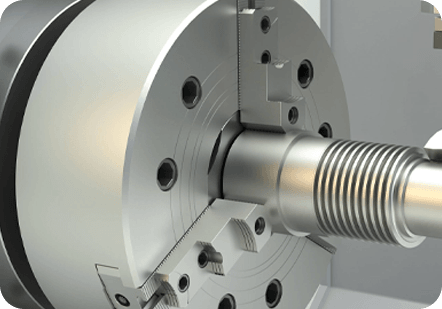
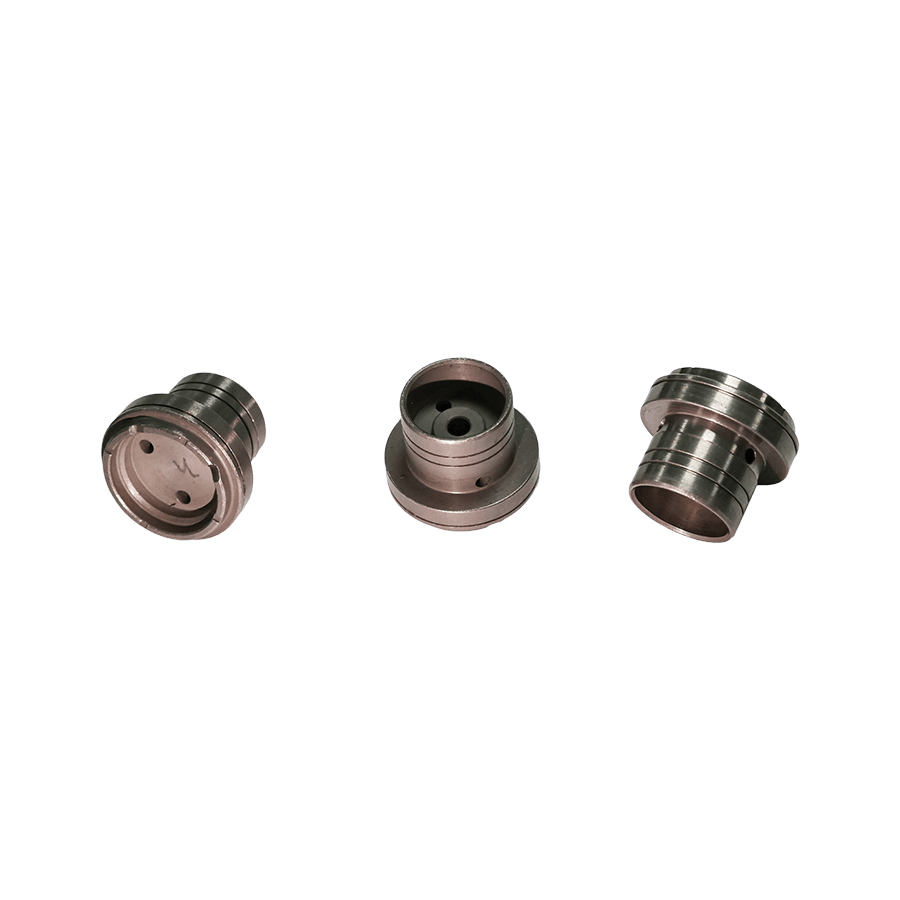
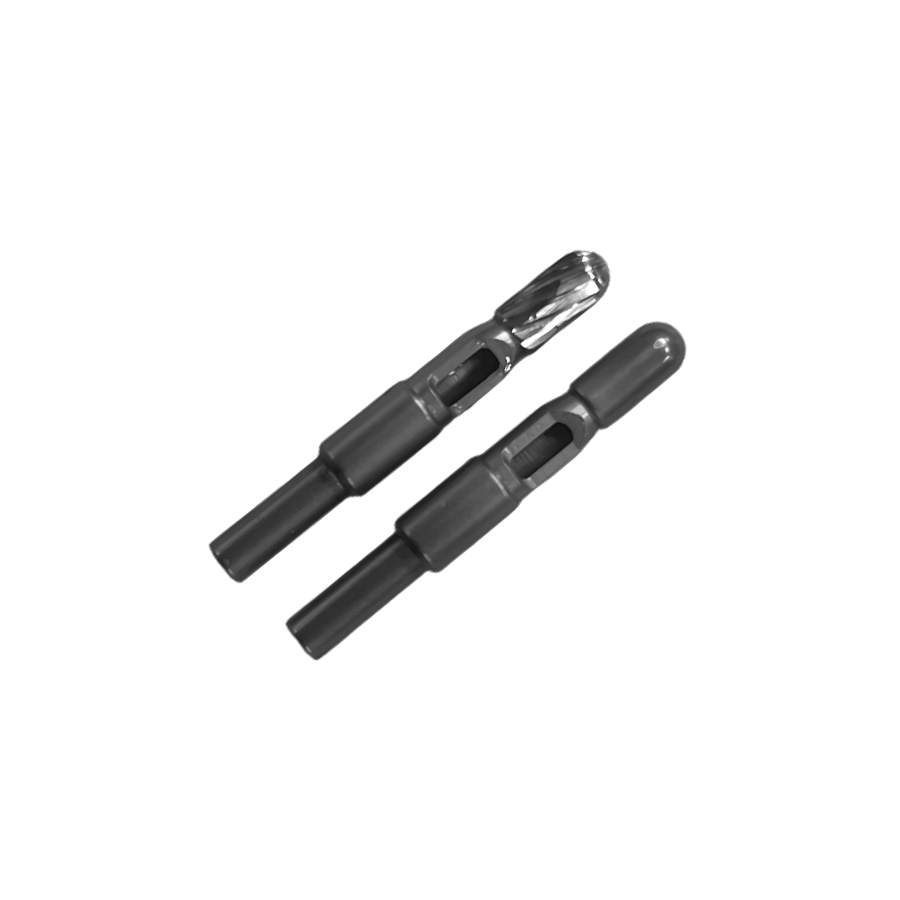
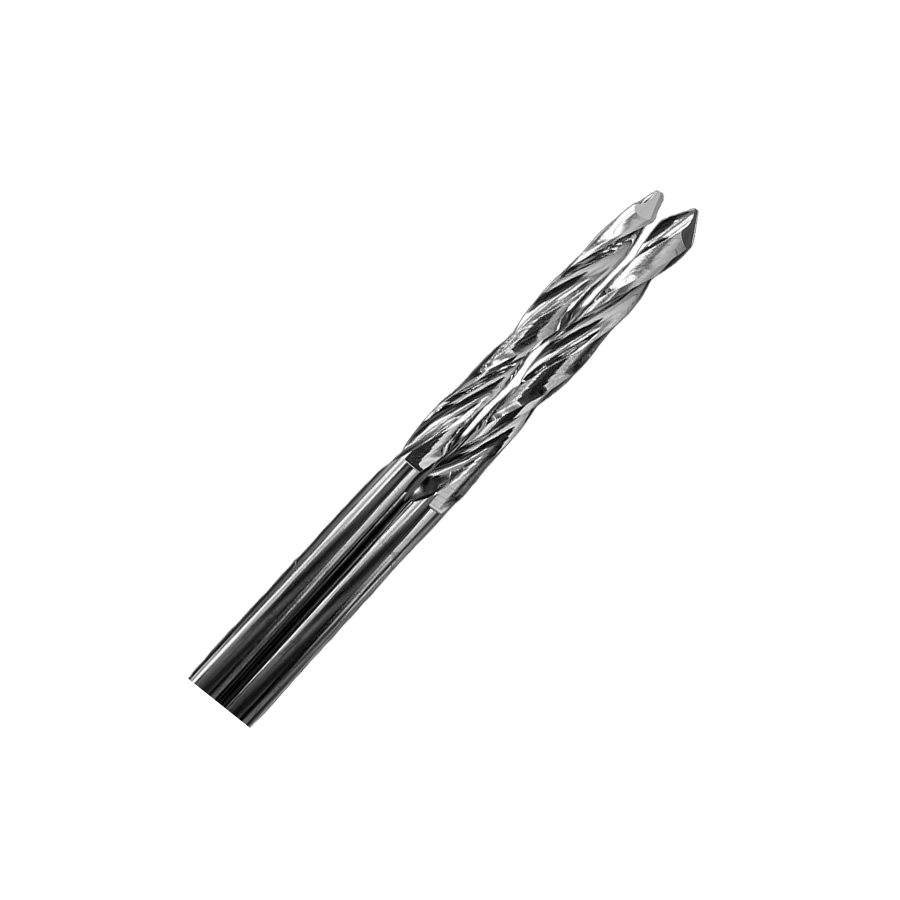
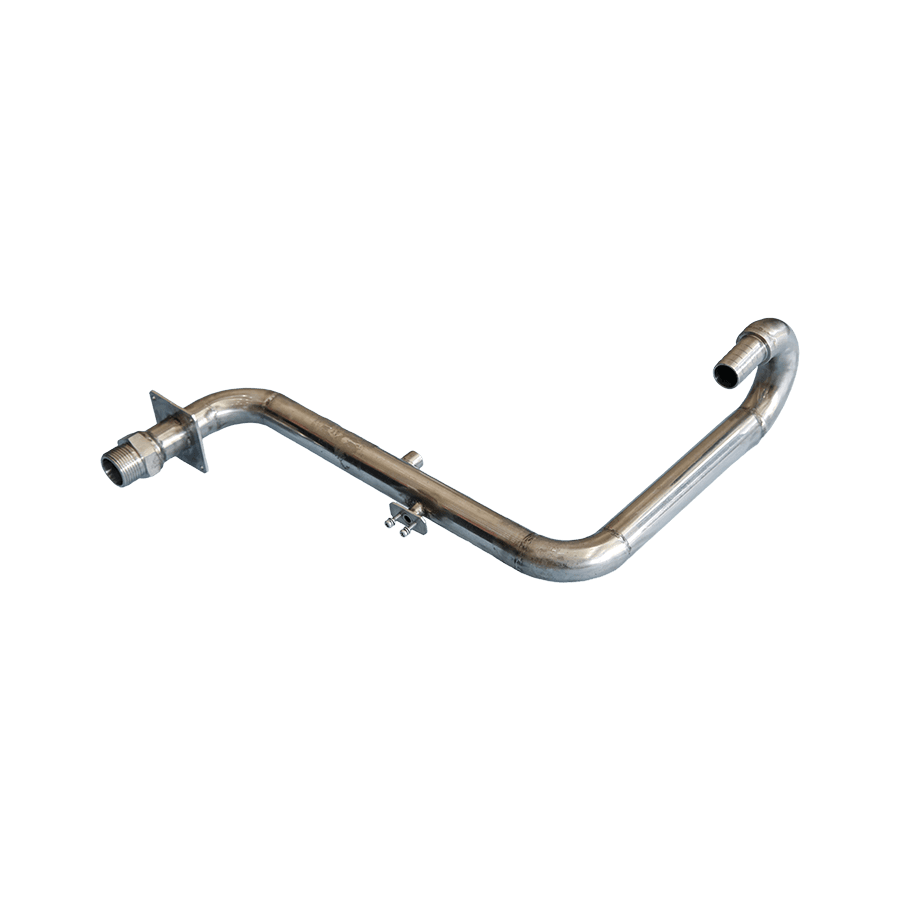
CNC (Computer Numerical Control) machining has revolutionized the manufacturing industry by offering high precision in the production of complex parts. CNC machining precision parts are components created with exceptional accuracy and detail, making them indispensable in industries such as aerospace, automotive, medical devices, and electronics. These parts are manufactured using automated machinery controlled by computer programs, ensuring consistent results and reducing human error.
2. Key Benefits of CNC Machining Precision Parts
The primary advantages of CNC machining precision parts are the high accuracy, repeatability, and cost-effectiveness it offers. Here are the key benefits:
- High Precision: CNC machines can create parts with tolerances as tight as a few microns, ensuring high accuracy in manufacturing.
- Repeatability: CNC machines can produce identical parts with consistent quality, which is essential for large-scale manufacturing runs.
- Cost-Effective: Automated production reduces labor costs and material waste, making CNC machining a cost-efficient option for producing precision parts.
- Flexibility: CNC machining can work with various materials, including metals, plastics, and composites, offering flexibility in design and production.
3. Applications of CNC Machining Precision Parts
CNC machining precision parts are used in various sectors due to their ability to meet strict quality and performance standards. Some common applications include:
- Aerospace: CNC machining is used to create critical components such as turbine blades, engine parts, and structural components, where precision and reliability are paramount.
- Automotive: Precision parts like engine components, transmission gears, and suspension elements are manufactured using CNC machining to ensure optimal performance and safety.
- Medical Devices: CNC machining is crucial in the production of intricate parts for medical devices, such as surgical instruments, implants, and diagnostic equipment.
- Electronics: Small and precise parts for electronic devices, such as connectors, housings, and circuit boards, are created with CNC machining.
4. Materials Used in CNC Machining for Precision Parts
The materials used in CNC machining are critical for the performance and longevity of precision parts. CNC machines can work with a wide range of materials, each offering distinct properties:
- Metals: Aluminum, steel, brass, and titanium are commonly used for precision parts due to their strength, durability, and machinability.
- Plastics: Materials like PEEK, PTFE, and nylon are ideal for lightweight, non-corrosive, and electrical insulating parts.
- Composites: Carbon fiber and fiberglass composites are often used for parts that require high strength-to-weight ratios and resistance to extreme conditions.
5. Considerations for Achieving High-Quality CNC Machined Parts
To achieve high-quality CNC machined precision parts, several factors must be taken into account:
- Machine Calibration: Ensuring the CNC machine is properly calibrated will prevent errors and ensure that parts are manufactured to the required specifications.
- Material Selection: Choosing the right material for the part's application is essential to achieve the desired strength, durability, and performance.
- Tool Selection: The right tools must be selected for cutting, drilling, and finishing operations to achieve the desired part characteristics.
- Programming: Proper CNC programming is essential to ensure that the machine performs the correct operations and produces parts with the desired dimensions and finishes.
6. Conclusion
CNC machining precision parts play a vital role in various industries by providing high precision, repeatability, and cost-effectiveness. By understanding the benefits, applications, materials, and considerations involved in CNC machining, manufacturers can produce high-quality parts that meet demanding industry standards. Whether you are working in aerospace, automotive, medical, or electronics, CNC machining offers the precision and versatility needed for complex, high-performance components.

 2025-10-15
  Category

 English
 中文简体
中文简体 عربى
عربى Español
 +86-13861233850