 2025-10-09
 Electrical equipment has become inseparable from daily life and industrial operations. From household appliances and automotive systems to large-scale machinery, electronics are expected to perform continuously and safely. Yet one of the most common and damaging risks for such equipment is overheating. Excessive heat can reduce performance, degrade materials, shorten service life, or in severe cases cause total failure. To counter this risk, engineers rely on thermal protectors. These small but critical devices monitor temperature and respond automatically when conditions become unsafe, ensuring reliability and safeguarding equipment.
Content
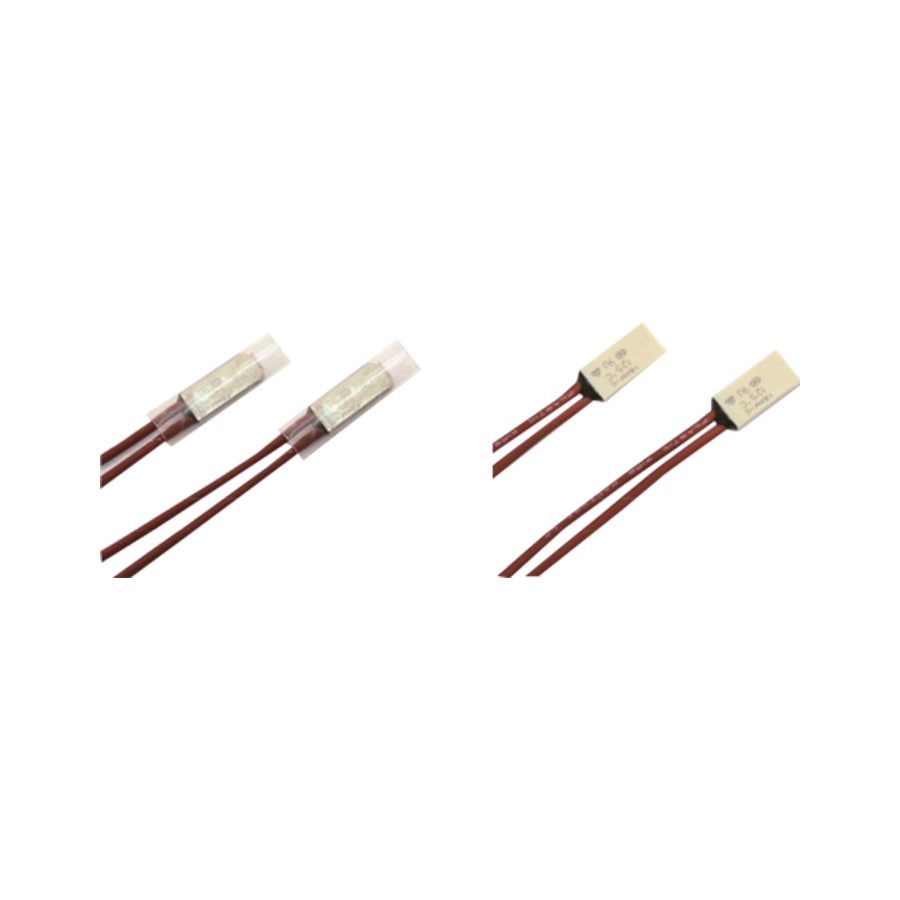
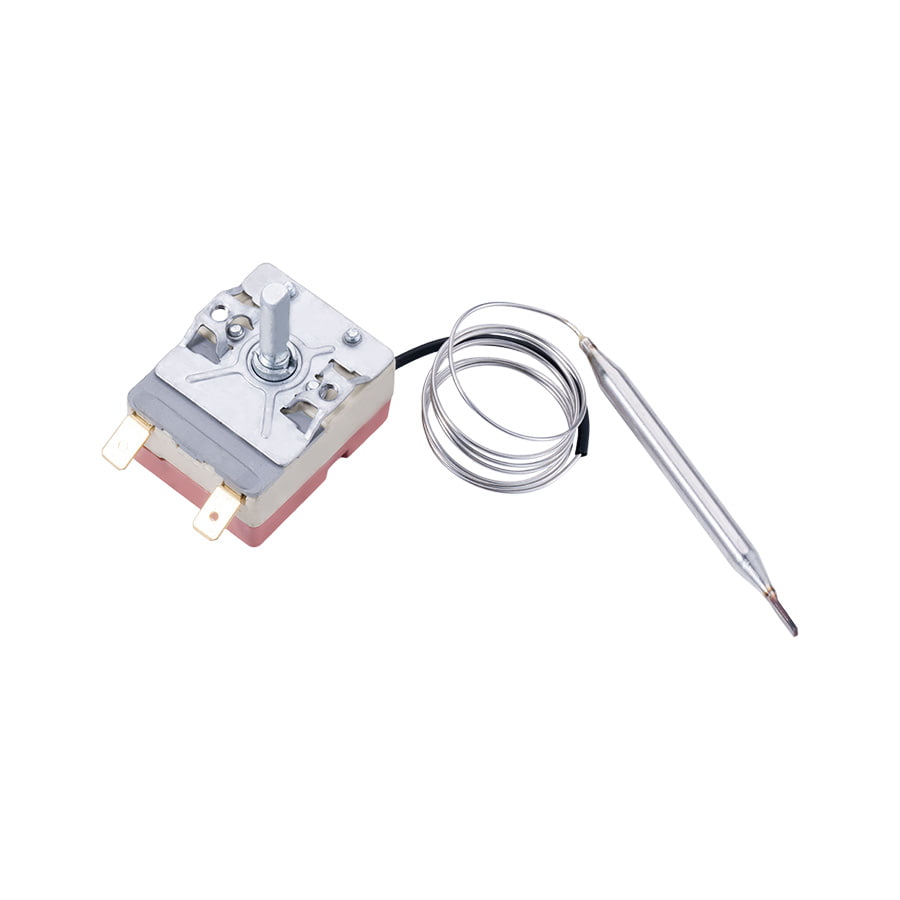
A thermal protector is a temperature-sensitive device designed to interrupt current flow or modify operation when heat levels rise beyond a defined threshold. Its primary purpose is to prevent damage to equipment components caused by prolonged exposure to elevated temperatures. Unlike cooling systems, which actively reduce heat, thermal protectors act as a safeguard by triggering a response such as shutting down a motor or opening a circuit.
Most thermal protectors are compact, cost effective, and designed for reliable operation across thousands of cycles. They are often embedded directly into electrical devices or installed in proximity to heat generating components.
Thermal protectors function by using materials that respond predictably to changes in temperature. The most common type relies on a bimetallic strip, composed of two metals with different expansion rates. As temperature rises, the strip bends, eventually moving enough to open or close an electrical contact. When the device cools, the strip returns to its original shape, restoring normal operation.
Other designs use temperature sensitive alloys, polymers, or electronic sensing circuits. Regardless of the mechanism, the core principle remains consistent: detect excess heat and act swiftly to protect the system.
Thermal protectors are applied wherever electrical components operate under load or generate heat. Their versatility makes them suitable for a wide range of environments.
In everyday appliances such as refrigerators, washing machines, and vacuum cleaners, thermal protectors ensure safe operation. Motors that drive compressors or pumps can overheat due to continuous use or mechanical resistance. A thermal protector halts current before winding insulation deteriorates, preventing permanent damage and reducing fire risk.
Automobiles contain multiple electrical motors and circuits that face harsh operating conditions. Window regulators, seat adjusters, and cooling fans often integrate thermal protectors. In these cases, the protector prevents overheating caused by extended use or mechanical obstructions, maintaining comfort and reliability without compromising safety.
In manufacturing and heavy industry, motors, pumps, and transformers handle demanding loads for extended periods. Thermal protectors embedded in these systems act as frontline defense, preventing costly breakdowns. A single overheated motor can halt production lines and result in significant financial losses. By responding to abnormal temperature rises, thermal protectors preserve both productivity and equipment longevity.
Devices such as chargers, speakers, and personal gadgets often use miniature thermal protectors. They help guard delicate circuits from the heat generated during charging or continuous usage. While users rarely notice their presence, these protectors ensure that portable electronics remain safe and dependable.
Solar inverters, wind turbine controls, and battery management systems require thermal stability for efficient performance. Thermal protectors contribute to these systems by preventing damage caused by overcurrent or elevated ambient temperatures, which are common in outdoor installations exposed to fluctuating conditions.
Thermal protectors provide a broad spectrum of advantages that extend beyond simple temperature control.
By preventing overheating, thermal protectors reduce risks of electrical fires and component failure. This is particularly vital in residential and automotive applications where safety cannot be compromised.
Electrical insulation, bearings, and circuit components degrade faster under high heat. By ensuring components remain within safe limits, thermal protectors help extend service life.
Many protectors are designed to reset automatically once temperatures return to normal. This feature allows equipment to resume operation without user intervention, minimizing downtime.
Thermal protectors are small and lightweight, making them suitable for integration even in compact devices where space is limited.
Compared with potential losses from equipment replacement or downtime, thermal protectors represent a highly economical solution.
Thermal protectors come in several configurations, each suited to specific requirements.
These protectors reset themselves when the device cools. They are common in applications where short interruptions are acceptable and continuous protection is required.
Some designs require manual intervention to restore operation after activation. This type is chosen when user awareness of the overheating event is necessary, such as in industrial equipment.
Unlike resettable protectors, thermal fuses operate only once. After activation, the fuse must be replaced. These are used in cases where absolute assurance of shutdown is critical.
These employ semiconductor sensors or integrated circuits to detect and respond to heat. They offer high precision and are increasingly used in advanced applications such as battery systems.
Choosing the correct thermal protector involves consideration of multiple factors.
The operating environment and component tolerance determine the set temperature. A protector must activate at a point that prevents damage but avoids unnecessary shutdowns.
Rapidly heating components require fast acting protectors. The physical placement of the device also influences its ability to sense temperature changes effectively.
Protectors must withstand the current and voltage of the application without deterioration. Ratings are carefully matched to ensure safe interruption of circuits.
Miniaturized electronics demand compact solutions. Selecting a protector that fits without compromising performance is essential.
Dust, vibration, humidity, and ambient temperature variations can affect performance. Devices installed in harsh environments must be designed with these factors in mind.
While thermal protectors are highly effective, they must be applied thoughtfully. Improper placement may result in delayed response, reducing effectiveness. Similarly, selecting a protector with a set temperature too close to normal operating levels can lead to nuisance tripping, frustrating users and reducing productivity. Engineers must strike a balance between safety, reliability, and convenience.
Another consideration is compatibility with modern energy efficient designs. As systems become smaller and more powerful, heat generation can concentrate in compact areas. Protectors must evolve to match these demands, often requiring higher sensitivity and precision.
 Category

 English
 中文简体
中文简体 عربى
عربى Español
 +86-13861233850