What is a Four-Way Junction Box?
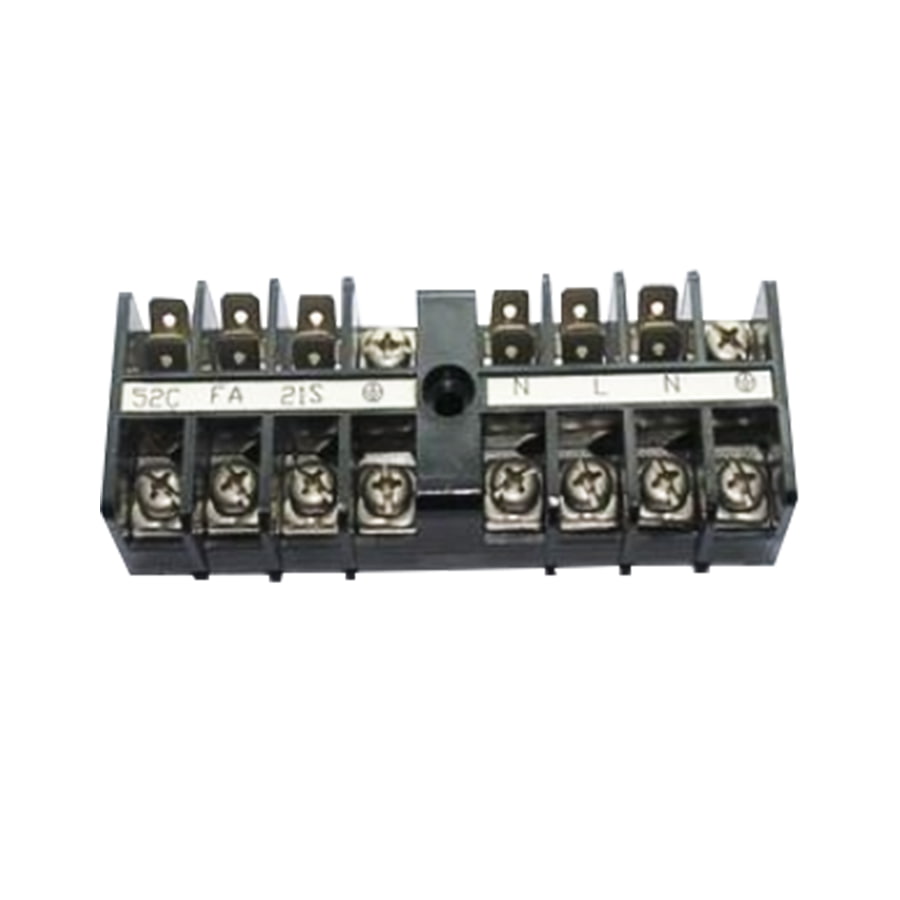
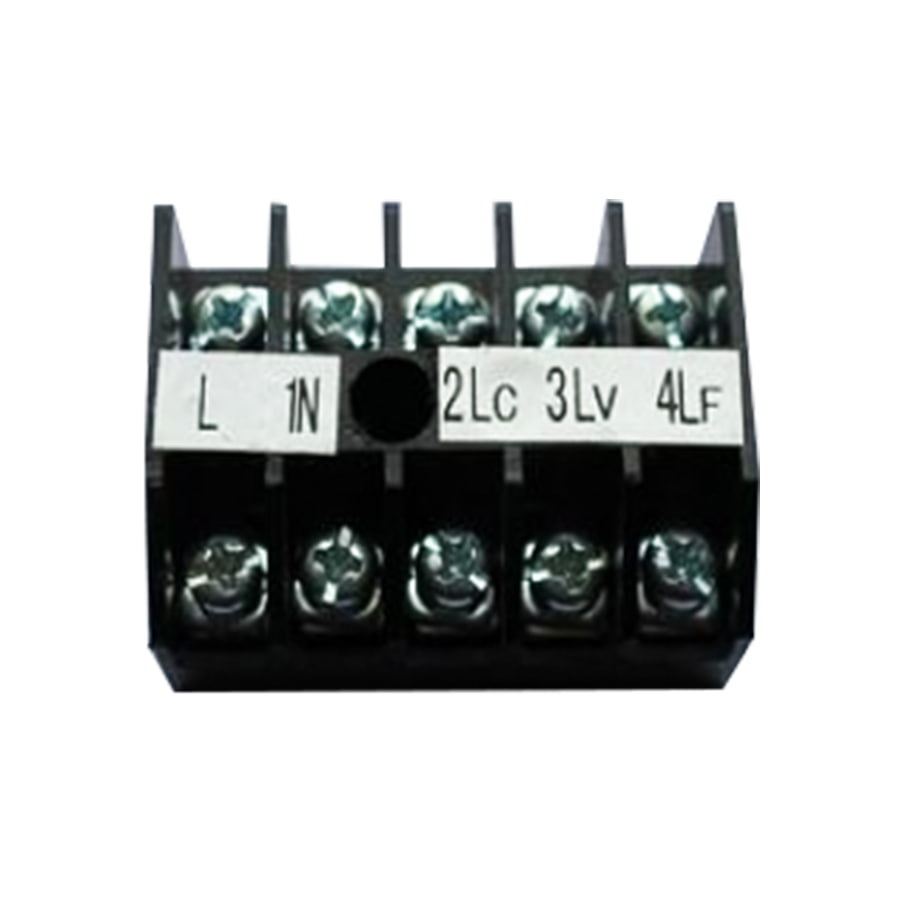
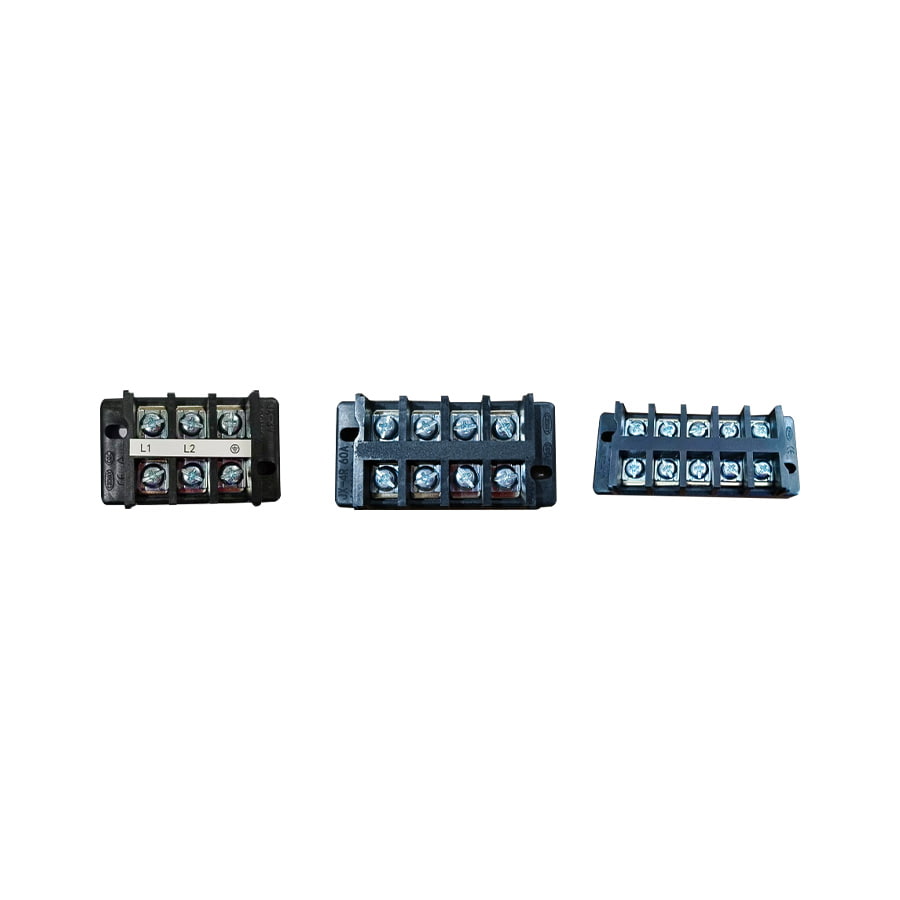
A four-way junction box is an electrical component used to connect multiple wires, offering a central point for organizing and distributing electrical circuits. This type of junction box is essential in applications where a wire needs to be split into multiple directions, providing safety and convenience in electrical installations.
Key Features of Four-Way Junction Boxes
Four-way junction boxes come with several features that enhance their functionality and durability. Here are some key aspects to consider:
- Made of high-quality materials such as metal or plastic to ensure robustness and resistance to environmental conditions.
- Compact design, suitable for both residential and commercial applications.
- Multiple entry points for wiring, allowing flexibility in routing electrical cables in various directions.
- Safety features like grounding screws and secure covers to prevent accidental electrical contact.
Applications of Four-Way Junction Boxes
Four-way junction boxes are commonly used in various electrical setups. Some of the most common applications include:
- In lighting circuits to direct power to multiple light fixtures from a single source.
- For connecting electrical outlets or switches, allowing for distribution of power to multiple devices.
- In commercial or industrial setups where complex wiring configurations are required.
- For outdoor installations, as these boxes are designed to withstand weather conditions and offer secure wire connections.
Installing a Four-Way Junction Box
Proper installation of a four-way junction box is essential for ensuring electrical safety and system efficiency. Here’s a step-by-step guide:
- Step 1: Turn off power to the circuit to avoid any electrical hazards during installation.
- Step 2: Choose an appropriate location for the box, ensuring accessibility and sufficient space for wiring.
- Step 3: Mount the junction box securely to a wall, ceiling, or other stable surface using screws or other appropriate fasteners.
- Step 4: Route the electrical wires into the box through the designated entry points. Ensure the wires are properly stripped and aligned.
- Step 5: Connect the wires to the appropriate terminals inside the junction box. Use wire nuts or terminal blocks to secure connections.
- Step 6: Close the junction box with its cover, ensuring the connections are securely contained and no wires are exposed.
Maintenance and Safety Tips
To ensure your four-way junction box remains effective and safe over time, consider the following maintenance and safety tips:
- Regularly inspect the box for any signs of wear or corrosion, especially in outdoor or industrial settings.
- Ensure that the box is properly sealed to prevent moisture from entering, which can cause short circuits or electrical fires.
- Always verify that wires are correctly connected and there is no loose wiring, which could lead to electrical malfunctions or fire hazards.
- If unsure about any part of the installation or maintenance process, seek professional assistance to ensure the electrical system remains safe and functional.
Conclusion
A four-way junction box plays a crucial role in modern electrical systems, offering a convenient and safe way to connect and distribute electrical circuits. Whether for residential, commercial, or industrial use, understanding its features, applications, and proper installation techniques will ensure optimal performance and safety. By following proper installation and maintenance guidelines, users can maximize the longevity and reliability of their junction box setup.

 2025-12-08
  Category

 English
 中文简体
中文简体 عربى
عربى Español
 +86-13861233850