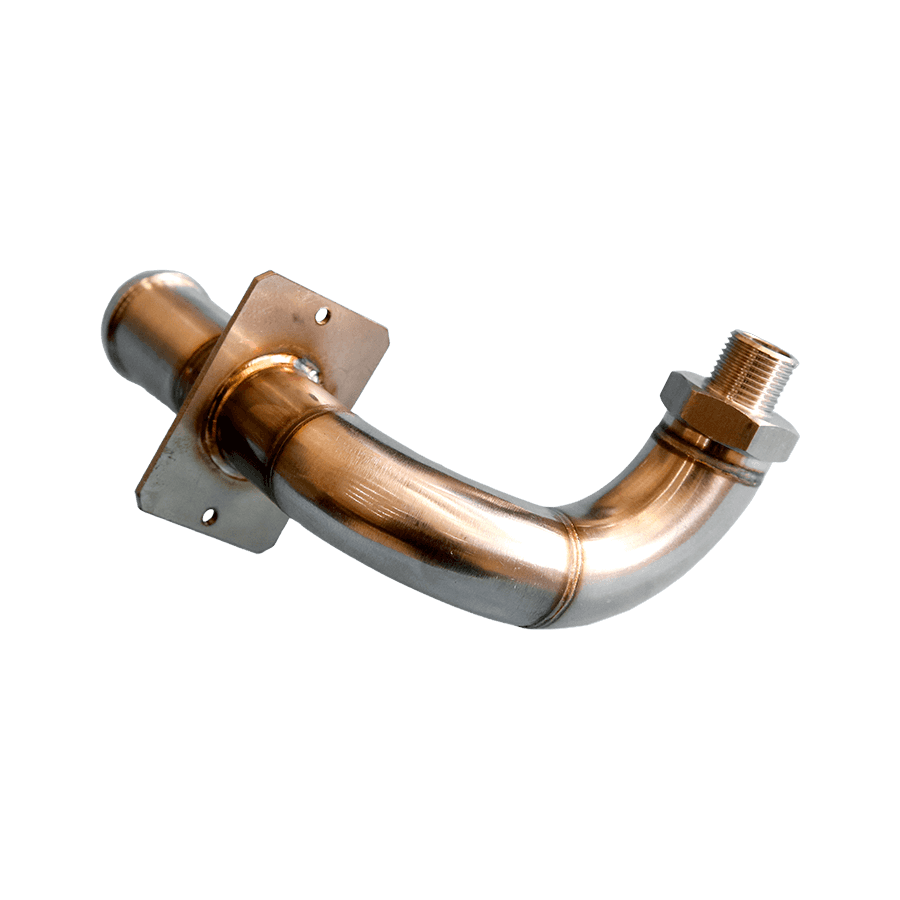
What is Custom CNC Machining?
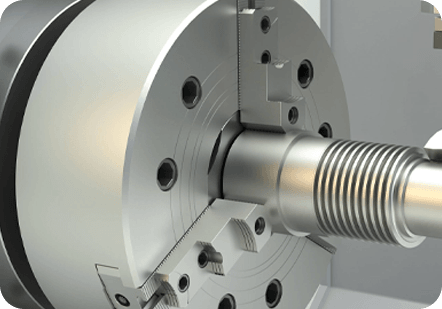
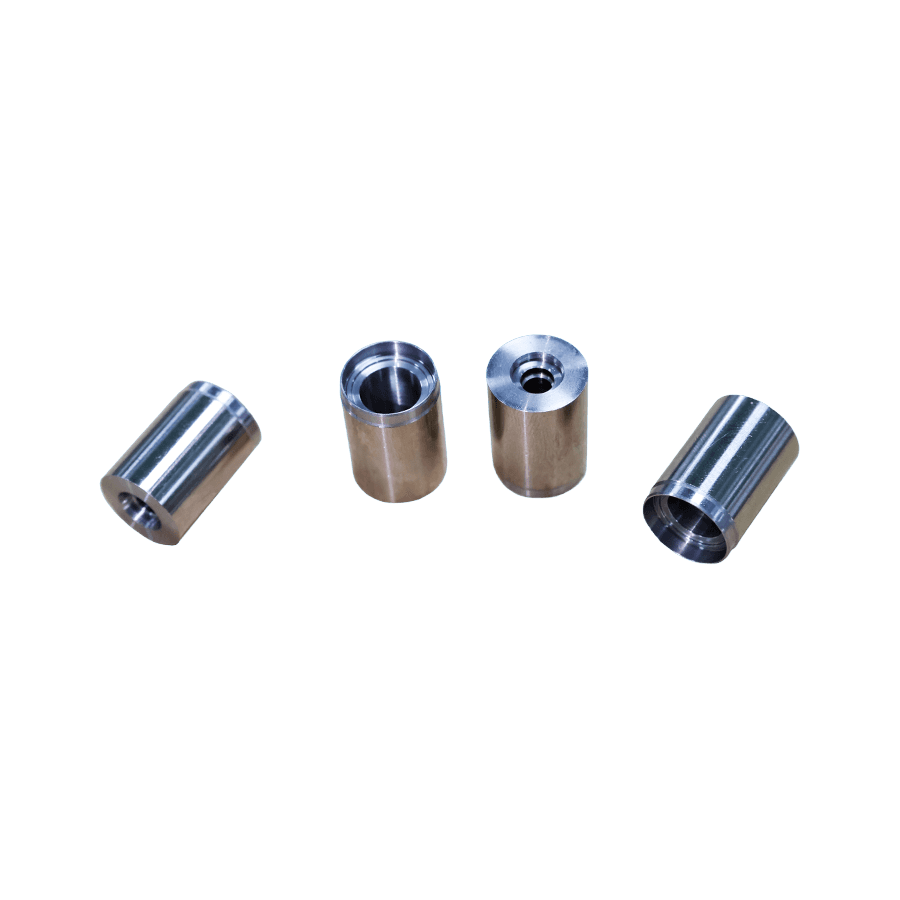
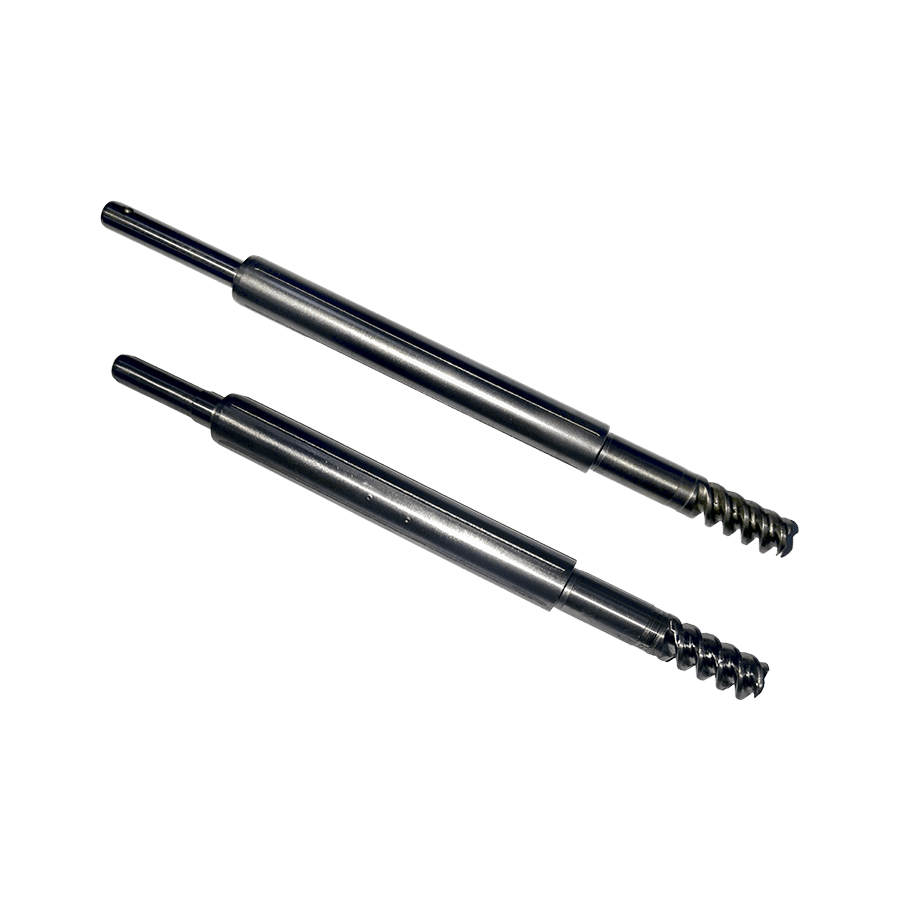
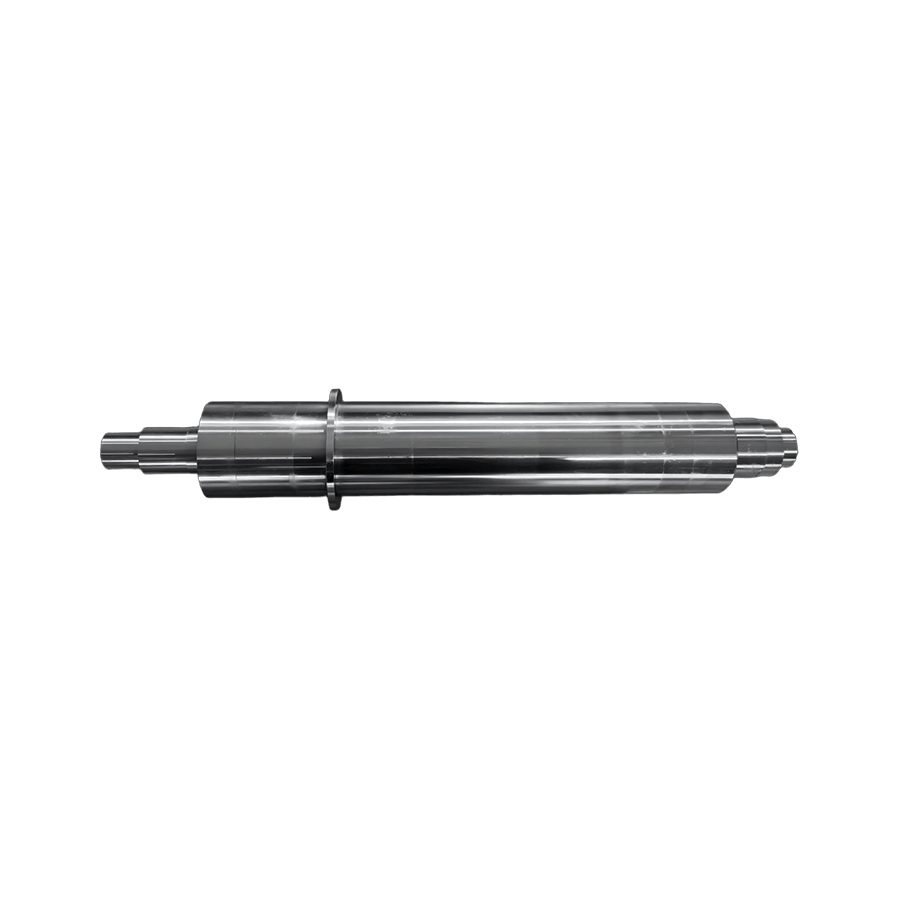
Custom CNC machining refers to the process of using computer-controlled machines to create precise, complex parts or components from a variety of materials. Unlike traditional machining methods, CNC (Computer Numerical Control) machines are able to produce intricate designs with high accuracy and repeatability, making them ideal for manufacturing customized parts.
These machines are programmed to follow specific paths, allowing manufacturers to control the speed, movement, and precision of the tool to create parts that meet exact specifications. As a result, CNC machining is widely used across various industries, including automotive, aerospace, medical, and electronics.
Advantages of Custom CNC Machining
Custom CNC machining offers numerous advantages for manufacturers looking to produce high-quality, precise components. Some key benefits include:
- High precision and repeatability in every part produced.
- Ability to create complex geometries that would be difficult or impossible with manual machining.
- Efficiency in terms of time and labor costs due to automation and reduced human error.
- Customizable for different materials such as metals, plastics, and composites.
- Flexible production capabilities, including small and large batch runs.
Applications of Custom CNC Machining
The versatility of custom CNC machining allows it to be used in a wide range of industries. Some common applications include:
- Aerospace: Producing lightweight yet strong parts like engine components, brackets, and fittings.
- Automotive: Manufacturing custom engine parts, transmission components, and suspension systems.
- Medical Devices: Creating implants, surgical tools, and prosthetics that require high precision.
- Electronics: Producing custom enclosures, connectors, and heat sinks for electronic devices.
How Custom CNC Machining Works
The process of custom CNC machining involves several stages, from design to final production:
- Design and Prototyping: The process begins with designing the component using CAD (Computer-Aided Design) software. A prototype may be created to verify the design's feasibility.
- Machine Setup: The CNC machine is set up with the necessary tools and materials. The machine is calibrated to ensure precision before production begins.
- Machining: The machine executes the programmed instructions, cutting or shaping the material to create the desired part. This can include operations such as milling, turning, and drilling.
- Finishing: After the part is machined, it may undergo additional processes like polishing, coating, or assembly to meet specific quality standards.
Factors to Consider When Choosing a Custom CNC Machining Factory
Selecting the right CNC machining factory is crucial for achieving high-quality, cost-effective results. Here are key factors to consider:
- Experience and Expertise: Choose a factory with proven experience in machining the materials and components relevant to your project.
- Quality Control: Ensure that the factory has stringent quality control processes to deliver parts that meet precise specifications.
- Turnaround Time: Consider the lead time required for the production and delivery of your parts.
- Cost-Effectiveness: Evaluate the pricing structure of the factory, ensuring it aligns with your budget while maintaining quality standards.
- Customer Service: A responsive customer service team can help address any concerns or revisions that arise during the machining process.
Quality Control in Custom CNC Machining
Maintaining strict quality control is vital in custom CNC machining to ensure that each part meets the required specifications. Quality control measures typically include:
- Inspection: Parts are inspected at various stages of production to check for any defects or deviations from the design.
- Testing: Some components may undergo functional testing to ensure they perform as expected under real-world conditions.
- Documentation: Detailed records are maintained for each part produced, ensuring traceability and accountability.
- Certifications: Many CNC machining factories hold certifications, such as ISO 9001, to demonstrate their commitment to quality.
Conclusion: The Importance of Custom CNC Machining
Custom CNC machining plays a crucial role in producing high-precision parts for various industries. With its ability to create complex designs, ensure repeatability, and deliver high-quality results, it has become an essential part of modern manufacturing. By choosing the right CNC machining factory, businesses can improve efficiency, reduce costs, and achieve superior product quality.
Investing in custom CNC machining is an effective way to enhance manufacturing processes and meet the growing demands for precision components.

 2025-12-15
  Category

 English
 中文简体
中文简体 عربى
عربى Español
 +86-13861233850