 2025-12-24
 Content
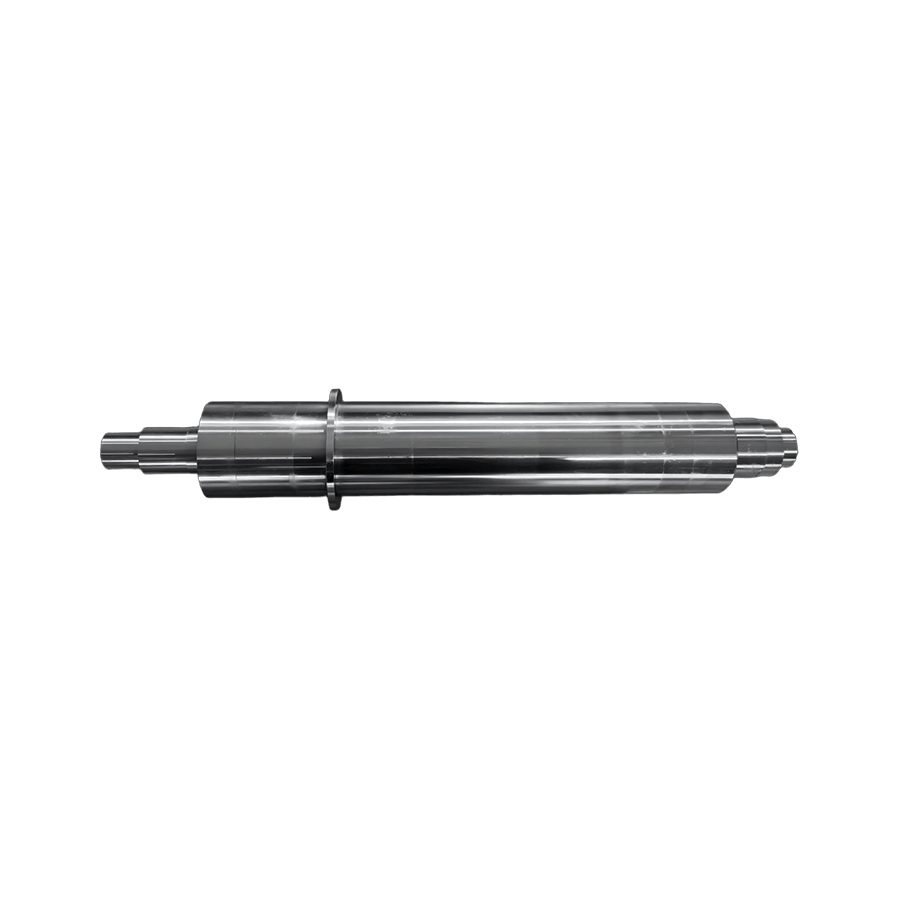
High-precision motor shafts are critical components in modern machinery, providing stability, efficiency, and accuracy in various industrial applications. Unlike standard motor shafts, these shafts are manufactured with extremely tight tolerances, ensuring minimal vibration, reduced wear, and enhanced performance. Their applications range from robotics and CNC machines to automotive and aerospace sectors. Understanding their role in improving industrial performance requires an in-depth look at design, material selection, manufacturing processes, and operational benefits.
The performance of a motor shaft depends heavily on its design. High-precision motor shafts incorporate several features to ensure durability and efficiency.
Tight tolerances reduce mechanical play, ensuring smooth rotation and consistent torque transmission. This minimizes vibration, reduces noise, and improves the lifespan of both the shaft and the motor bearings.
High-precision motor shafts are typically made from alloy steels, stainless steel, or titanium, depending on the application. These materials provide high strength-to-weight ratios, excellent fatigue resistance, and superior wear resistance. Some shafts undergo surface treatments like nitriding or chrome plating to enhance hardness and corrosion resistance.
Proper balancing is essential for shafts operating at high speeds. Unbalanced shafts can cause vibrations that reduce motor efficiency and damage connected components. Precision balancing ensures optimal rotational stability and reduces maintenance costs over time.
The manufacturing process plays a critical role in achieving the high precision required for motor shafts. Advanced machining techniques and quality control measures are employed to maintain exact specifications.
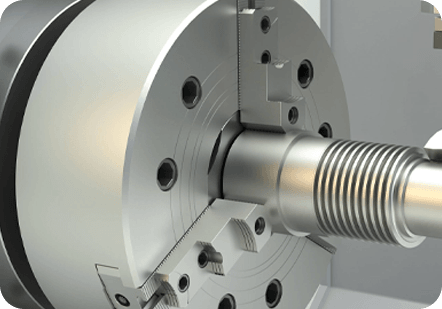
Computer Numerical Control (CNC) machines allow precise cutting, turning, and milling of shafts. CNC machining ensures consistent diameters, smooth surface finishes, and accurate threading or keyways, which are critical for proper motor integration.
Grinding and polishing processes improve surface smoothness and dimensional accuracy. These steps reduce friction and wear during operation, leading to higher efficiency and longer service life.
High-precision motor shafts undergo strict quality inspections, including roundness testing, straightness measurement, and hardness verification. Automated inspection systems ensure each shaft meets the required specifications before shipment.
High-precision motor shafts enhance performance across a wide range of industrial applications. Their advantages are tangible in efficiency, reliability, and long-term cost savings.
Robotic arms and automated machinery rely on precise motor shafts to achieve accurate positioning and repeatable motion. Any deviation in shaft alignment can lead to errors, reduced productivity, or even equipment damage.
In CNC machines, high-precision motor shafts ensure smooth rotation, minimal backlash, and exact tool movements. This translates into higher-quality products and consistent machining results.
Vehicles and aircraft require motor shafts that can endure high speeds, heavy loads, and temperature fluctuations. High-precision shafts improve engine performance, reduce vibration, and extend component lifespan.
The differences between high-precision and standard motor shafts highlight their importance in demanding applications.
| Feature | High-Precision Shaft | Standard Shaft |
| Tolerance | ±0.005 mm | ±0.05 mm |
| Surface Finish | <0.2 μm Ra | 1–2 μm Ra |
| Vibration | Minimal | Moderate |
| Lifespan | 10+ years | 5–7 years |
Maintaining high-precision motor shafts is crucial for long-term performance. Proper lubrication, alignment checks, and periodic inspections help prevent premature wear. Selecting compatible bearings and avoiding excessive loads can further extend operational life.
High-quality lubricants reduce friction and wear. Regularly applying the correct type of lubricant ensures the shaft maintains smooth rotation and minimizes heat generation.
Misaligned or unbalanced shafts can negate precision benefits. Routine alignment verification and rebalancing are essential to maintain optimal performance.
High-precision motor shafts play a pivotal role in enhancing industrial performance across multiple sectors. By offering tight tolerances, superior materials, and advanced manufacturing, they reduce vibration, improve efficiency, and extend the lifespan of machinery. Investing in high-precision shafts is a practical decision for industries seeking reliability, accuracy, and long-term cost savings. As industrial demands continue to evolve, the importance of high-precision motor shafts will only grow, solidifying their position as indispensable components in modern engineering.
 Category

 English
 中文简体
中文简体 عربى
عربى Español
 +86-13861233850