 2025-12-29
 Content
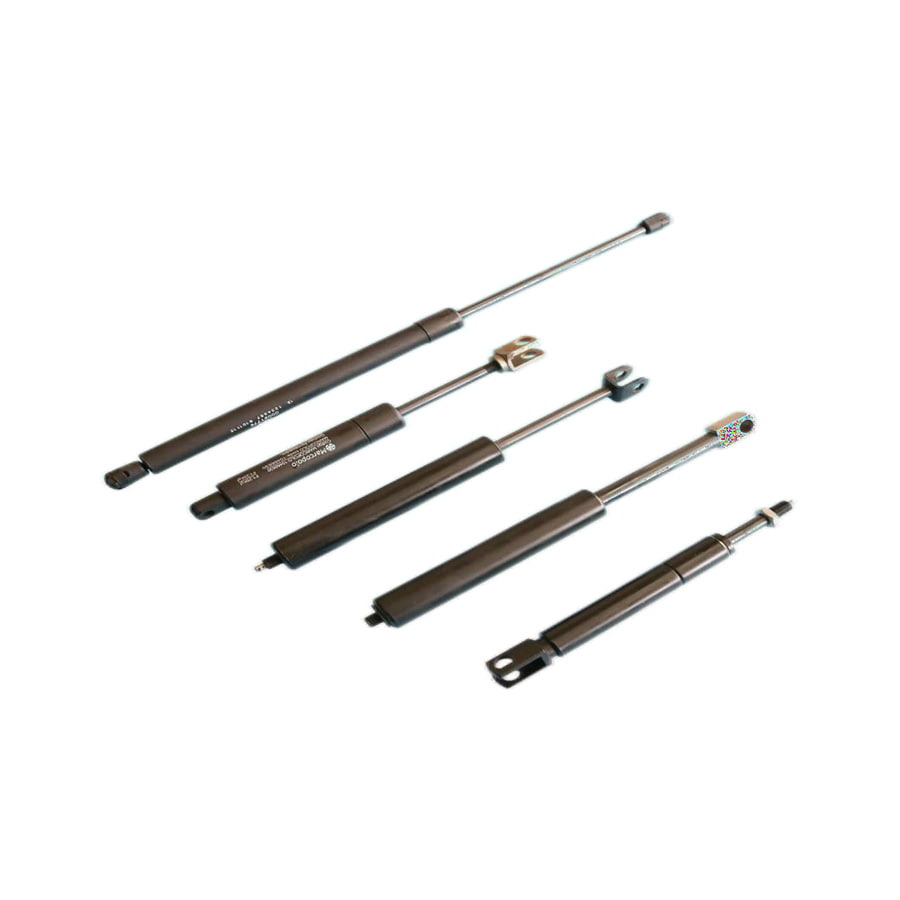
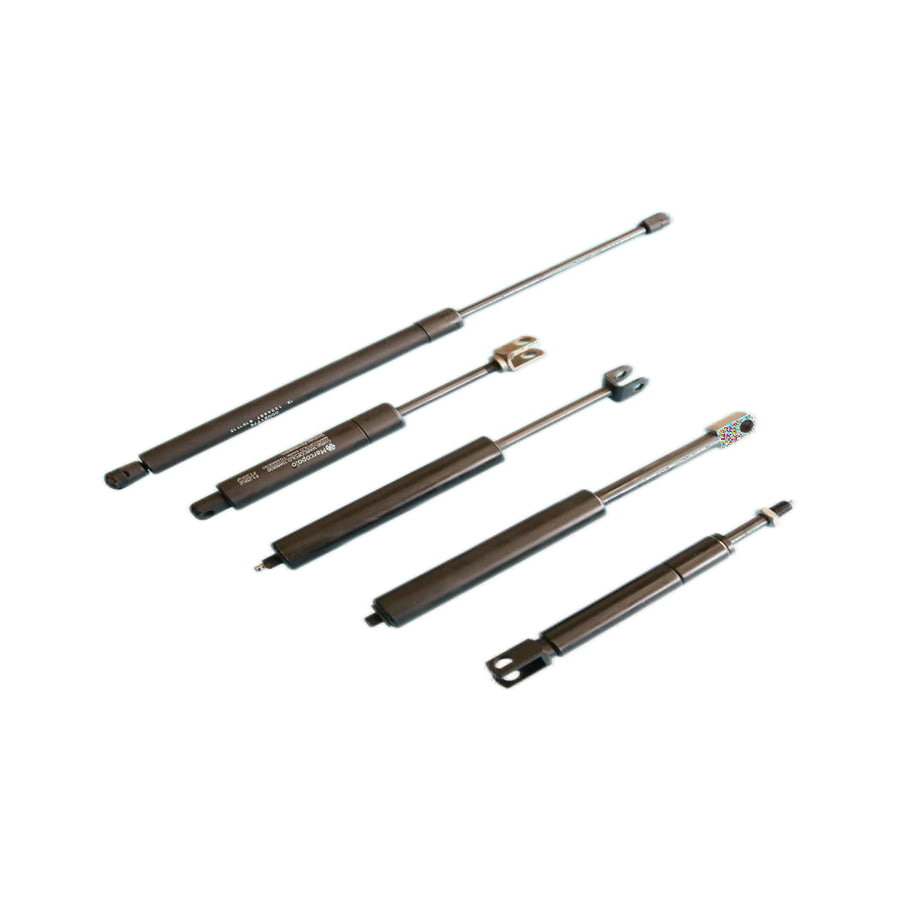
Gas springs, also known as gas struts or gas shocks, are mechanical devices that use compressed gas to exert a force, providing controlled motion and support in various applications. Unlike traditional mechanical springs, which rely solely on metal coil tension or compression, gas springs offer smoother operation, adjustable force, and enhanced durability. This article explores the advantages of gas springs over conventional mechanical springs, highlighting their performance, safety, maintenance, and versatility in industrial, automotive, and consumer applications.
One of the most significant advantages of gas springs is their ability to provide smooth and controlled motion. Traditional mechanical springs can exhibit abrupt force changes, leading to jerky or unpredictable movement. Gas springs, by contrast, offer consistent damping and a controlled extension or compression speed, making them ideal for applications where precision and smooth operation are critical.
Gas springs can be designed with adjustable force levels, allowing precise control of lifting, lowering, or counterbalancing loads. Mechanical springs generally have a fixed stiffness, which may require replacement or additional components to adjust performance.
Gas springs are generally more durable than traditional mechanical springs because they experience less wear from repeated friction and are protected from environmental degradation. This results in a longer service life and lower replacement frequency.
Gas springs are more compact than many traditional mechanical spring assemblies. They can be designed to fit into tight spaces while still providing significant force, making them ideal for modern machinery, automotive components, and ergonomic furniture.
Gas springs enhance safety in comparison to mechanical springs. Their controlled motion reduces the risk of accidental slamming or rapid movement that can injure users. Additionally, their predictable behavior allows for safer operation in heavy machinery and vehicles.
Gas springs require minimal maintenance compared to mechanical springs, which may need regular lubrication, tension adjustments, or replacement due to fatigue. Gas springs are typically sealed units with internal gas pressure, reducing the risk of wear or corrosion.
Gas springs are versatile and adaptable to a wide range of applications, offering significant advantages over mechanical springs in both industrial and consumer products.
Gas springs offer numerous advantages over traditional mechanical springs, including smooth motion, adjustable force, durability, compact design, enhanced safety, and low maintenance requirements. Their versatility allows for broad application across automotive, industrial, and consumer products. By selecting high-quality gas springs, manufacturers and users can improve product performance, extend operational life, and enhance user experience, making them a superior choice in modern engineering solutions.
 Category

 English
 中文简体
中文简体 عربى
عربى Español
 +86-13861233850