

 English
 中文简体
中文简体 عربى
عربى Español
 +86-13861233850
information to be updated
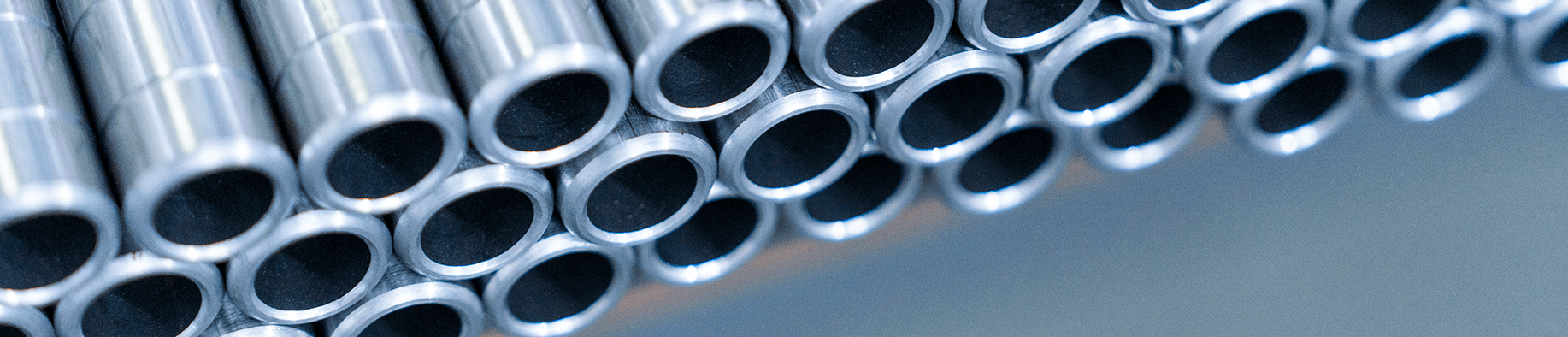
Numerical control (CNC) machine tools, a type of automated machining equipment controlled by computer programs, have revolutionized the manufacturing industry. Unlike traditional manual operations, CNC machines precisely control tool movement, speed, and feed rate according to pre-programmed instructions, enabling automated workpiece machining. The core advantages of this technology lie in its high precision and repeatability, making it capable of easily handling complex geometries and tight tolerances. This is crucial for precision-critical industries such as aerospace, medical devices, and precision electronics. From milling and turning to drilling, CNC machines can perform a wide range of machining tasks, and their automated nature significantly improves productivity and reduces human error.


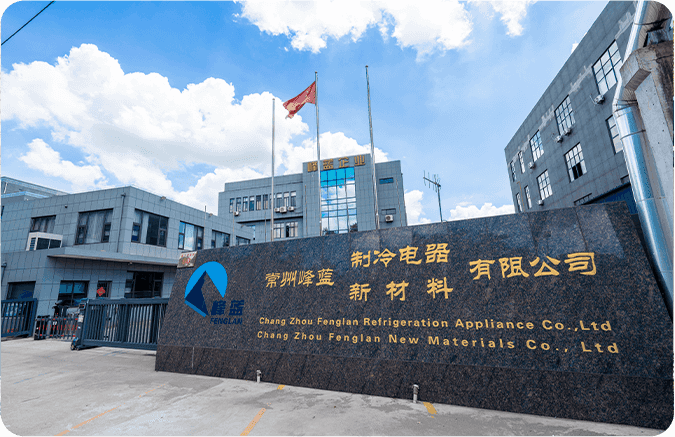


Modern Factory
Large-Scale Equipment
Self-Developed Milling Machines
Inspection Equipment

What Is a Low Temperature Thermostat and How Does It Work? A low temperature thermostat is a control device designed to monitor and regulate temperatures in environments that operate well below standard room temperature, typically ranging from just above freezing down to deep-freeze conditions. Unlike a standard househ...
READ MOREThe high temperature thermostat stands as a critical yet often underappreciated component in systems ranging from automotive powertrains to industrial processing plants, aerospace thermal management, and advanced energy generation. Unlike ordinary thermostats that operate within mild ambient ranges, high temperature va...
READ MOREWhat Precision Electrical Connector Terminals Actually Do Precision electrical connector terminals are the small metal components inside a connector that create the actual electrical contact point between a wire and a mating connector, circuit board, or component. While connector housings get most of the visual attenti...
READ MOREThe Importance of High-Precision CNC Components in Modern Manufacturing
In today’s competitive manufacturing landscape, the demand for high-precision components has never been greater. High-precision CNC (Computer Numerical Control) components are crucial to the success of many industries, from aerospace and automotive to electronics and medical devices. These components are created using advanced machining technologies that allow for incredibly tight tolerances, ensuring that every part meets the exact specifications required for optimal performance.
Why High-Precision Matters
High-precision components are essential for achieving superior performance and reliability. In sectors like aerospace, even the slightest deviation in part dimensions can lead to catastrophic failure. Components like turbine blades, aircraft landing gear, or precision gears rely on extreme accuracy to function as intended. Without CNC precision, manufacturing these parts would be virtually impossible, or at best, inefficient.
Moreover, high-precision components are often required to work in environments with extreme conditions—such as high temperatures, pressure, or vibrations—making quality control and consistency paramount. These components must maintain their integrity over time and under stress, which is only achievable through top-tier CNC machining techniques.
Industries That Rely on High-Precision CNC Components
Aerospace – Components like engine parts, fuel systems, and structural elements require precision to ensure safety and performance.
Automotive – High-precision parts such as fuel injectors, valve components, and transmission systems are vital for performance and durability.
Medical Devices – CNC components are used in surgical instruments, implants, and diagnostic devices, where precision directly affects patient outcomes.
Electronics – In the production of semiconductor devices, connectors, and other delicate electronic components, precision is essential for functionality.
Benefits of High-Precision CNC Machining for Industrial Parts
Tight Tolerances: Achieving the exact dimensions needed for parts to fit and function properly.
Increased Efficiency: Higher precision leads to fewer defects, reducing scrap and rework costs.
Better Performance: Ensuring parts work as intended, even under extreme conditions.
Customization: High-precision CNC allows for complex geometries and custom designs tailored to specific needs.
Choosing the Right CNC Machining Service for Your Business
When it comes to manufacturing high-quality components, selecting the right CNC machining service provider can make or break your business. Whether you're in need of precision parts for aerospace, automotive, or medical industries, understanding how to choose the best CNC machining service is essential for ensuring both cost-effectiveness and product quality.
Factors to Consider When Choosing a CNC Machining Service
Technical Expertise
The complexity of your project will often determine the level of expertise required. Some CNC machining companies specialize in certain industries or types of components, while others may offer a broad range of services. Look for a provider with a proven track record in the specific materials, tolerances, and production methods you need.
Machinery and Technology
CNC machining involves various types of equipment, from lathes and milling machines to advanced multi-axis machines. Make sure the provider has the right equipment to handle your project’s requirements, particularly if you need high-precision or complex parts. Advanced technology like 5-axis machining or automated inspection systems can significantly enhance accuracy and reduce production time.
Quality Control and Certifications
A reputable CNC machining service should have a solid quality control system in place. Check if they have relevant certifications such as ISO 9001 or AS9100, which demonstrate their commitment to consistent quality. In addition, inquire about their inspection processes—do they use tools like CMM (Coordinate Measuring Machines) for precise quality assurance?
Turnaround Time
Time is money in the manufacturing world. Depending on the urgency of your project, the ability to meet deadlines can be a deciding factor. Find out the company's lead time, and ask about their capacity to handle rush orders without compromising quality.
Cost Considerations
While it's important to stay within budget, avoid selecting a service solely based on the lowest price. A cheaper service may cut corners on quality or fail to meet your required tolerances. Look for a provider that offers competitive pricing without sacrificing precision or customer service.
Customer Support
Having reliable customer support throughout the project is crucial. A good CNC machining service should be responsive to inquiries, proactive in communicating potential issues, and transparent about the progress of your order. This helps to ensure the smooth and efficient completion of the project.

Fenglan is Custom CNC Machining Factory China, Small-batch CNC Machining OEM. Your Reliable Partner in Parts and Components Manufacturing since 2010
 Tel: +86-13861233850
  E-mail: [email protected]
  Add: No.60, East Zhuanghe Road, Chunjiang Town, Wei Village, Xinbei District, Changzhou City, China

