 2025-09-25
 Motion control is a fundamental requirement in modern engineering, design, and product development. Whether in industrial machinery, medical equipment, automotive systems, or everyday furniture, there is a constant need for mechanisms that regulate movement with accuracy and ease. Among the many technologies that contribute to this goal, adjustable gas springs stand out as versatile and reliable components. By providing controlled force and smooth operation, they help ensure precision in applications where movement must be consistent, safe, and user friendly.
Content
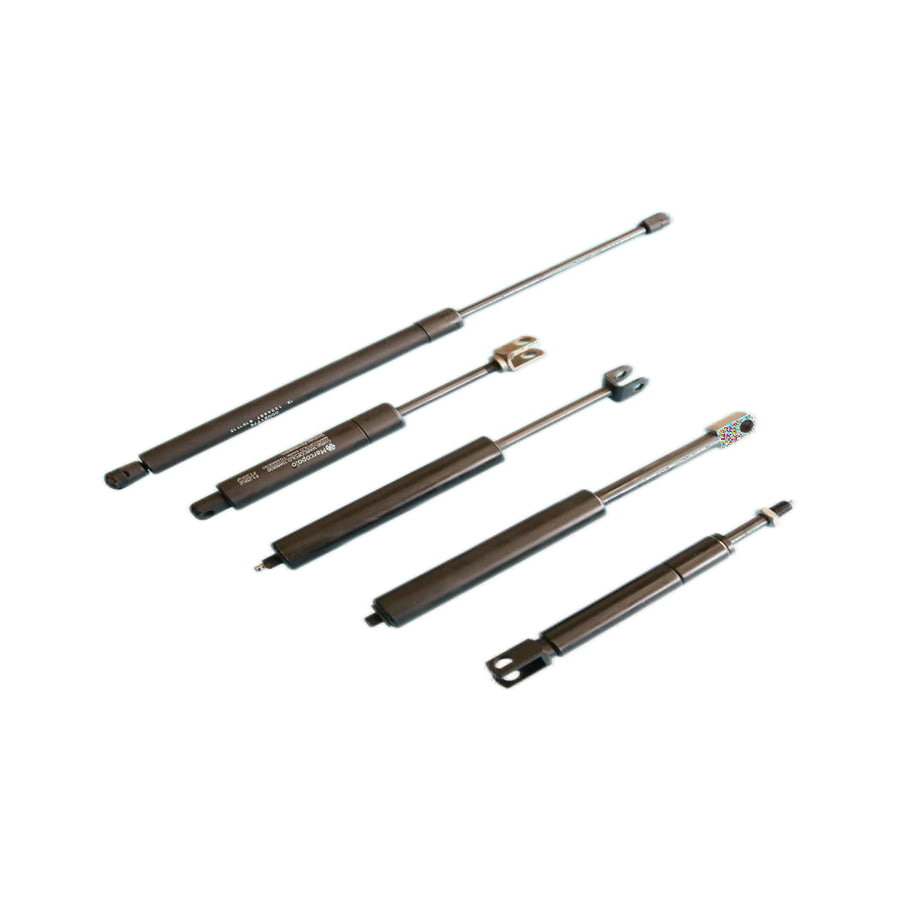
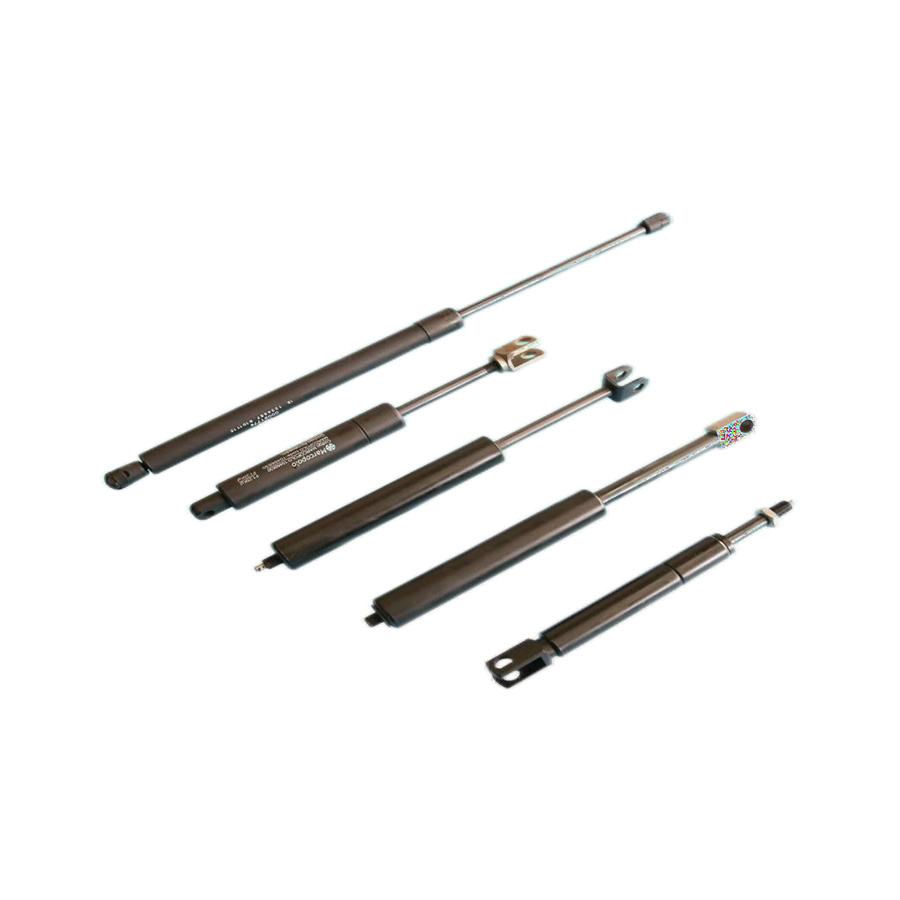
A gas spring is a sealed cylinder filled with compressed gas and equipped with a piston that moves under applied force. When adjusted, the gas pressure inside can be tailored to deliver the required level of force for a given task. Unlike traditional mechanical springs that rely on the elasticity of metal, gas springs use compressed nitrogen gas as the driving medium. This design not only reduces wear but also provides smoother, more predictable motion.
The adjustable variant allows fine tuning of pressure, meaning the same component can be adapted to different load requirements. This capability makes them particularly valuable in scenarios where motion control must balance flexibility, accuracy, and safety.
One of the most important contributions of adjustable gas springs is their ability to deliver precise, repeatable motion. Precision is critical in industries where even small deviations can cause inefficiencies or safety risks. Gas springs achieve this through the regulated flow of gas between chambers in the cylinder, ensuring that motion is gradual, controlled, and consistent.
This predictability reduces sudden jerks or uncontrolled movement, making them ideal for applications that demand accuracy, such as medical instruments, laboratory equipment, or industrial machinery. In these contexts, precise motion control is not a luxury but a necessity.
Safety and ergonomics go hand in hand with motion control. Adjustable gas springs contribute by reducing the physical effort required to move heavy or awkward components. For instance, in workplace furniture like adjustable desks or chairs, the ability to fine tune the motion allows users to customize comfort without sudden movements that might cause strain.
In medical applications, adjustable gas springs support the controlled positioning of beds, examination tables, and diagnostic machines. By offering precise control, they reduce the risk of sudden drops or uncontrolled adjustments, thereby protecting both patients and operators. The same principle applies to industrial settings, where workers benefit from reduced strain and safer equipment operation.
The adaptability of adjustable gas springs makes them a universal tool for motion control. They can be found in a wide array of applications, each benefiting from their ability to deliver tailored force and controlled motion.
Automotive Systems: Adjustable gas springs are used in hoods, tailgates, and seating systems to ensure smooth and predictable operation.
Industrial Machinery: Heavy covers, panels, and access points can be managed with controlled force, preventing accidents and reducing equipment wear.
Furniture and Office Equipment: Height adjustable desks, ergonomic chairs, and cabinetry all use gas springs to provide smooth adjustment.
Medical and Laboratory Equipment: From hospital beds to specialized instruments, precise motion control is indispensable.
The common thread across these applications is the need for consistent, reliable, and precise motion—an area where adjustable gas springs excel.
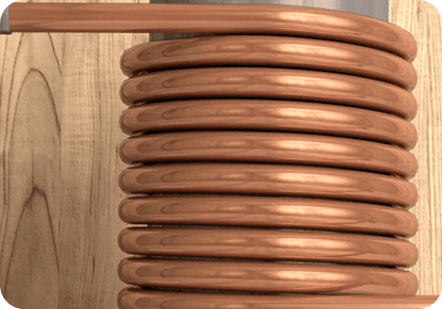
When compared with traditional coil springs, adjustable gas springs provide a higher level of control and customization. Coil springs generate force based solely on material elasticity, which cannot be easily modified without replacing the spring. Gas springs, by contrast, allow tuning of internal pressure, making them adaptable to a variety of loads without the need for entirely new components.
This flexibility not only saves time and resources but also contributes to more efficient product design. Engineers can incorporate adjustable gas springs into their systems knowing that the force requirements can be fine tuned after installation.
Another important aspect of precise motion control is its effect on equipment longevity. Uncontrolled or uneven movements often place undue stress on mechanical parts, leading to premature wear and damage. Adjustable gas springs mitigate these risks by ensuring that movement is gradual and evenly distributed.
For example, in machinery with heavy access panels, the use of adjustable gas springs prevents panels from slamming shut, protecting hinges, seals, and other components. Over time, this translates into reduced maintenance costs and longer equipment life.
Energy efficiency is an increasingly important factor in engineering. Adjustable gas springs support this goal by minimizing the energy required to move loads. Since they provide counterbalance force, they reduce the amount of manual or motor-driven effort needed to lift or hold objects.
This efficiency not only saves energy in automated systems but also improves usability in manual applications. For users, it means less effort is required to perform routine adjustments, while for manufacturers it means less strain on power-driven systems.
The hallmark of adjustable gas springs lies in their tunability. Unlike fixed-pressure springs, they can be adjusted to provide just the right amount of force for the task at hand. This customization ensures that motion is neither too fast nor too slow, neither too weak nor too strong.
Such fine tuning is critical in applications like medical equipment, where patient safety depends on the exact positioning of beds or instruments. It is equally important in precision manufacturing, where even minor inconsistencies in movement can disrupt workflows or compromise product quality.
As industries move toward more advanced and automated systems, the demand for precise motion control will only increase. Adjustable gas springs are likely to evolve in parallel, with innovations focused on improved durability, greater adjustability, and integration with digital monitoring systems.
The incorporation of sensors, for example, could allow real time feedback on motion characteristics, enabling even more precise adjustments. Such developments will further strengthen their role in motion control technologies of the future.
Adjustable gas springs occupy a unique position in the field of motion control. Their ability to combine smooth, predictable movement with adaptable force makes them invaluable across a wide range of applications. From medical equipment to automotive systems, from industrial machinery to everyday furniture, they support precise motion control that enhances safety, ergonomics, and efficiency.
By reducing wear, improving energy efficiency, and offering customizable performance, adjustable gas springs are not just supporting components—they are enablers of innovation and reliability. As industries continue to prioritize precision and safety, their role in motion control is set to expand even further.
 Category

 English
 中文简体
中文简体 عربى
عربى Español
 +86-13861233850