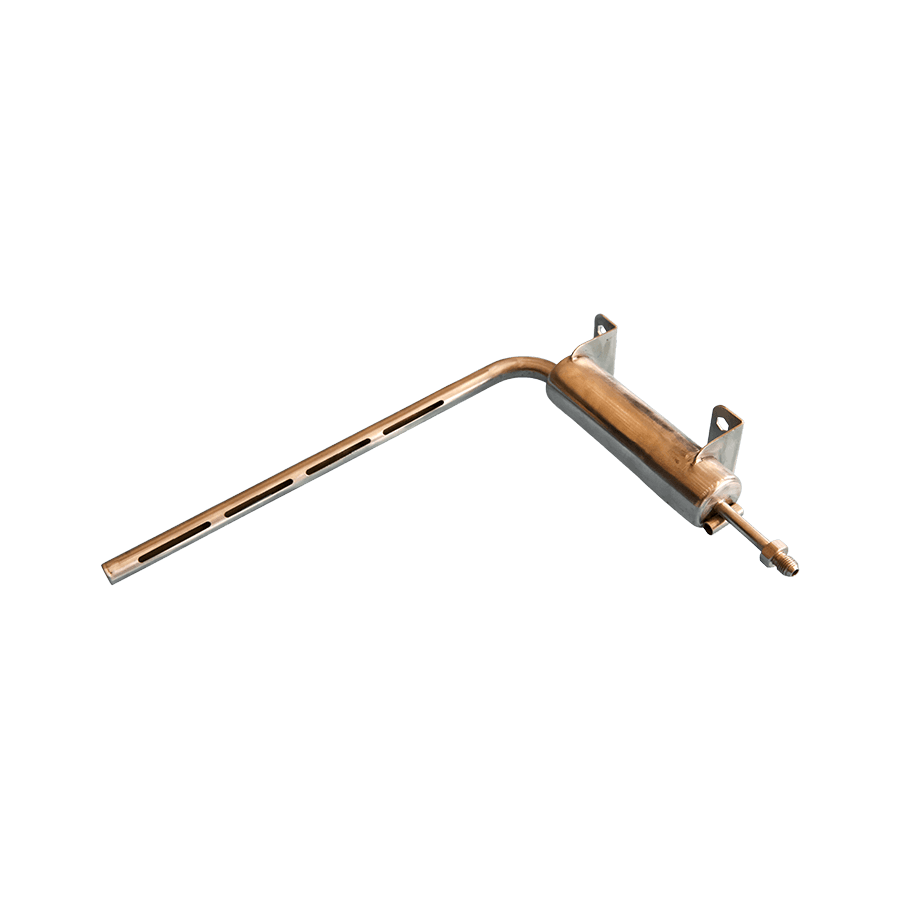
Introduction: The Role of Thermal Protectors in Consumer Electronics
Thermal protectors play a vital role in ensuring the safety and longevity of modern consumer electronics. These components are designed to prevent overheating by automatically interrupting the power supply when temperatures exceed a certain threshold. As consumer electronics become more advanced, integrating reliable thermal protection systems is crucial to prevent damage, enhance efficiency, and meet safety standards. In this article, we will explore how thermal protectors are integrated into modern electronics, their benefits, and best practices for their implementation.
What Are Thermal Protectors and How Do They Work?
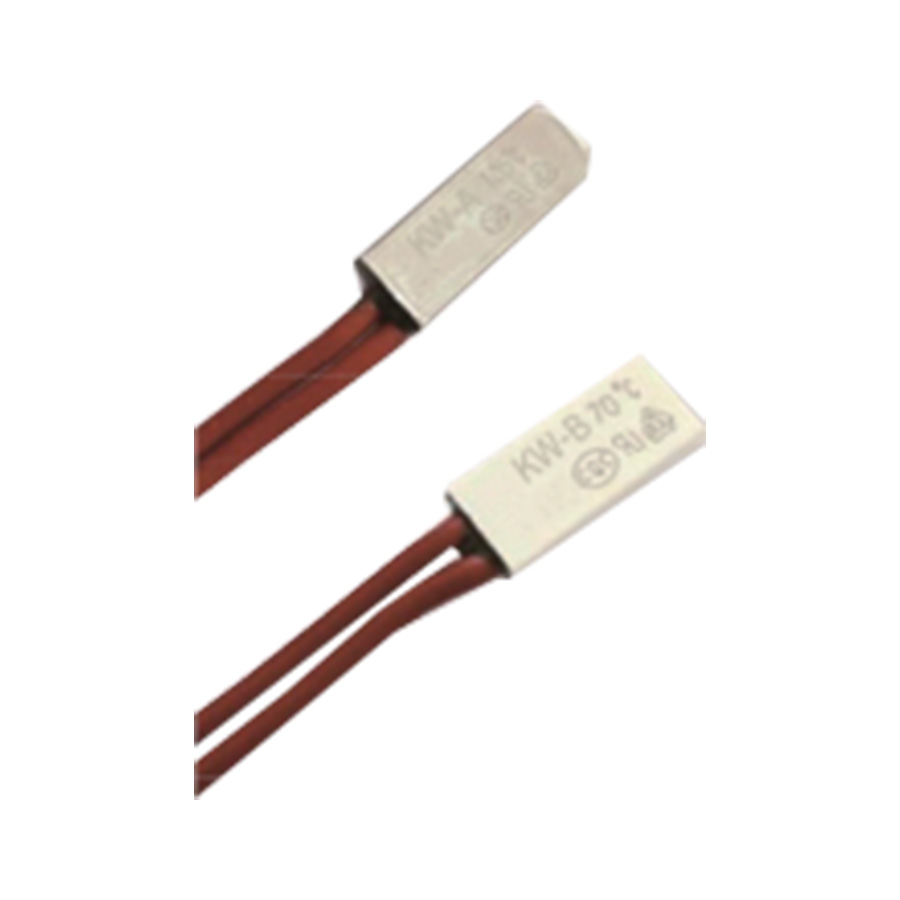
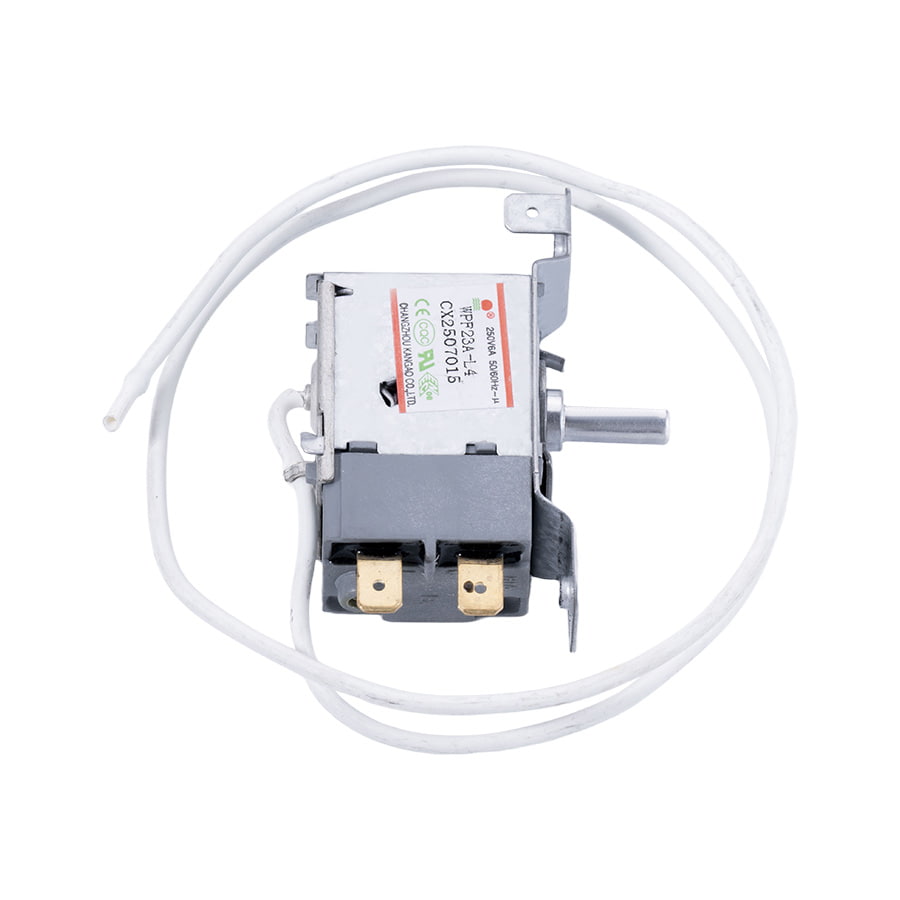
Thermal protectors are devices that monitor and regulate the temperature within electronic systems. When the internal temperature of an appliance or device exceeds a preset limit, the thermal protector interrupts the current flow, preventing further heating and potential damage. Once the temperature returns to a safe range, the protector resets, allowing normal operation to resume. These protectors are often integrated into critical components, such as motors, transformers, or power supplies, to safeguard the entire system.
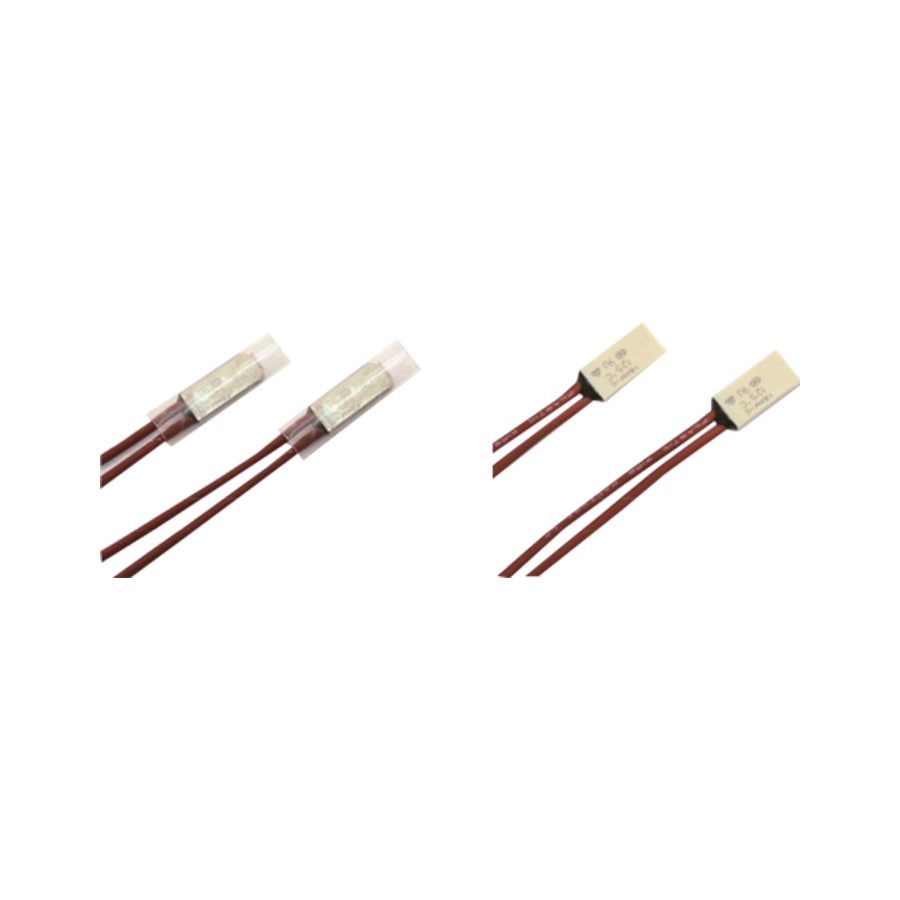
- Types of Thermal Protectors: There are various types of thermal protectors, including bimetallic, thermal fuses, and PTC (Positive Temperature Coefficient) thermistors, each offering different levels of protection based on the application.
- Working Mechanism: A thermal protector detects excessive heat and cuts off the power supply, either by opening a contact or changing the resistance in the circuit, preventing overheating and potential hazards.
- Resetting Mechanism: Some thermal protectors automatically reset once the temperature cools down, while others require manual intervention to restore normal function.
Why Is It Important to Integrate Thermal Protectors in Modern Electronics?
As consumer electronics evolve, the demand for more compact, powerful, and efficient devices increases. This has led to a rise in power density, making electronic devices more prone to heat-related issues. Without proper thermal management, excessive heat can damage sensitive components, reduce lifespan, and lead to catastrophic failures. Therefore, integrating thermal protectors is essential to mitigate these risks and ensure device safety, reliability, and performance.
- Prevention of Overheating: Thermal protectors act as a fail-safe to stop overheating, preventing irreversible damage to internal components.
- Ensuring Longevity: By keeping the operating temperature within safe limits, thermal protectors extend the lifespan of electronics, reducing the need for repairs or replacements.
- Improved Consumer Safety: With increasing concerns about safety, especially in portable electronics, thermal protectors help reduce the risk of fires, burns, or electrical hazards.
Thermal Protectors in Everyday Consumer Electronics
Thermal protectors are found in a wide variety of modern consumer electronics, from smartphones and laptops to kitchen appliances and power tools. Let’s take a closer look at how they are integrated into some common devices:
- Smartphones: Thermal protectors are embedded in smartphone batteries and processors to prevent overheating during charging, heavy use, or high-performance tasks. They ensure that the device operates safely even during demanding conditions.
- Laptops: Modern laptops are equipped with thermal protectors in their CPUs and GPUs, safeguarding against overheating during extended use or when running resource-intensive applications like gaming or video editing.
- Kitchen Appliances: Home appliances such as refrigerators, microwaves, and blenders feature thermal protectors to prevent motor burnouts and ensure safe operation in high-temperature environments.
- Power Tools: Electric drills, saws, and other power tools often incorporate thermal protectors to safeguard motors from overheating, particularly in heavy-duty applications.
Challenges in Integrating Thermal Protectors in Electronics
While thermal protectors are crucial for ensuring safety and performance, their integration into modern consumer electronics comes with several challenges. Manufacturers must carefully consider the design, cost, and effectiveness of these protectors to meet the specific needs of their products. Some of the key challenges include:
- Space Constraints: As electronics become more compact, finding space to integrate thermal protection can be difficult. Thermal protectors must be small enough to fit within the tight confines of modern devices.
- Cost Considerations: High-quality thermal protectors may increase the overall cost of production. Manufacturers need to balance safety with cost-effectiveness, ensuring that the added protection does not price the product out of reach for consumers.
- Accuracy and Reliability: Thermal protectors must accurately detect temperature fluctuations to avoid false triggers or failure to intervene in overheating situations. The precision of these components is critical to ensuring proper function.
Advancements in Thermal Protection Technology
The growing need for more efficient and reliable thermal management in modern electronics has led to advancements in thermal protection technology. Some of the most notable developments include:
- Smart Thermal Protectors: These devices integrate advanced sensors and microcontrollers to monitor temperatures more precisely and adjust the protection mechanism dynamically, offering better performance and energy efficiency.
- Miniaturization: Manufacturers are continuously developing smaller, more compact thermal protectors that can be easily integrated into miniature electronics without compromising functionality.
- Self-Resetting Protectors: New designs feature self-resetting thermal protectors that automatically resume normal operation once the temperature stabilizes, without requiring manual intervention from users.
Best Practices for Integrating Thermal Protectors in Electronics
To ensure that thermal protectors function optimally within modern consumer electronics, manufacturers should follow best practices during product design and development:
- Optimal Placement: Place thermal protectors close to heat-generating components such as processors or motors, ensuring accurate temperature monitoring.
- Testing and Validation: Conduct thorough testing to validate the performance of thermal protectors under different temperature conditions and usage scenarios.
- Compliance with Standards: Ensure that thermal protectors meet relevant safety standards and certifications, such as UL or CE, to guarantee their reliability and performance.
Conclusion: Enhancing Electronics Safety with Thermal Protectors
Thermal protectors are essential components in the design of modern consumer electronics, ensuring that devices operate safely and efficiently by preventing overheating. With the increasing complexity and power demands of today’s electronics, integrating reliable thermal protection is more important than ever. By addressing challenges such as space constraints, cost, and accuracy, and by utilizing advancements in technology, manufacturers can enhance the safety, performance, and longevity of their products. As consumer expectations continue to rise, incorporating high-quality thermal protection will remain a key factor in creating devices.

 2026-01-19
  Category

 English
 中文简体
中文简体 عربى
عربى Español
 +86-13861233850