 2026-01-13
 Content
Connecting terminals are small components, but they play a decisive role in almost every electrical system. From household wiring and industrial control panels to power distribution cabinets and smart devices, terminals are the points where conductors meet, signals pass, and power flows reliably. Without properly designed and installed connecting terminals, even the most advanced electrical equipment would struggle to operate safely or consistently.
Their importance often goes unnoticed because they are usually hidden inside enclosures or panels. Yet many electrical failures can be traced back to poor terminal connections, such as loose contacts, corrosion, or mismatched materials. Understanding how connecting terminals work helps engineers, installers, and even end users appreciate why these components are often called the unsung heroes of electrical connections.
Connecting terminals are devices designed to join electrical conductors securely and efficiently. They provide a controlled interface between wires, cables, or conductive parts, ensuring stable electrical contact while maintaining mechanical strength. Depending on their design, terminals may be permanent or removable, allowing for maintenance, testing, or future expansion.
Most connecting terminals consist of a conductive metal body, often made from copper or copper alloys, and an insulating housing that protects users from accidental contact. Some designs also include springs, screws, or clamping mechanisms to maintain consistent pressure on the conductor over time.
At their core, connecting terminals perform several essential functions that keep electrical systems running smoothly. These functions go beyond simply holding wires together and directly affect safety, performance, and service life.
Connecting terminals come in many forms, each designed for specific applications and installation requirements. Selecting the right type is essential to ensure electrical reliability and compliance with standards.
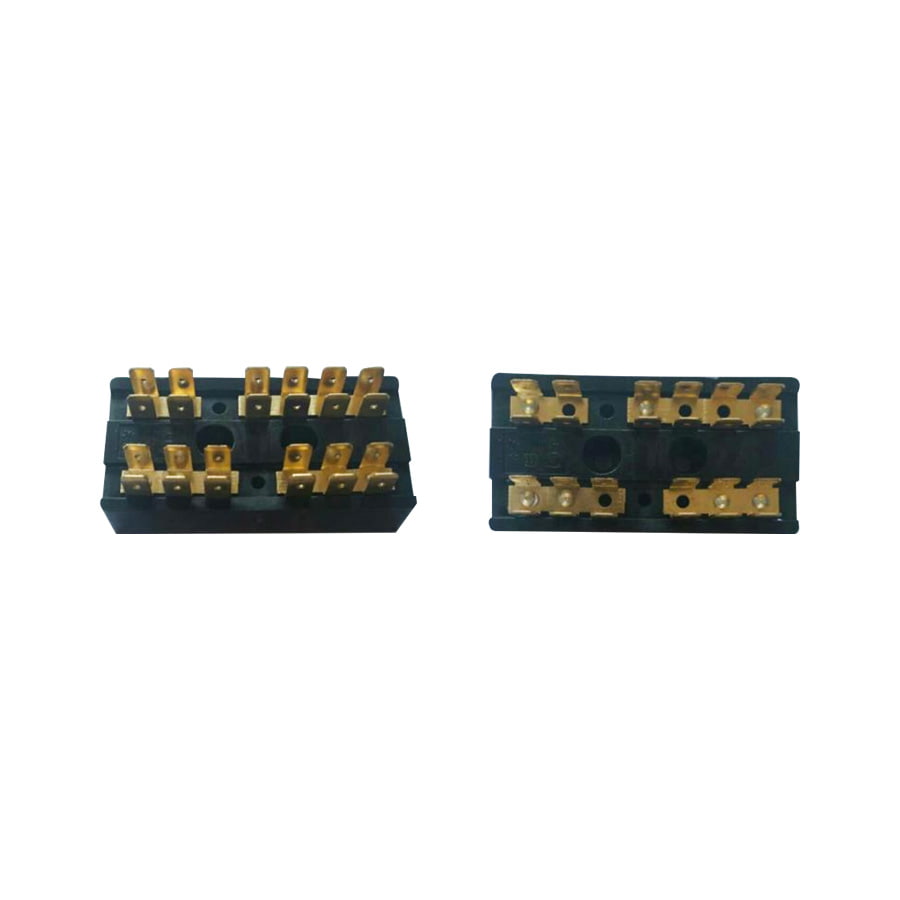
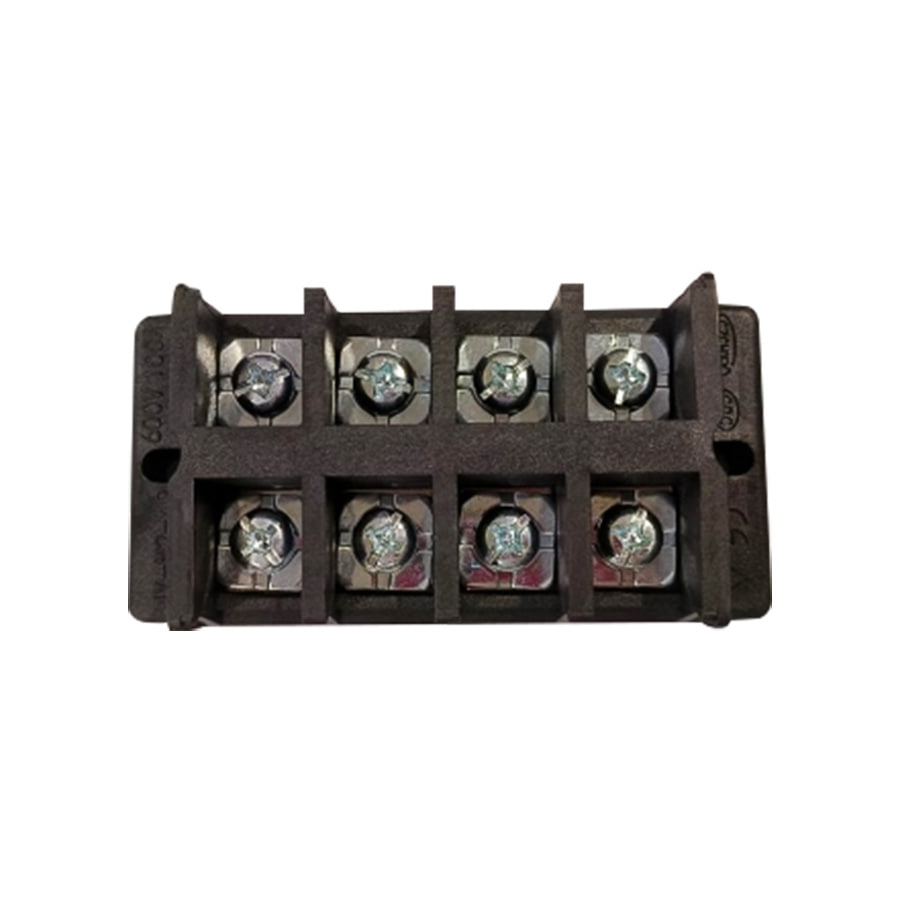
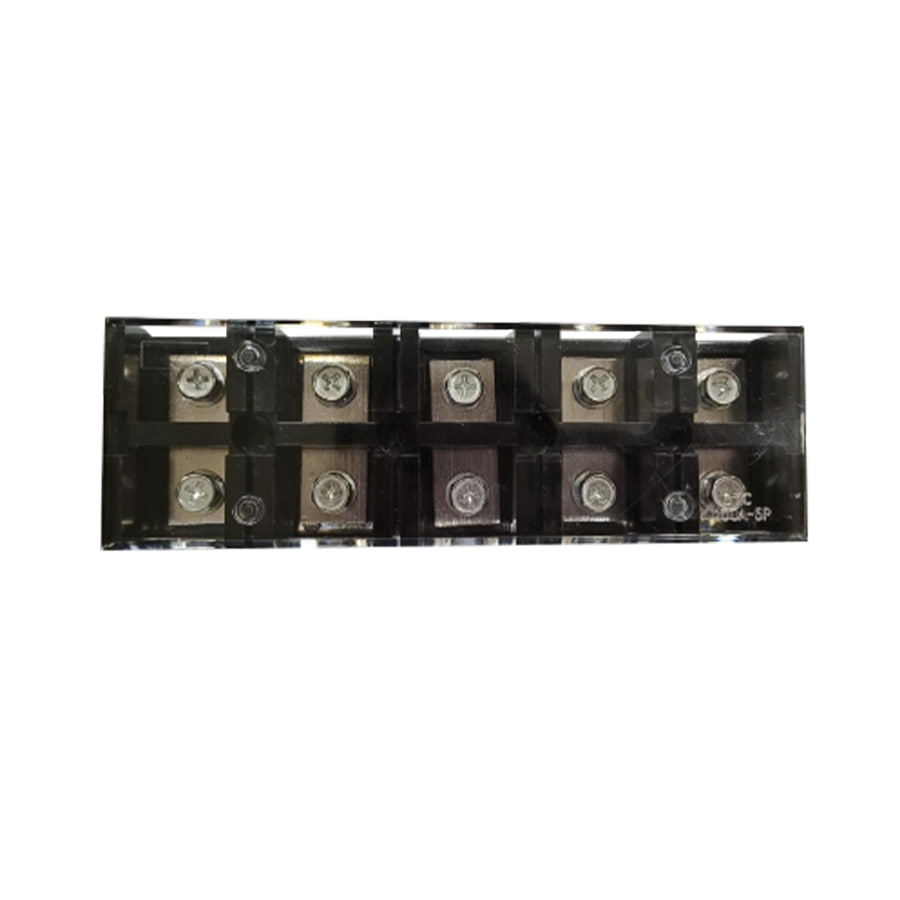
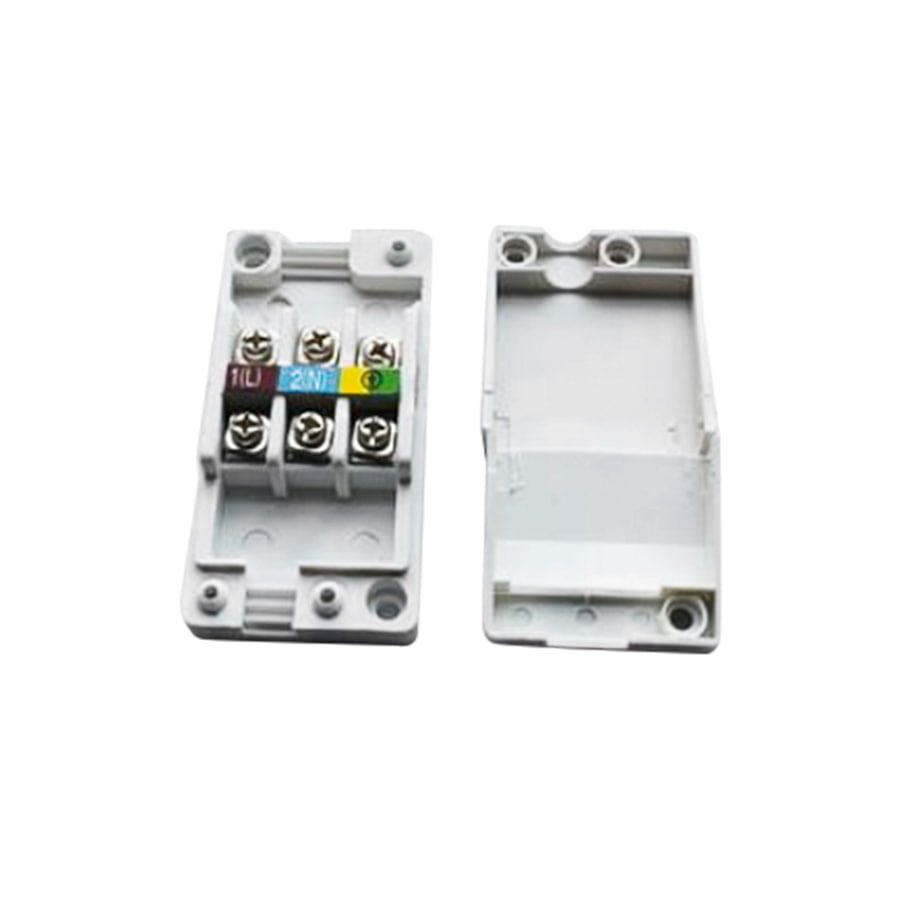
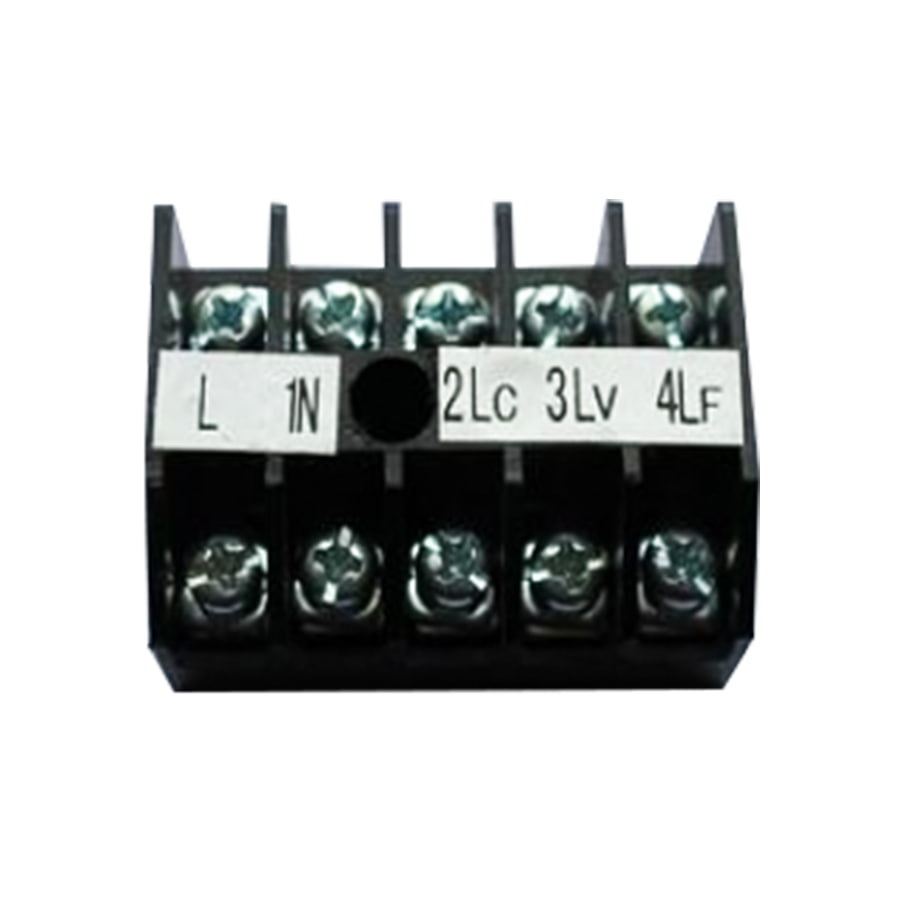
Screw terminals are among the most widely used types. They use a screw to clamp the conductor against a metal contact surface. This design offers strong mechanical retention and is suitable for a wide range of wire sizes. Screw terminals are common in distribution boards, control panels, and industrial equipment.
Spring clamp terminals rely on a spring mechanism to maintain constant pressure on the conductor. This design reduces the risk of loosening over time and performs well in environments with vibration or thermal cycling. They are popular in automation systems and compact electrical assemblies.
Push-in and plug-in terminals allow quick connection without tools, making installation faster and more consistent. These terminals are commonly used in modular systems where frequent wiring changes or expansions are expected.
The performance of a connecting terminal depends heavily on its materials and design. Conductive parts are typically made from copper alloys because of their excellent conductivity and mechanical strength. Surface treatments such as tin or nickel plating help reduce oxidation and improve long-term contact reliability.
Insulating housings are usually made from engineered plastics that resist heat, chemicals, and mechanical stress. These materials must meet strict safety standards, especially in applications involving high voltage or current.
| Design Factor | Why It Matters |
| Contact Pressure | Ensures low resistance and stable current flow |
| Material Quality | Improves conductivity and corrosion resistance |
| Insulation Strength | Protects against short circuits and electric shock |
Safety is one of the most critical reasons for using high-quality connecting terminals. A poor connection can lead to increased resistance, which generates heat and raises the risk of fire. Properly designed terminals minimize this risk by maintaining consistent contact pressure and shielding live conductors.
In industrial and commercial settings, terminals also help organize wiring in a clear and structured way. This organization reduces the chance of accidental contact during maintenance and makes troubleshooting faster and safer.
As electrical systems become more complex, connecting terminals play an even more important role. Smart buildings, renewable energy installations, and automated factories all rely on precise and reliable connections. Terminals provide standardized interfaces that allow sensors, controllers, and power sources to work together seamlessly.
In smart grids and control systems, signal integrity is just as important as power delivery. High-quality connecting terminals help ensure stable data transmission, reducing noise and connection errors that could affect system performance.
Even the best connecting terminal can fail if installed incorrectly. Proper stripping of conductors, correct tightening torque, and compatibility between wire size and terminal rating are all essential factors. Following manufacturer guidelines helps ensure long-term reliability.
Regular inspection is also important, especially in critical systems. Checking for signs of loosening, discoloration, or corrosion can prevent minor issues from developing into major failures.
Connecting terminals rarely receive attention, yet they quietly support the performance, safety, and longevity of electrical systems worldwide. They bridge the gap between design and real-world operation, ensuring that power and signals flow exactly as intended.
By understanding their role and choosing the right terminals for each application, engineers and installers can significantly improve system reliability. In this way, connecting terminals earn their reputation as the unsung heroes that hold modern electrical connections together.
 Category

 English
 中文简体
中文简体 عربى
عربى Español
 +86-13861233850