 2026-02-24
 Content
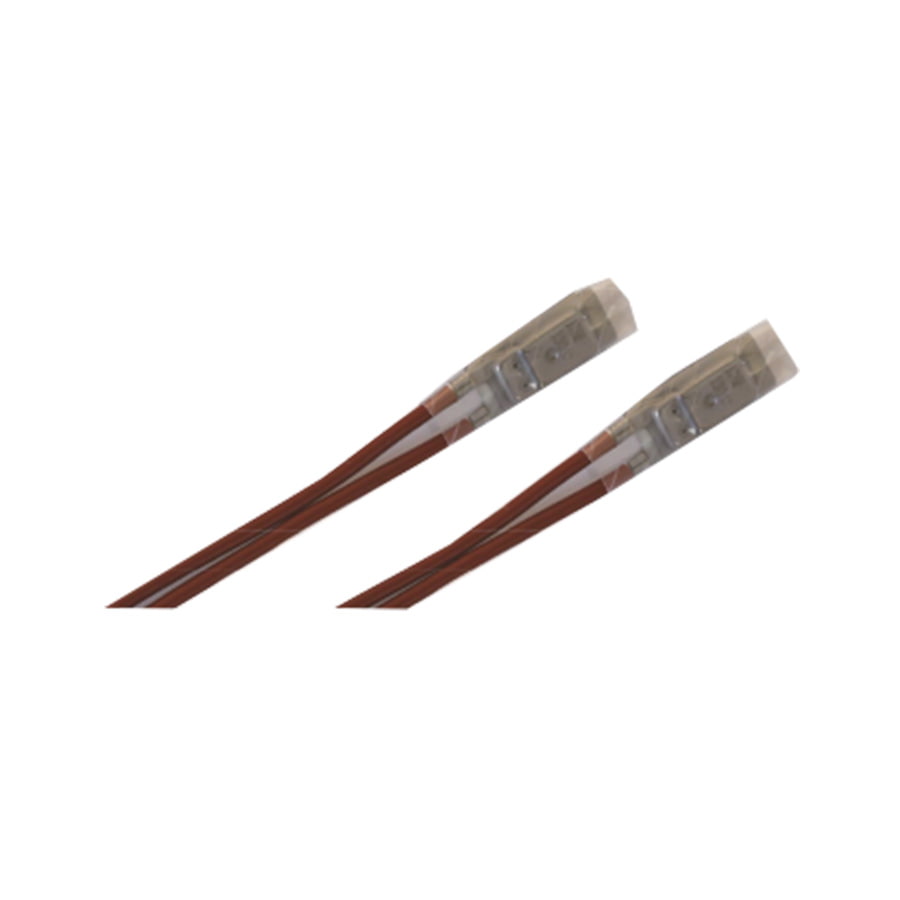
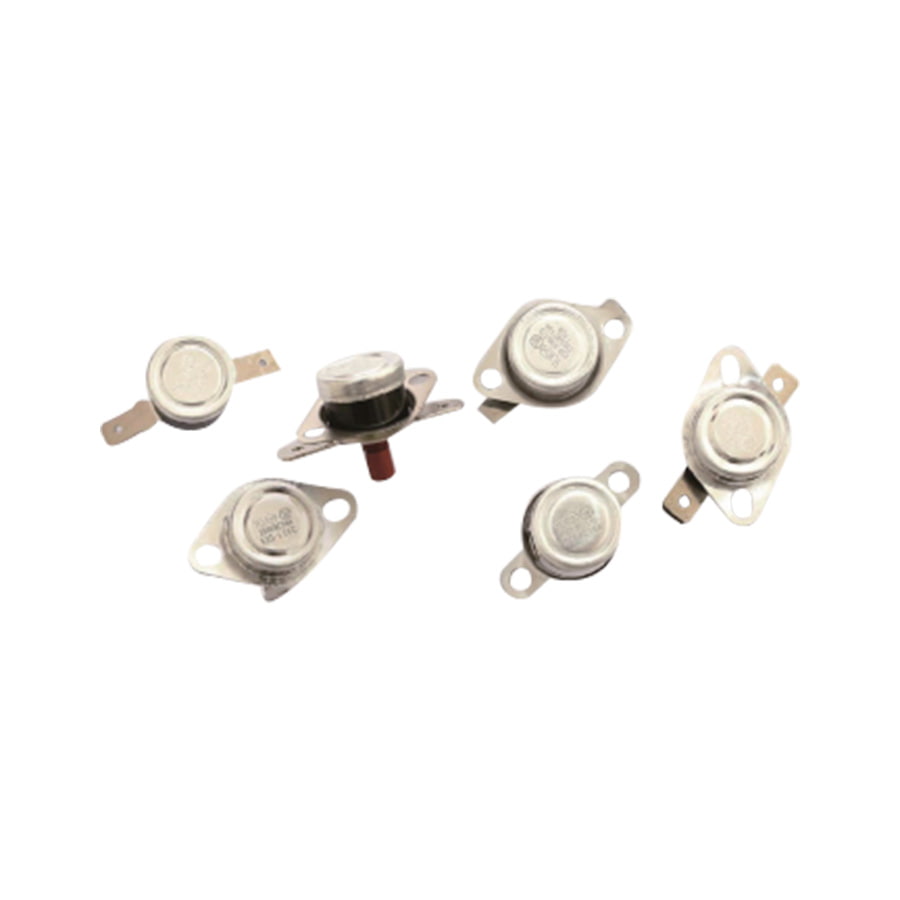
Thermal Protectors play a critical role in safeguarding electric motors and industrial equipment from overheating damage. In high-temperature industrial environments, motors often operate under heavy loads, fluctuating power conditions, and continuous duty cycles, all of which increase the risk of thermal failure. A Motor Thermal Protector acts as a safety device that monitors temperature conditions and interrupts the electrical circuit when temperatures exceed safe limits, preventing insulation breakdown, mechanical damage, or catastrophic failure.
Choosing the correct Motor Thermal Protector is not simply a matter of selecting a standard component. Industrial environments such as steel manufacturing, mining operations, chemical plants, and heavy machinery applications present unique thermal challenges. Proper selection requires an understanding of operating temperatures, response characteristics, installation conditions, and long-term reliability requirements.
High-temperature industrial environments expose motors and associated Thermal Protectors to extreme stress conditions. Ambient heat, poor ventilation, dust accumulation, and vibration can all affect protective device performance. Additionally, temperature cycling caused by intermittent loads may accelerate component fatigue and reduce reliability.
Understanding these environmental factors helps engineers select Thermal Protectors with appropriate temperature ratings, sealing properties, and mechanical durability.
Several Motor Thermal Protector technologies are available, each designed for different performance characteristics. Selecting the right technology depends on application requirements, response speed, and environmental conditions.
| Type | Operating Principle | Advantages | Best Applications |
| Bimetal Protectors | Thermal expansion of metal strips | Reliable, cost-effective | General industrial motors |
| PTC Thermistors | Resistance increases with temperature | Accurate sensing | Precision equipment |
| Thermal Fuses | Melting element interrupts circuit | Simple and safe | Single-use protection |
| Electronic Protectors | Sensor-based monitoring circuits | Advanced control and accuracy | High-value industrial systems |
For high-temperature environments, bimetal and electronic protectors are often preferred due to their durability and adaptability to harsh conditions. However, the final choice depends on performance expectations and system complexity.
Selecting the best Motor Thermal Protector requires careful evaluation of several technical parameters. Temperature rating is the most obvious factor, but response time, electrical capacity, and mechanical design are equally important.
Matching these parameters to the application ensures reliable protection and prevents nuisance tripping or delayed response during critical operating conditions.
Proper installation significantly affects the effectiveness of Thermal Protectors. The device must be positioned where it accurately senses the motor’s temperature rather than ambient conditions alone. Common installation methods include embedding protectors within motor windings, attaching them to motor housings, or integrating them into control circuits.
Thermal coupling efficiency is especially important in high-temperature environments. Poor contact between the Motor Thermal Protector and the heat source can delay response time and reduce protection effectiveness. Using thermal adhesives or secure mounting techniques improves heat transfer and enhances accuracy.
Industrial applications demand long-term reliability from Motor Thermal Protector devices. Components must withstand repeated thermal cycling, mechanical stress, and environmental exposure without degradation. High-quality materials, robust sealing, and proven design standards contribute significantly to durability.
Lifecycle cost should also be considered. While premium Thermal Protectors may have higher upfront costs, they often reduce maintenance frequency, downtime, and replacement expenses. Reliability is particularly critical in industries where equipment failure can lead to safety risks or production losses.
Thermal protection devices must meet relevant safety certifications and industry standards to ensure dependable operation. Certifications often address electrical safety, temperature accuracy, and environmental resistance. Compliance provides assurance that the Motor Thermal Protector will perform as expected under specified conditions.
Working with reputable manufacturers that provide documentation, testing data, and quality assurance processes reduces risk and ensures compatibility with industrial regulations. Traceability and warranty support are also important factors when selecting protective components.
Engineers can simplify the selection process by following a structured evaluation approach tailored to high-temperature environments. Considering operational conditions, motor characteristics, and protection requirements ensures that the chosen Motor Thermal Protector delivers reliable performance.
Selecting the most suitable Motor Thermal Protector for high-temperature industrial environments requires more than simply choosing a device with a high temperature rating. Engineers must evaluate environmental conditions, installation methods, response characteristics, and long-term reliability to ensure effective protection.
Thermal Protectors are essential components that safeguard motors, improve operational safety, and reduce maintenance costs. By carefully matching protector technology and specifications to application requirements, industries can achieve reliable performance even in the most demanding thermal conditions. Ultimately, the right Motor Thermal Protector is an investment in equipment longevity, operational efficiency, and industrial safety.
 Category

 English
 中文简体
中文简体 عربى
عربى Español
 +86-13861233850