 2026-06-05
 Content
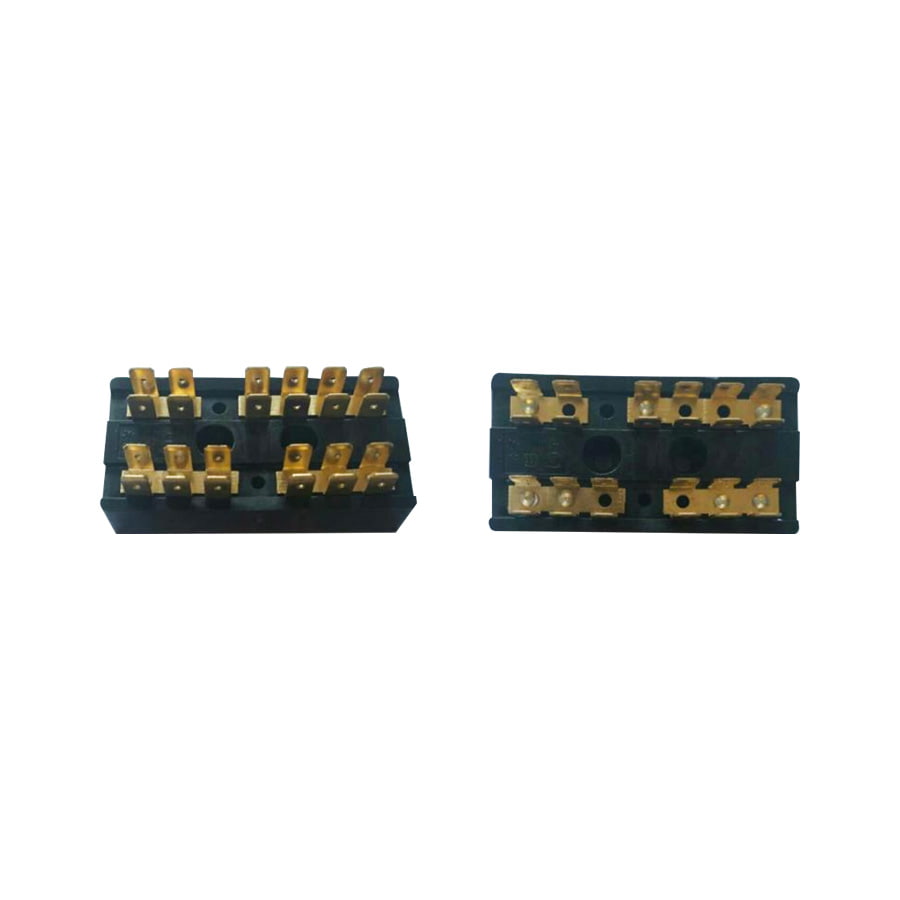
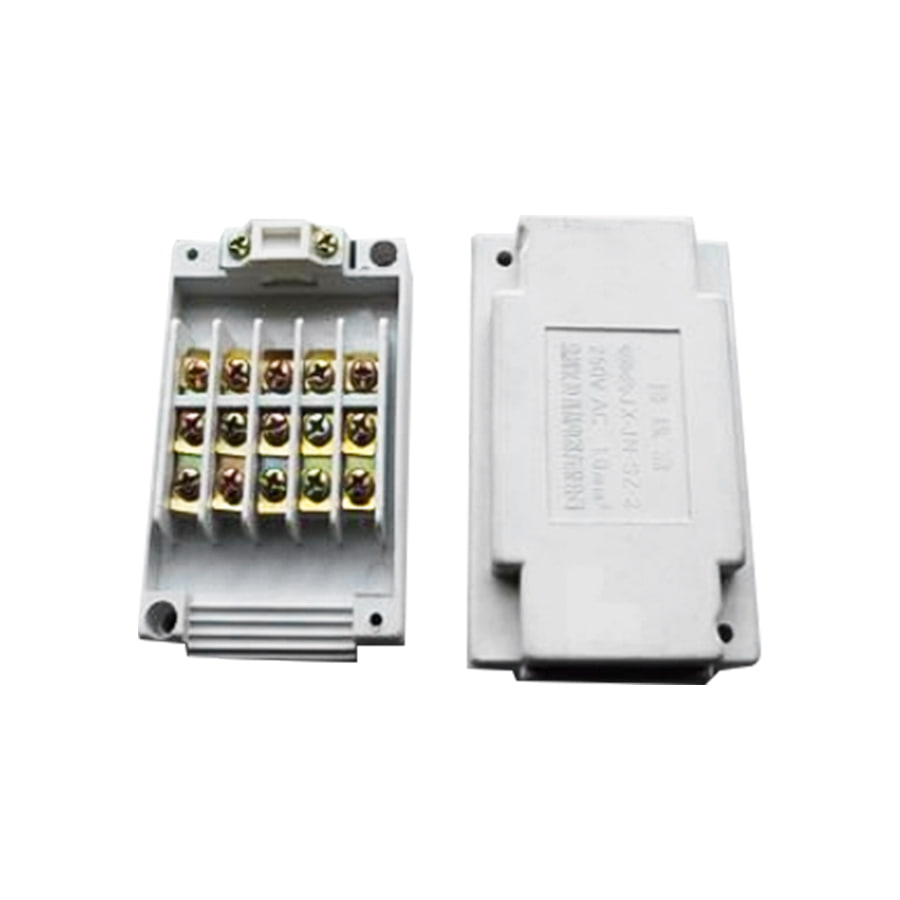
A junction box is an enclosed container — usually made of metal or plastic — that houses electrical wire connections. Whenever two or more electrical wires meet, join, or branch off inside a wall, ceiling, or floor, those connections must be made inside a junction box. This isn't just a best practice; in most countries it's a legal requirement under electrical codes like the NEC (National Electrical Code) in the United States.
The primary purpose of an electrical junction box is safety. Exposed wire connections are a serious fire hazard and shock risk. The box contains any sparks from a loose connection, protects wires from physical damage, and gives you a single accessible point for future inspections or repairs. Without a proper wire junction box, tracking down a wiring fault in a finished wall becomes a nightmare — and potentially dangerous.
Junction boxes are found in almost every part of a building: behind light switches, above ceiling fans, inside walls near outlets, and along conduit runs in basements and attics. Understanding how they work — and how to choose, install, and maintain them correctly — is an essential skill for any homeowner or DIY electrician.
Not all junction boxes are created equal. The right type depends on where you're installing it, what it needs to hold, and what environment it will be in. Here's a breakdown of the most common types:
Plastic (PVC) junction boxes are lightweight, inexpensive, and resistant to corrosion — making them a popular choice for residential indoor wiring with non-metallic (NM) cable like Romex. They don't conduct electricity, which adds a layer of protection if a wire accidentally contacts the box. Metal junction boxes, on the other hand, are required when using metal conduit, and they're mandatory in commercial settings or anywhere the box may be exposed to physical damage. Metal boxes must be grounded.
For outdoor or damp-location use, you need a weatherproof junction box rated for that environment. These are typically made from heavy-duty plastic or cast aluminum and feature gasketed covers and threaded conduit entries to keep moisture out. Look for boxes rated NEMA 3R (rain-tight) or NEMA 4 (watertight) depending on the level of exposure.
The shape of a junction box often determines its use. Round or octagonal boxes are the standard choice for ceiling light fixtures and ceiling fans because they distribute the weight evenly and fit neatly behind round canopies. Square boxes (also called 4-inch square boxes) offer more interior volume and are commonly used as general-purpose wire junction boxes where several cables converge. Rectangular boxes are typically used for wall outlets and switches.
New construction boxes have mounting brackets designed to attach to studs or joists before drywall goes up. Remodel boxes (also called "old work" boxes) have wings or clamps that expand behind existing drywall, so you can add a box without tearing open the wall. If you're adding an outlet or light to a finished room, always use a remodel junction box.
One of the most overlooked aspects of working with electrical junction boxes is sizing. Electrical codes require that a box be large enough to hold all the wires inside it without cramming or damaging the insulation. This is calculated using wire fill calculations based on the gauge of wire and the number of conductors, devices, and clamps inside the box.
The NEC uses cubic inches to express box capacity. Each wire gauge takes up a set amount of space:
| Wire Gauge | Volume per Conductor (cubic inches) |
| 14 AWG | 2.00 cu in |
| 12 AWG | 2.25 cu in |
| 10 AWG | 2.50 cu in |
| 8 AWG | 3.00 cu in |
| 6 AWG | 5.00 cu in |
Always count every conductor entering the box, ground wires (counted as one total), clamps (counted as one), and each device like a switch or outlet (counted as two conductors of the largest wire used). When in doubt, go bigger — an oversized box is never a code violation, but an undersized one is.
Installing a junction box is a manageable DIY task as long as you follow the right steps and, most importantly, turn the power off first. Here's how to do it safely and correctly.
Go to your breaker panel and switch off the circuit you're working on. Then use a non-contact voltage tester to confirm the wires at your work location are dead before touching anything. This step is non-negotiable — never assume the power is off just because you flipped a breaker.
Junction boxes must remain accessible at all times — you cannot legally bury one inside a wall or ceiling without a cover. Plan your location so the box can be reached with a cover plate. In attics and basements this is usually straightforward; in finished walls, you may need to add an access panel.
For new construction, nail or screw the box bracket to a stud or joist. For remodel work, cut a hole in the drywall to match the box's template, feed cables through, insert the box, and tighten the clamps so the wings grip the back of the drywall firmly. The front edge of the box should be flush with the finished wall surface.
Each cable entering the box must be secured with a cable clamp or connector — loose cables are a code violation. Strip about 6–8 inches of outer sheathing from each cable after it enters the box, then strip about ¾ inch of insulation from each individual wire.
Connect like-colored wires together using wire nuts: all blacks (hot) together, all whites (neutral) together, and all bare copper or green wires (ground) together. Twist the wire nut clockwise until firm, then give each wire a gentle tug to make sure none are loose. Wrap the base of each wire nut with electrical tape for extra security if desired.
Carefully fold the connected wires into the box, accordion-style, so they fit without forcing. Attach the cover plate with the screws provided. For metal boxes, make sure the ground wire is also connected to the ground screw on the box itself. Restore power and test the circuit.
Even experienced DIYers can run into trouble with junction boxes. Here are the most frequent errors — and how to avoid them:
Not every ceiling box can support a ceiling fan. A standard light fixture box is rated for about 35 lbs of static weight, but a ceiling fan also produces dynamic load — vibration and swinging motion. You need a fan-rated junction box that is either bolted directly to a structural joist or uses a special brace bar rated for fans (typically 35–70 lbs). Look for boxes labeled "acceptable for fan support" on the packaging.
When running conduit underground — to a detached garage, garden lighting, or irrigation controls — you often need a junction box at transition points. Underground or direct-burial junction boxes are typically made from high-impact plastic rated for direct burial and feature gasketed, waterproof covers. They must still remain accessible, so they're usually set flush with grade level or inside a valve box.
In industrial environments where flammable gases, vapors, or dust are present — such as chemical plants, grain elevators, or fuel storage facilities — standard junction boxes aren't sufficient. Explosion-proof electrical boxes are built from heavy cast iron or aluminum and are designed to contain any internal explosion without allowing it to ignite the surrounding atmosphere. These are governed by Class/Division or Zone ratings under the NEC and IEC standards.
Installing or modifying a junction box is well within the scope of a careful DIYer for straightforward tasks — adding a new light, extending a circuit, or organizing messy splices in an accessible location. However, there are situations where bringing in a licensed electrician is the smarter and safer choice:
When in doubt, a consultation with a licensed electrician is money well spent. They can verify that your junction box installation meets local code, inspect any questionable wiring they find along the way, and give you peace of mind that the work is safe and legal.
Use this table to quickly match your project to the right type of electrical junction box:
| Application | Recommended Box Type | Key Feature to Look For |
| Indoor wall outlet / switch | Plastic rectangular, single-gang | Remodel clamps (old work) or nail-on bracket |
| Ceiling light fixture | Octagonal or round ceiling box | Rated weight capacity; brace bar for fan |
| Wire splicing / branching | 4-inch square box with blank cover | Adequate cubic-inch fill capacity |
| Outdoor / exposed location | Weatherproof cast aluminum or PVC | NEMA 3R or NEMA 4 rating |
| Underground conduit transition | Direct-burial rated box | Gasketed waterproof cover, flush-grade lid |
| Industrial / hazardous location | Explosion-proof cast metal box | Class/Division or Zone rating (NEC Art. 500) |
| Metal conduit system | Steel junction box with knockouts | Grounding screw; compatible conduit connectors |
A junction box is one of the simplest components in an electrical system, but it plays a critical role in keeping your home or building safe. Taking the time to select the right box, size it properly, install it correctly, and keep it accessible ensures your wiring stays up to code — and that any future troubleshooting or upgrades are as easy as possible.
 Category

 English
 中文简体
中文简体 عربى
عربى Español
 +86-13861233850