 2026-04-08
 Content
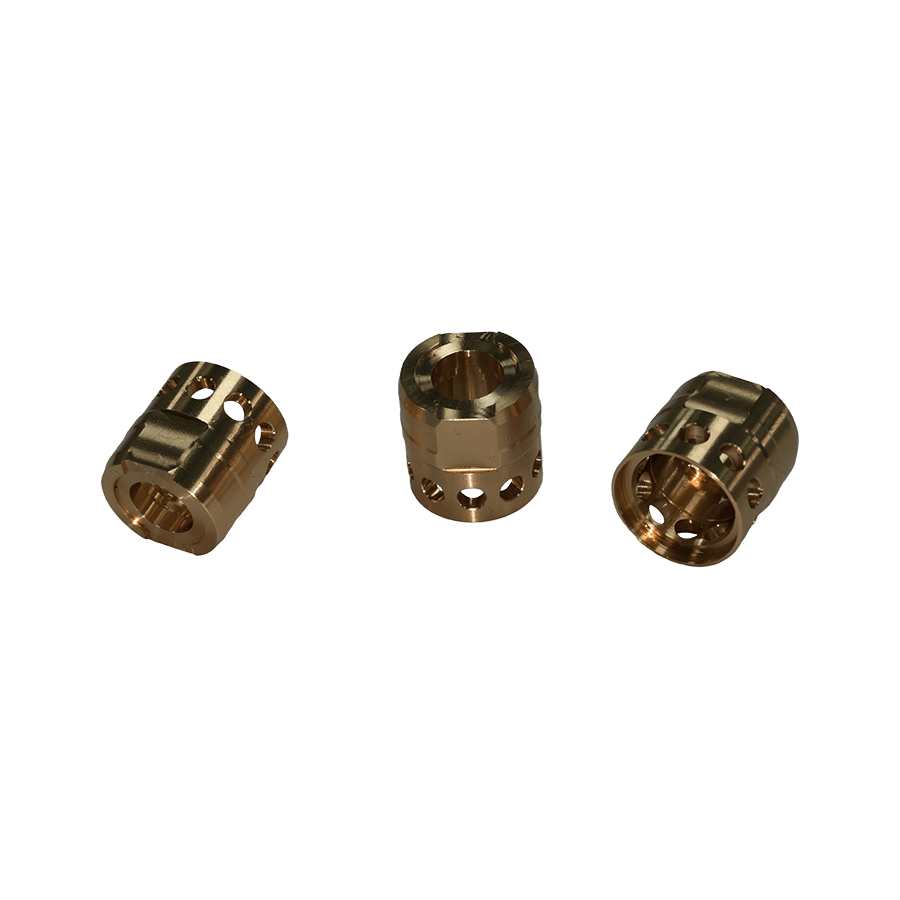
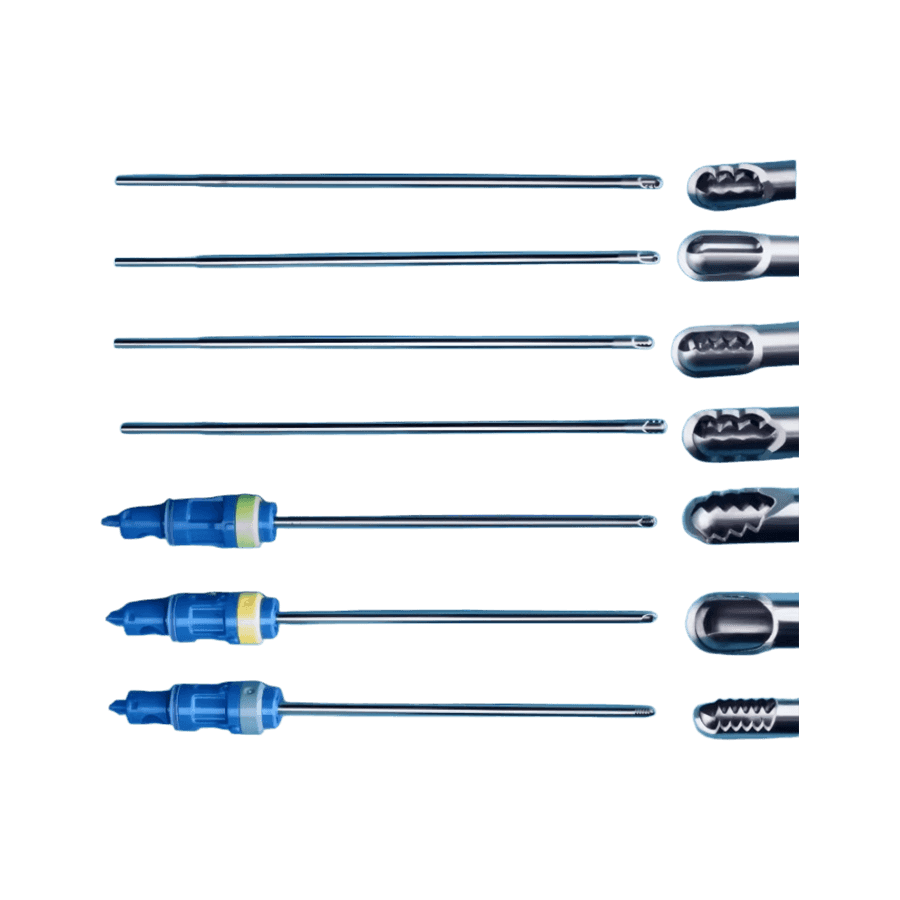
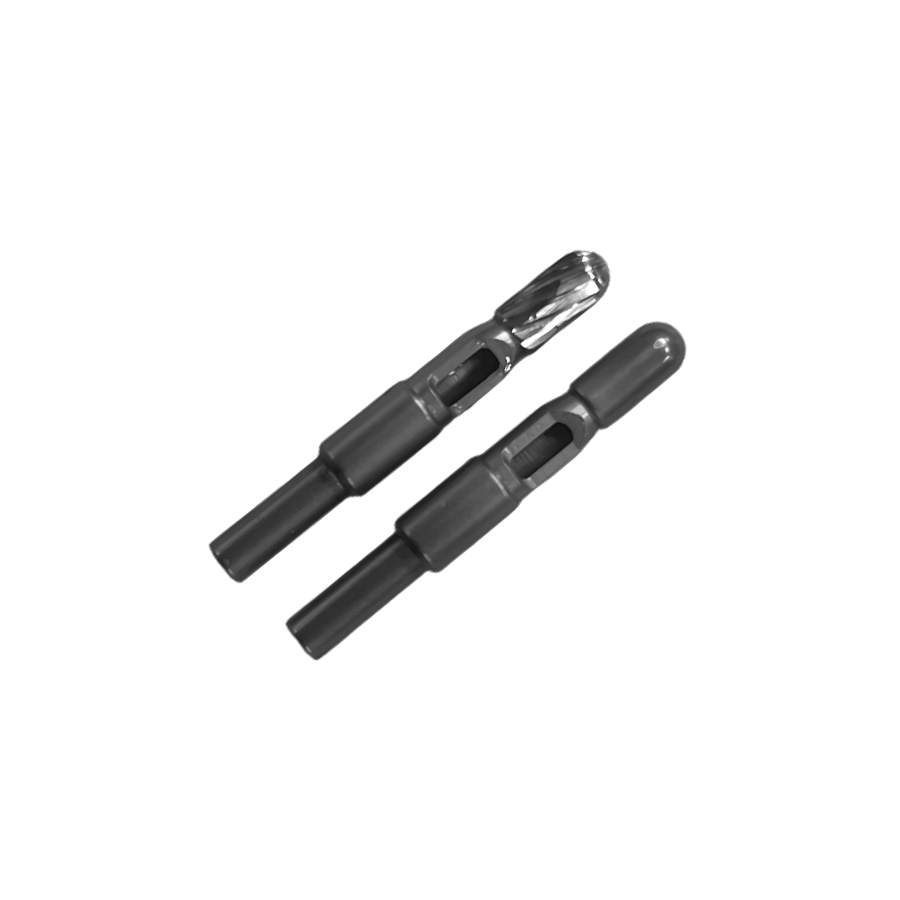
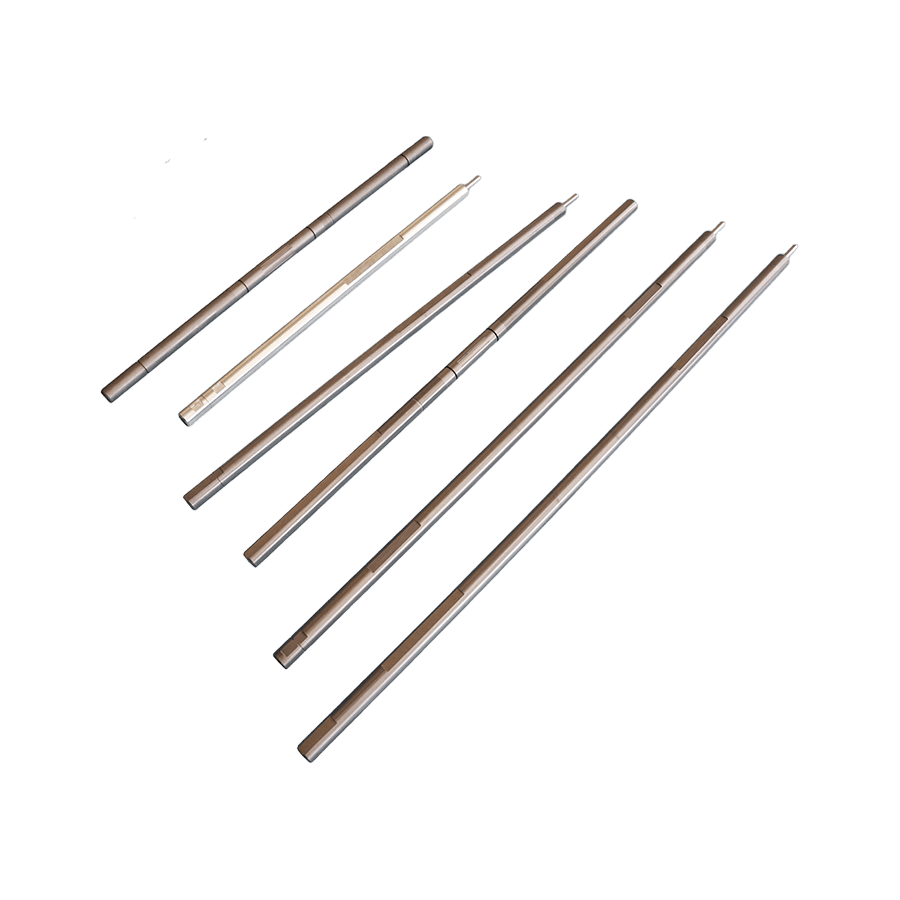
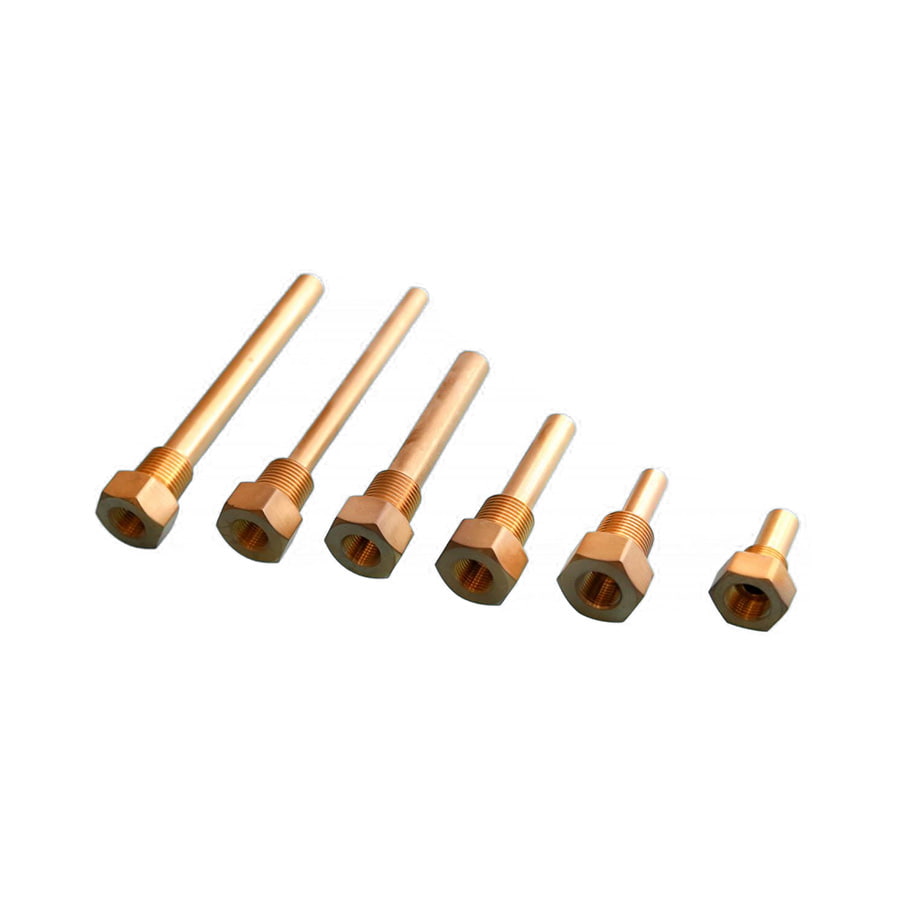
High-Precision CNC Components refer to parts manufactured using computer numerical control (CNC) machines with extremely tight tolerances and consistent accuracy. These components are widely used in industries such as aerospace, medical devices, automotive systems, and electronics, where even the smallest deviation can affect performance or safety.
Unlike standard machined parts, precision CNC components are typically produced within tolerances as tight as ±0.001 mm. Achieving this level of precision requires advanced machinery, skilled programming, strict process control, and high-quality materials.
Material selection plays a critical role in producing high-precision CNC parts. The right material ensures stability during machining and maintains dimensional accuracy under operational conditions.
Different CNC machining processes are used depending on the geometry, tolerance requirements, and material properties of the component.
CNC milling is widely used for producing complex shapes and features such as slots, holes, and contours. Multi-axis milling machines allow for highly precise and intricate designs.
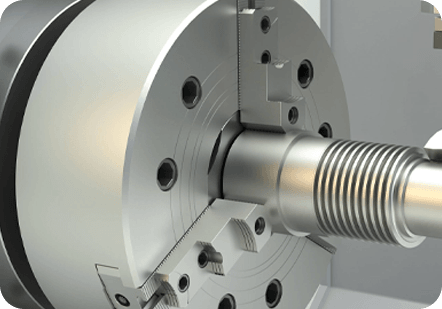
Turning is ideal for cylindrical parts like shafts and bushings. Advanced CNC lathes can achieve excellent surface finishes and tight tolerances.
For ultra-high precision, secondary processes such as grinding, honing, and polishing are applied to refine surface finish and dimensional accuracy.
Tolerance and surface finish are two of the most important factors in high-precision CNC components. They directly influence the functionality and lifespan of the part.
| Parameter | Typical Range | Application Impact |
| Tolerance | ±0.001 mm to ±0.01 mm | Ensures fit and assembly accuracy |
| Surface Roughness (Ra) | 0.2 – 1.6 μm | Affects friction, sealing, and wear resistance |
Maintaining consistent quality in precision CNC machining requires a combination of advanced inspection tools and strict process management.
Designing for precision machining is just as important as the manufacturing process itself. Smart design decisions can reduce costs and improve manufacturability.
Specify tight tolerances only where necessary. Over-constraining dimensions increases machining complexity and cost.
Complex geometries require more advanced tooling and setups. Simplifying features can improve efficiency and consistency.
Different materials respond differently to machining forces and temperature changes. Account for thermal expansion and deformation in your design.
Selecting the right manufacturing partner is critical for achieving consistent quality in high-precision CNC components.
High-precision CNC components are essential for industries where accuracy, reliability, and performance cannot be compromised. By understanding materials, machining processes, tolerances, and quality control methods, businesses can make better decisions and achieve superior results.
Whether you are designing a new product or sourcing precision CNC parts, focusing on practical details and working with experienced manufacturers will help ensure long-term success.
 Category

 English
 中文简体
中文简体 عربى
عربى Español
 +86-13861233850