 2026-04-30
 Content
In the world of heavy machinery, the industrial motor shaft is often overlooked, yet it remains the most critical mechanical conduit for power. It acts as the heartbeat of the system, transforming electrical energy into the rotational kinetic energy that drives our factories, water systems, and infrastructure. A motor drive shaft must be more than just a sturdy rod; it must be a precision-engineered component capable of handling extreme torsional loads while maintaining sub-millimeter alignment. Without a high-performance shaft, even the most advanced motor is essentially useless, as there is no way to deliver its power to the work at hand.
The complexity of these components arises from the physics of rotation. When a motor is energized, the shaft is subjected to "instantaneous torque," a sudden surge of force that attempts to twist the metal along its axis. Precision motor shafts must be designed with a specific "polar moment of inertia" to resist this deformation. If the design is too rigid, the shaft may become brittle and snap; if it is too flexible, it will vibrate and destroy the bearings. Striking this perfect balance is what separates a standard industrial motor shaft from a high-performance one designed for 24/7 industrial duty cycles.
Selecting the right metallurgy is the first step in ensuring the reliability of an industrial motor shaft. It isn't just about choosing "strong" steel; it is about choosing a material that can withstand the specific environmental and mechanical stressors of the application. Engineers must consider yield strength, tensile strength, and fatigue limits. For instance, a shaft in a mining pump faces different challenges than one in a high-speed CNC spindle. The chemical composition of the steel—including levels of carbon, chromium, and molybdenum—determines how the shaft will react to stress over millions of rotations.
| Steel Grade | Characteristics | Primary Industrial Application |
| AISI 1045 | Medium carbon, high machinability | Standard pumps, conveyors, and fans |
| AISI 4140 | Chromium-moly alloy, high fatigue limit | Heavy-duty crushers and compressors |
| SUS 316 | Stainless steel, corrosion resistant | Chemical processing and food production |
| 42CrMo4 | Ultra-high strength, impact resistant | High-torque wind turbines and marine motors |
Raw steel is rarely enough for a motor drive shaft. Manufacturers use heat treatment processes like induction hardening or nitriding to alter the molecular structure of the metal. Surface hardening is particularly important because it creates a "case-hardened" outer layer that resists wear from seals and bearings, while keeping the inner core of the shaft ductile enough to absorb shocks. This "hard shell, soft core" approach is essential for preventing the brittle fractures that often plague lower-quality, untreated shafts.
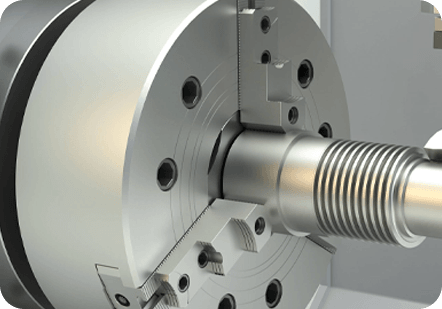
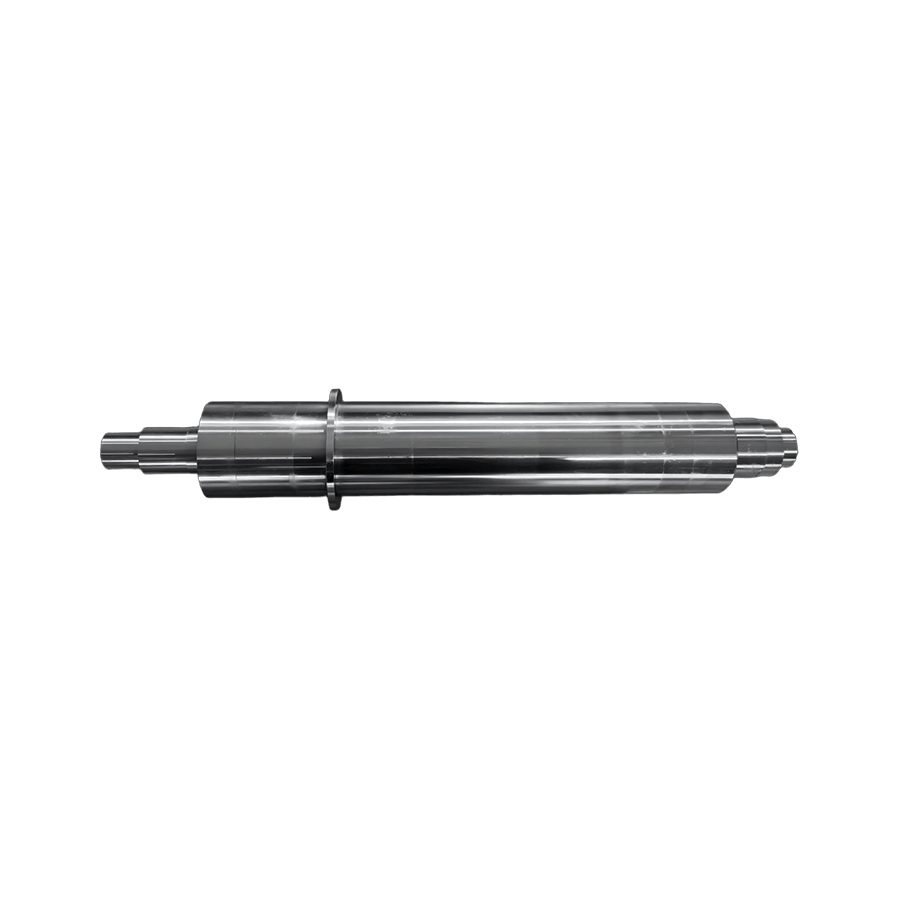
Most people think of an industrial motor shaft as a simple cylinder, but the geometry is actually quite complex. The use of a "stepped" design is a marvel of mechanical engineering. By varying the diameter at different points along the shaft, engineers can create specific mounting points for internal and external components. These transitions, however, are the most dangerous points on the shaft because they create "stress risers" where cracks are likely to start if the design is poor.
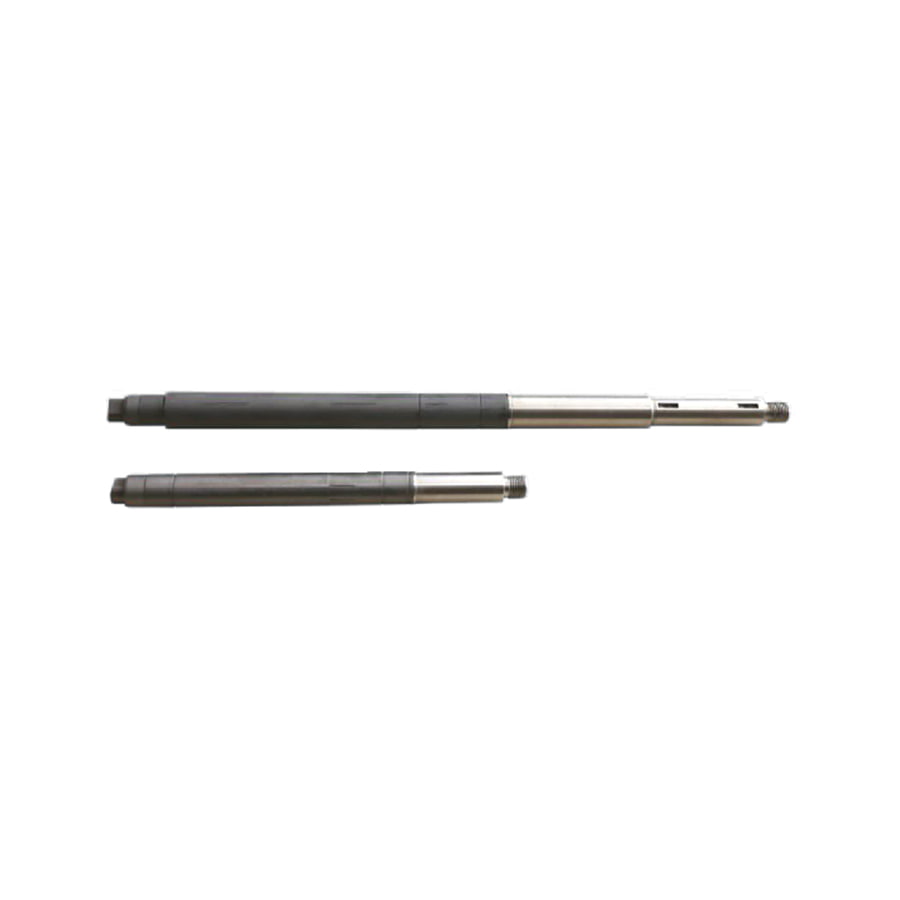
When an industrial motor shaft spins at 3,600 RPM, any slight deviation in weight distribution is magnified by centrifugal force. This creates vibration, which is the number one enemy of mechanical systems. Dynamic balancing is the process of ensuring that the mass of the shaft is perfectly distributed around its center of rotation. This is usually governed by international standards like ISO 1940, which defines different "G" grades for balance quality. A high-precision motor might require a G2.5 rating, meaning the vibration is kept to a nearly imperceptible level.
If a shaft is even slightly out of balance, it will begin to "whip." This microscopic oscillation puts immense pressure on the motor's bearings, causing them to overheat and fail prematurely. Furthermore, this vibration can travel through the motor housing into the machine's foundation, loosening bolts and damaging sensitive electronic sensors. Every precision motor shaft must undergo a balance test on a specialized machine before it is ever installed in a motor core.
Understanding why an industrial motor shaft fails is key to preventing it from happening again. Most failures are not the result of a single "big event" but are instead caused by "metal fatigue"—the slow accumulation of microscopic damage over millions of cycles. When a shaft finally snaps, the cross-section of the break often tells a story. Engineers look for "beach marks," which are concentric circles that show how a crack slowly grew across the metal before the final failure occurred.
Modern industrial plants cannot afford to wait for a failure. Instead, they use "Condition Monitoring" to keep an eye on the health of the motor drive shaft. By using vibration analysis and infrared thermography, maintenance teams can spot a shaft issue months before it actually breaks. This allows for a planned shutdown during off-hours, rather than an emergency stoppage during peak production. Keeping a clean, well-aligned, and properly lubricated system is the best way to ensure your industrial motor shaft reaches its theoretical 20-year service life.
When it comes to the industrial motor shaft, cutting corners on price is a dangerous game. A cheap shaft made from low-grade steel with poor heat treatment might save money today, but it will eventually cost far more in repairs and lost productivity. By investing in precision motor shafts that are correctly balanced, properly aligned, and made from application-specific alloys, you are securing the reliability of your entire operation. Remember, the shaft is the only thing standing between your motor's power and your company's output—treat it with the engineering respect it deserves.
 Category

 English
 中文简体
中文简体 عربى
عربى Español
 +86-13861233850