 2026-07-09
 Content
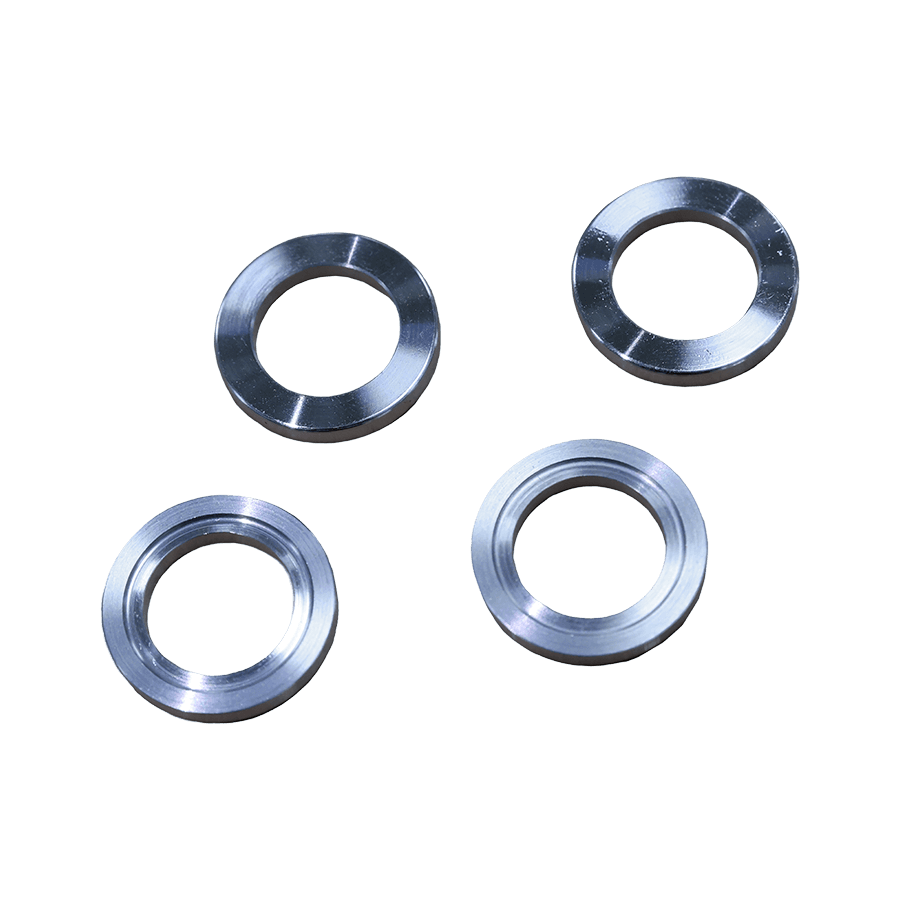
Industrial precision parts are components manufactured to dimensional accuracy measured in thousandths of a millimeter, rather than the looser tolerances acceptable on general-purpose hardware. The difference isn't just a matter of degree — a structural bracket machined to ±0.2 mm and a hydraulic valve spool machined to ±0.005 mm both go through CNC machining, but the process discipline, thermal control, tooling standards, and inspection infrastructure behind them are fundamentally different.
This level of accuracy matters because industrial machinery is built from interconnected assemblies, and the performance of the whole system depends on how precisely each individual part conforms to spec. In fields like aerospace, medical devices, and energy, a deviation of a fraction of a millimeter can mean the difference between a component that performs reliably for years and one that fails under load.
Industrial precision parts are produced through a range of manufacturing methods, each suited to different geometries, volumes, and material types.
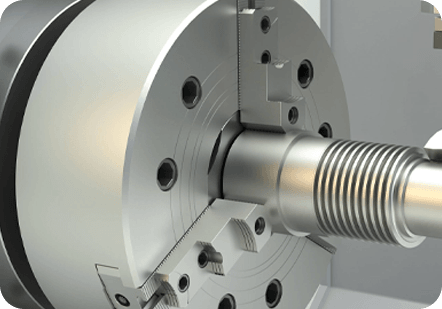
CNC milling, turning, and boring remain the backbone of precision parts manufacturing, capable of holding tolerances as tight as ±0.005–0.02 mm on standard production work, and even tighter for specialized applications. This process works across a huge range of materials and is well suited to both prototype runs and full production volumes.
For features requiring exceptionally tight tolerances or hardened materials that are difficult to machine conventionally, precision grinding and electrical discharge machining (EDM) step in. These processes are commonly used on sealing surfaces, cutting edges, and hardened tool components where standard milling or turning can't reliably hold the required accuracy.
For high-volume plastic components, injection molding can hold tolerance windows as tight as ±0.05 mm, particularly in multi-cavity molds designed for consistency across large batches. This makes it a practical option for enclosures, gears, and fasteners where thousands or millions of identical parts are needed.
Material selection has as much influence on part performance as the machining process itself. The right choice depends on mechanical strength, corrosion resistance, thermal stability, and how the material behaves under the cutting tool.
| Material | Typical Use Case |
| Aluminum 6061-T6 / 7075-T6 | Lightweight structural parts, brackets, UAV and aerospace frames |
| Stainless Steel 316L | Corrosion-resistant parts for medical tooling and high-temperature industrial use |
| Titanium Ti-6Al-4V | Lightweight, biocompatible parts for implants and aerospace brackets |
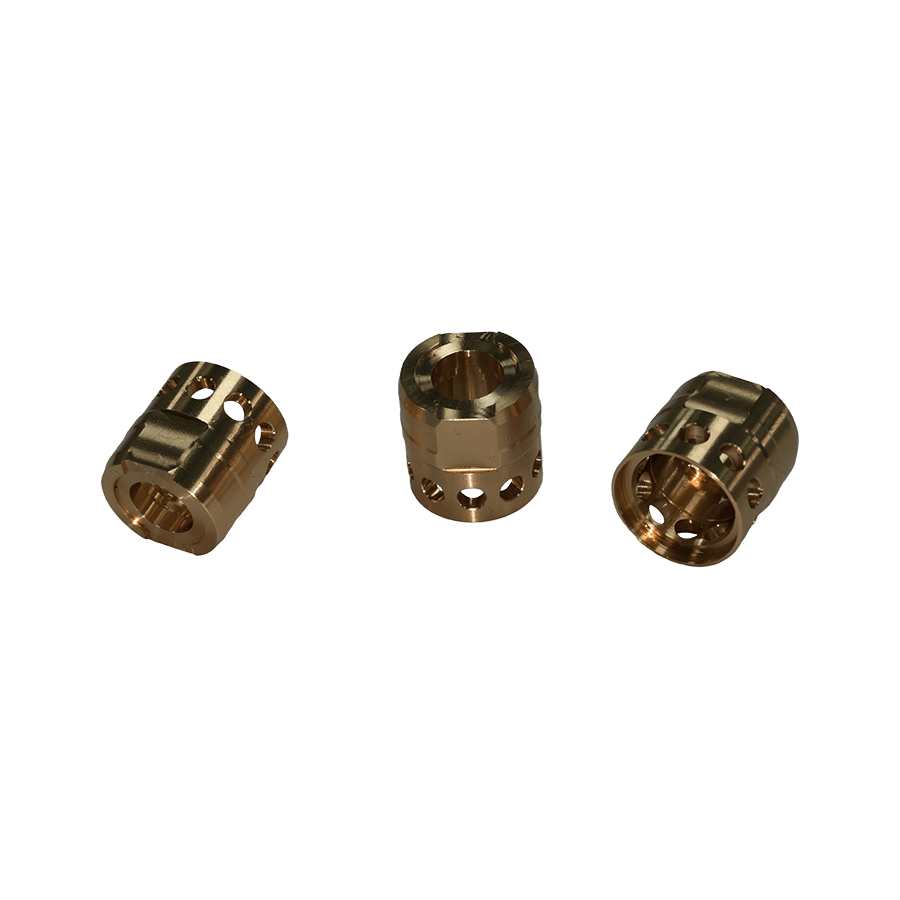
| Brass | High-machinability components requiring tight tolerances and smooth surface finish |
| Engineering Plastics (PEEK, Delrin) | Chemical/thermal-resistant or dimensionally stable non-metal precision parts |
Whenever possible, request a material certificate along with your parts to confirm the supplier used the exact grade and specification your application requires, rather than a close substitute.
One of the most common — and most avoidable — mistakes in sourcing industrial precision parts is applying tight tolerances to every dimension on a drawing, regardless of whether that feature actually needs it. A hydraulic manifold with twelve bores might only need ±0.005 mm accuracy on the bores handling spool valve sealing, while the mounting holes function perfectly at a much looser ±0.1 mm.
Reviewing a drawing to separate functionally critical dimensions from non-critical ones can meaningfully reduce per-part cost without compromising performance where it actually matters. This kind of tolerance review is worth requesting from your supplier or engineering partner before tooling is cut, since correcting over-toleranced features after production has started is far more disruptive.
Not every machine shop is equipped to hold the tolerances or quality standards industrial precision work demands. Before committing to a supplier, it's worth checking for the following:
Suppliers who engage early on part design — rather than simply quoting a drawing as submitted — tend to catch tolerance issues, material mismatches, and manufacturability problems before they become expensive to fix.
While precision manufacturing touches nearly every industrial sector, a handful of fields treat it as an absolute requirement rather than a preference:
Understanding which category your application falls into helps set realistic expectations for both cost and lead time, since parts destined for regulated, safety-critical industries typically require more extensive documentation and inspection than general industrial hardware.
 Category

 English
 中文简体
中文简体 عربى
عربى Español
 +86-13861233850