 2026-07-03
 If you've ever stood in a hardware aisle staring at a wall of metal and plastic parts, you already know how confusing plumbing pipe fittings can be. There are dozens of shapes, sizes, and materials, and picking the wrong one can mean a leak, a failed inspection, or a repair job you have to redo from scratch. This guide walks through the plumbing pipe fittings you're most likely to run into, what they're actually used for, and how to choose the right ones without wasting time or money.
Content
Plumbing pipe fittings are the connector pieces that join sections of pipe together, change the direction of a pipe run, split water flow into multiple lines, or cap off an unused line entirely. Without them, plumbing would just be straight, disconnected tubes with no way to route water where it needs to go. Every fitting is designed to solve a specific problem in the layout of a plumbing system, whether that's turning a corner, connecting two different pipe sizes, or providing a shutoff point for maintenance.
Because fittings sit at every joint in a system, they're also the most common failure point. A pipe itself rarely bursts under normal conditions, but a poorly matched or improperly installed fitting is a frequent cause of leaks. That's why understanding the basic types and materials matters even if you're not doing the installation yourself.
Most plumbing projects only ever need a handful of fitting types, even though hundreds of variations exist for specialized applications. Here are the ones you'll encounter most often.
Elbow fittings change the direction of a pipe run, typically at 45 or 90 degree angles. They're used whenever a pipe needs to turn a corner, such as running from a wall into a fixture. Choosing the correct angle matters for water flow efficiency, since sharper turns create more resistance and can reduce pressure over long pipe runs.
Tee fittings split a single pipe into two directions at a 90 degree angle, while wye fittings do the same at a gentler angle, which is often preferred for drain lines because it reduces the chance of clogging. These fittings are essential anywhere a system needs to branch off to serve multiple fixtures from one main line.
Couplings join two straight sections of pipe in a continuous line without changing direction. They're commonly used when extending an existing pipe run or repairing a damaged section, since they allow a new piece of pipe to be seamlessly connected to the old one.
Reducer fittings connect two pipes of different diameters, gradually narrowing the flow path from a larger pipe to a smaller one. These are common where a main supply line needs to feed into smaller branch lines serving individual fixtures.
Caps and plugs seal off the open end of a pipe, either temporarily during construction or permanently when a line is no longer needed. They're a simple but important part of any system, since an unsealed pipe end is an open invitation for leaks or contamination.
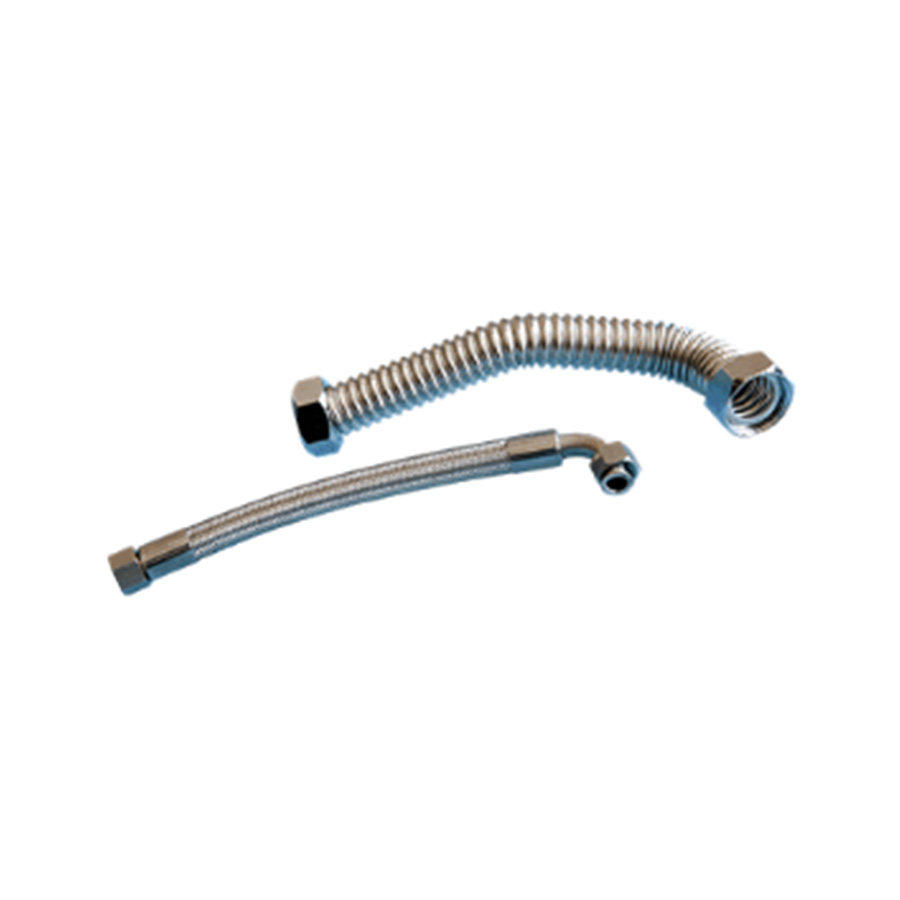
The material a fitting is made from affects its durability, cost, and the types of pipe it can safely connect to. Mixing incompatible materials without the right transition fitting is one of the most common installation mistakes, so it's worth understanding the basic options before buying.
| Material | Best Used For | Key Advantage |
| PVC | Drain, waste, and vent lines | Low cost, easy to cut and glue |
| CPVC | Hot and cold water supply lines | Handles higher temperatures than standard PVC |
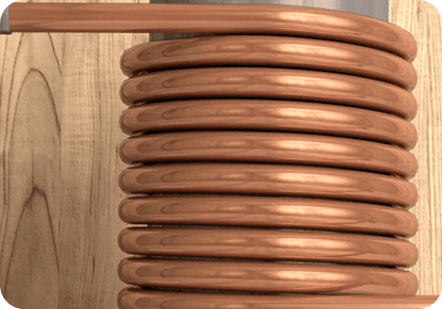
| Copper | Water supply lines, older homes | Long lifespan, resists corrosion |
| PEX | Flexible water supply routing | Fast installation, fewer joints needed |
| Galvanized Steel | Older systems, some outdoor lines | High strength under pressure |
| Brass | Valves, threaded connections | Excellent corrosion resistance |
If a project involves connecting two different materials, such as copper to PEX, always use a dedicated transition fitting rather than trying to force an incompatible connection. This protects against galvanic corrosion, which can eat through metal fittings over time when dissimilar metals are in direct contact with each other.
Picking the correct fitting isn't just about matching the pipe diameter. A few practical checks up front can prevent a lot of headaches later.
Most plumbing fitting failures trace back to a small number of avoidable mistakes. Overtightening threaded fittings can crack the fitting or strip the threads, while undertightening leaves gaps that slowly leak under pressure. Using the wrong type of sealant or tape, or skipping it entirely, is another frequent cause of failed joints, particularly on threaded connections where a proper seal depends on it.
Another common issue is failing to account for thermal expansion. Pipes and fittings expand and contract slightly as temperatures change, and a rigid installation with no room to move can put stress on joints over time, eventually causing cracks. Supporting long pipe runs properly and leaving appropriate expansion gaps where recommended by the manufacturer helps the whole system last longer.
For contractors, distributors, or anyone sourcing plumbing pipe fittings in volume, a few extra questions upfront can prevent costly returns or compliance issues down the line.
Whether you're fixing a single leaky joint at home or sourcing thousands of fittings for a construction project, the same basic principle applies: match the fitting to the pipe, the pressure, and the environment it will live in. Getting that right the first time is almost always cheaper than fixing a failure after the fact.
 Category

 English
 中文简体
中文简体 عربى
عربى Español
 +86-13861233850