

 English
 中文简体
中文简体 عربى
عربى Español
 +86-13861233850
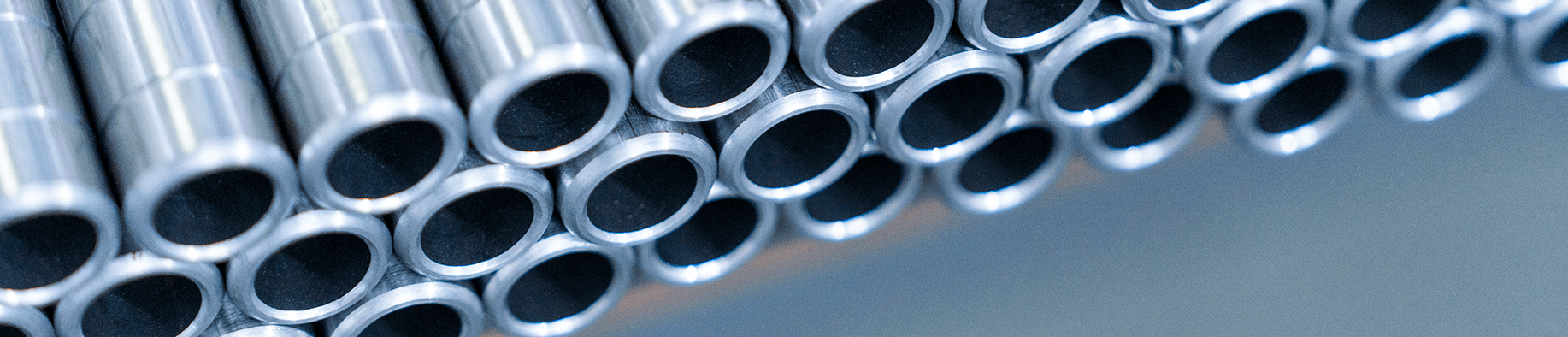
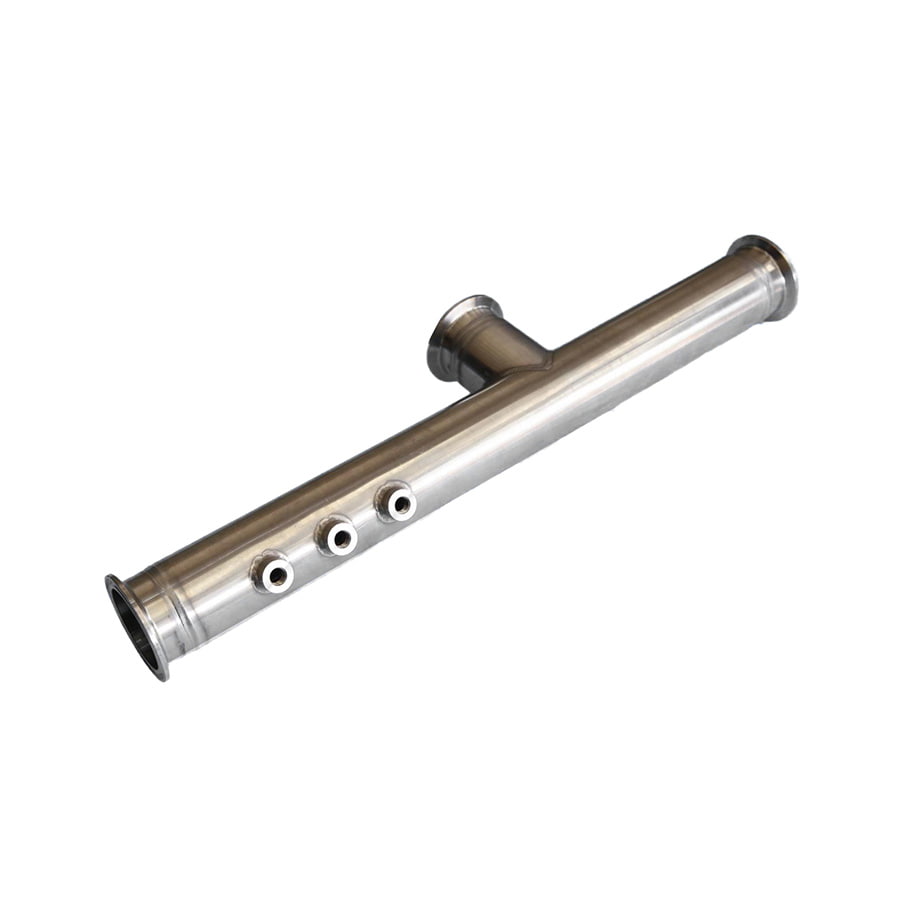
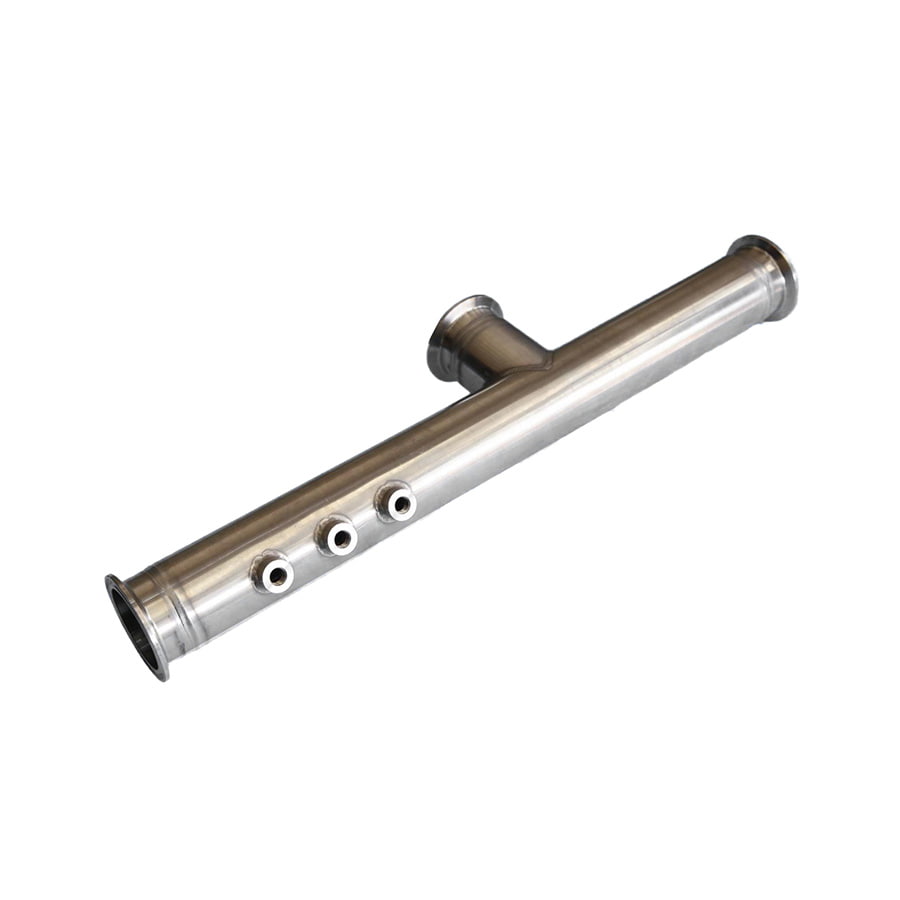
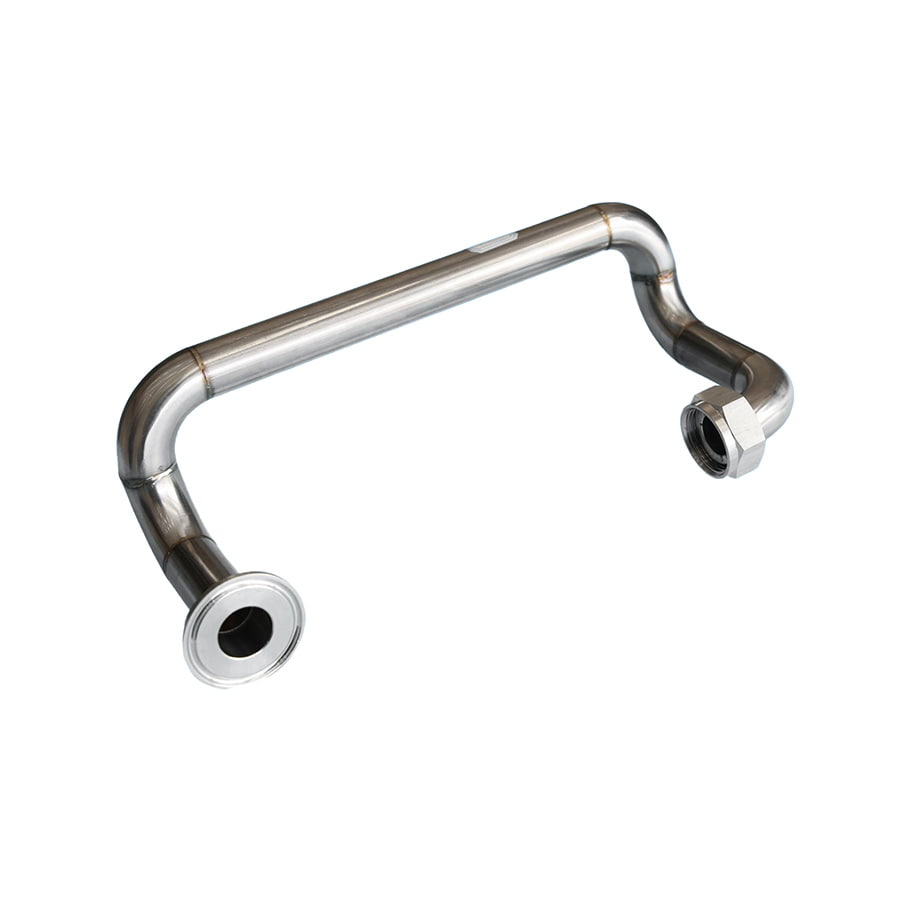
Automotive piping components, also known as automotive piping systems, are essential components of a vehicle. They act as the vehicle's "blood vessels" and "nerves," transporting and managing a variety of fluids and gases. From fuel, brake fluid, coolant, to air conditioning refrigerant, these piping components ensure the efficient and safe operation of core systems such as the engine, brakes, cooling, and air conditioning. They must not only possess excellent resistance to corrosion, high pressure, and high temperatures, but also possess excellent flexibility to accommodate vehicle vibration and movement. Depending on their intended use, automotive piping components can be categorized into various types, such as fuel lines for transporting fuel, brake lines for hydraulic pressure, cooling lines for cooling circuits, and refrigerant lines for air conditioning systems. Each type of piping component utilizes specific materials and structural designs to meet its unique operating environment and safety requirements.

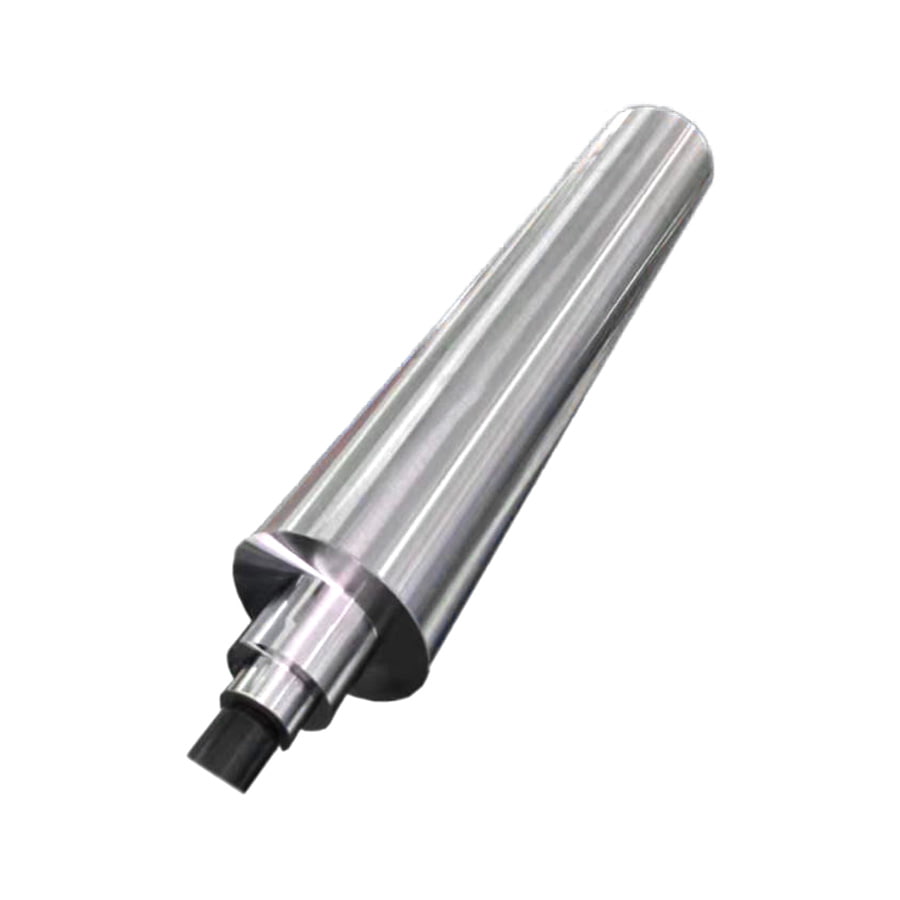
Magnetic suspension motor shaft represents a major leap forward in motor technology, completely elim...
See Details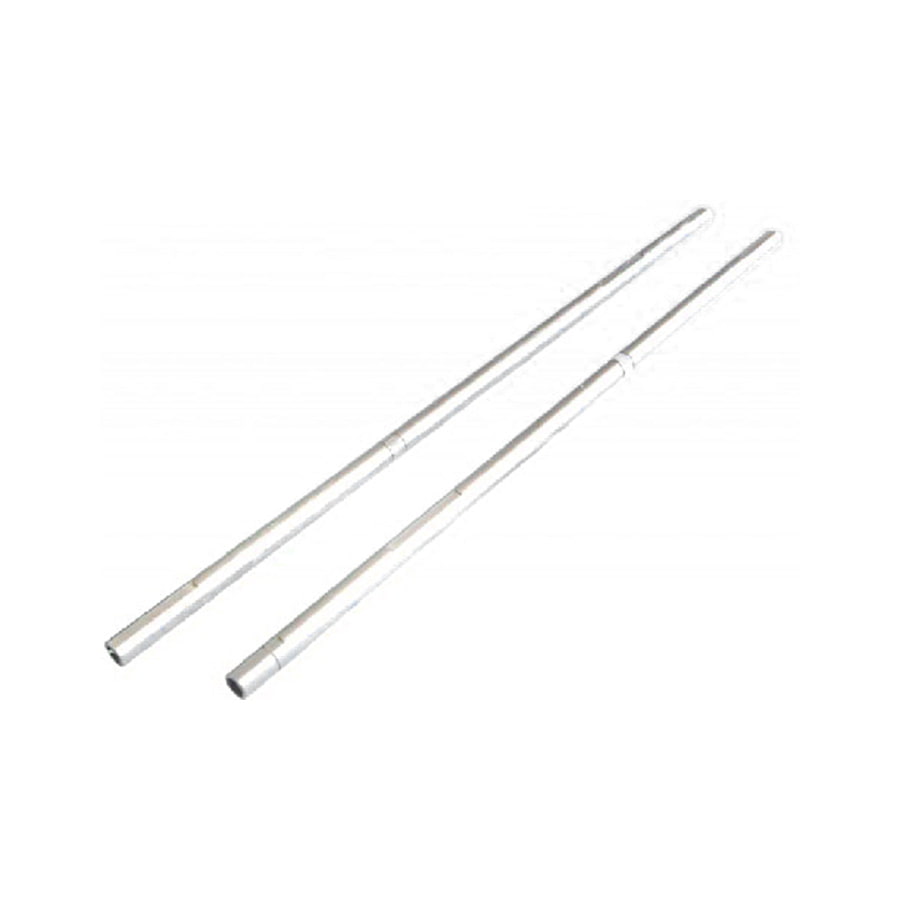
Our central air conditioning connecting shaft is specifically designed to provide a stable and relia...
See Details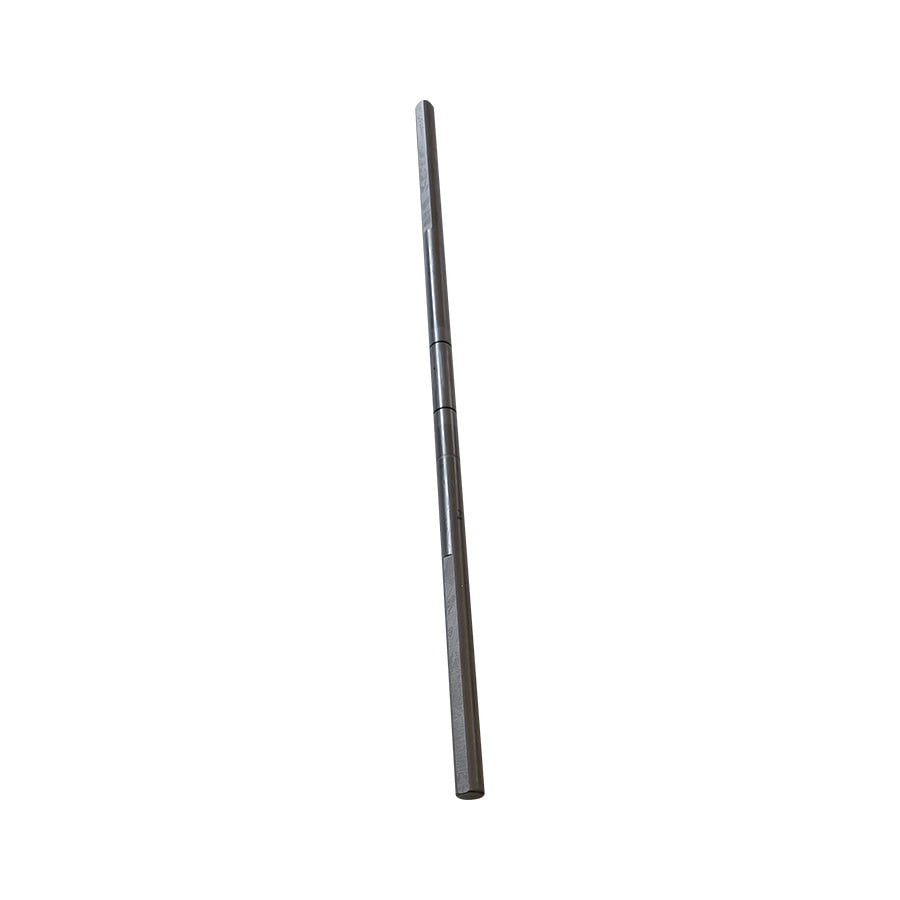
Our coil motor shafts are designed for high-performance, high-reliability motor applications. Precis...
See Details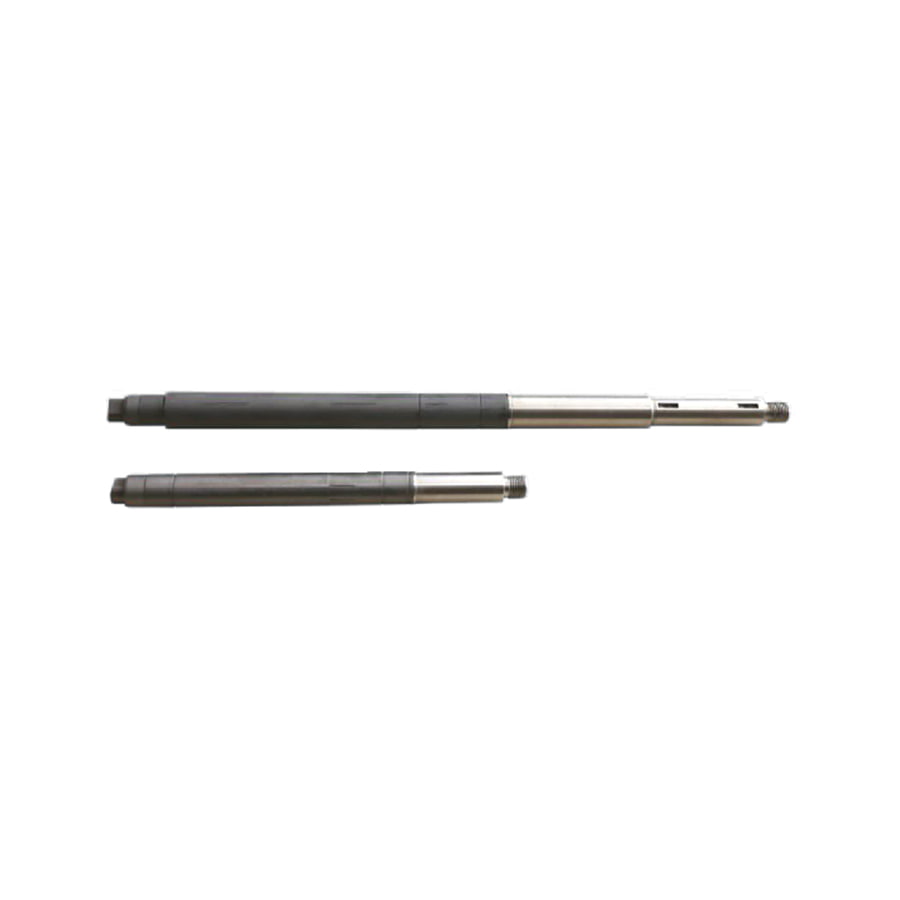
Industrial motor shafts are a critical component connecting the motor rotor to the load, carrying th...
See Details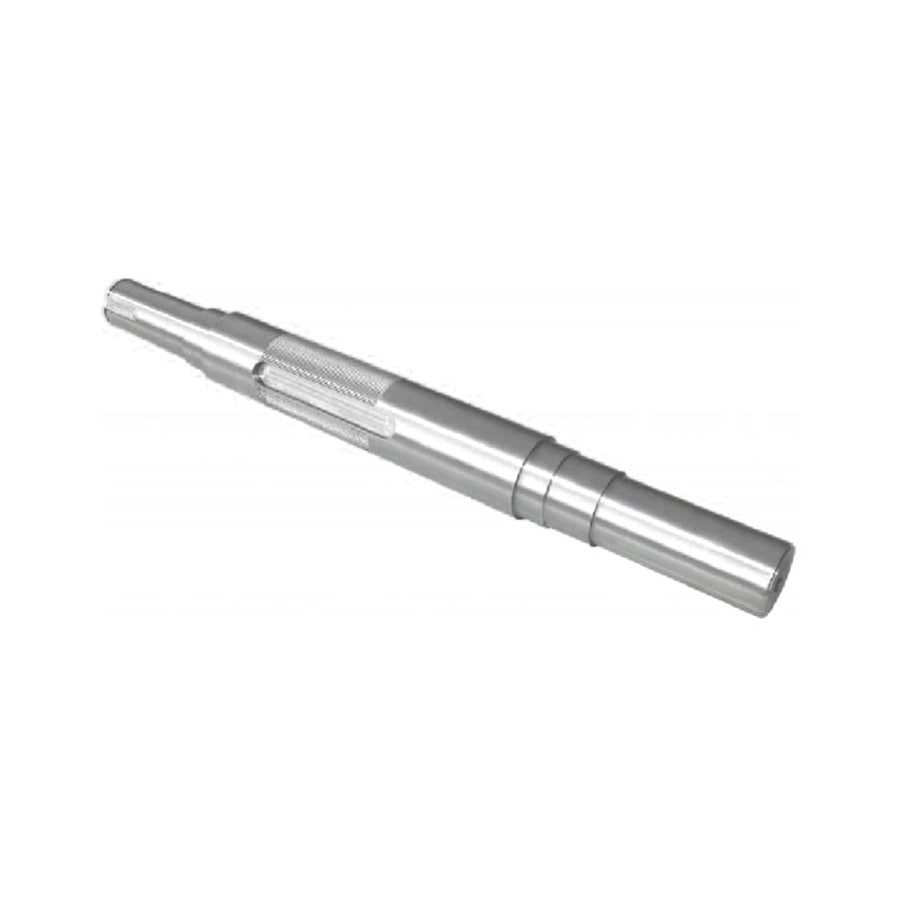
Our water pump motor shafts are designed specifically for operation in harsh underwater environments...
See Details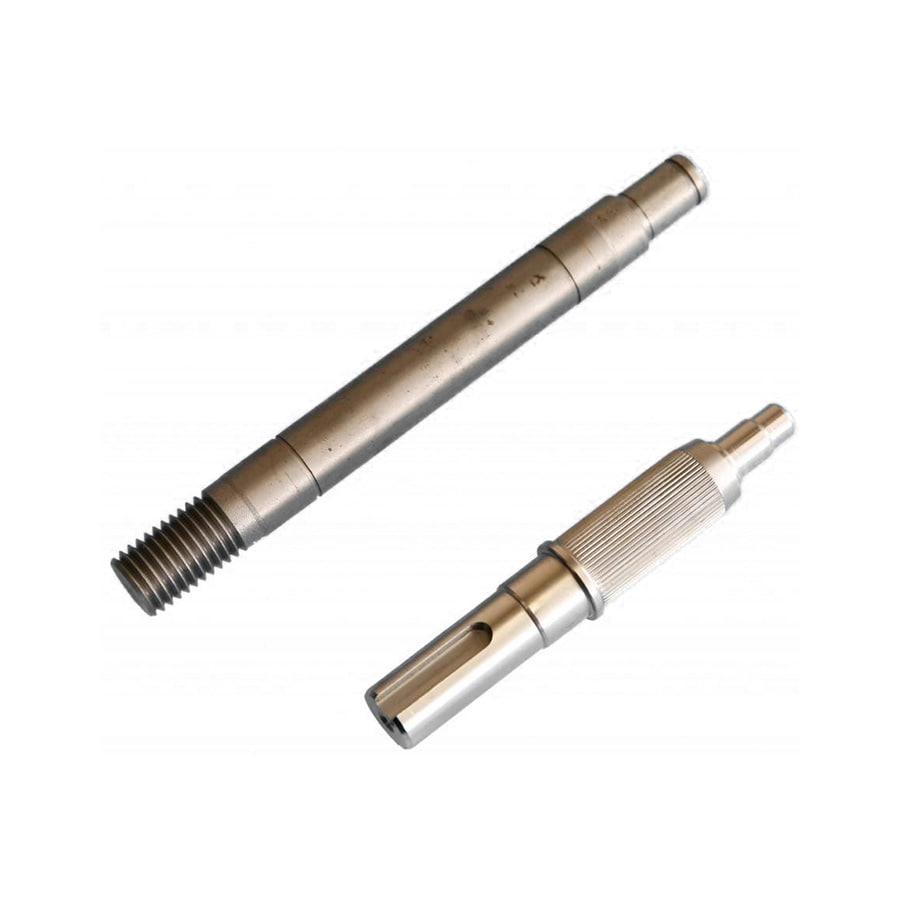
This high-performance servo motor shaft is developed to meet the demands of a variety of demanding i...
See Details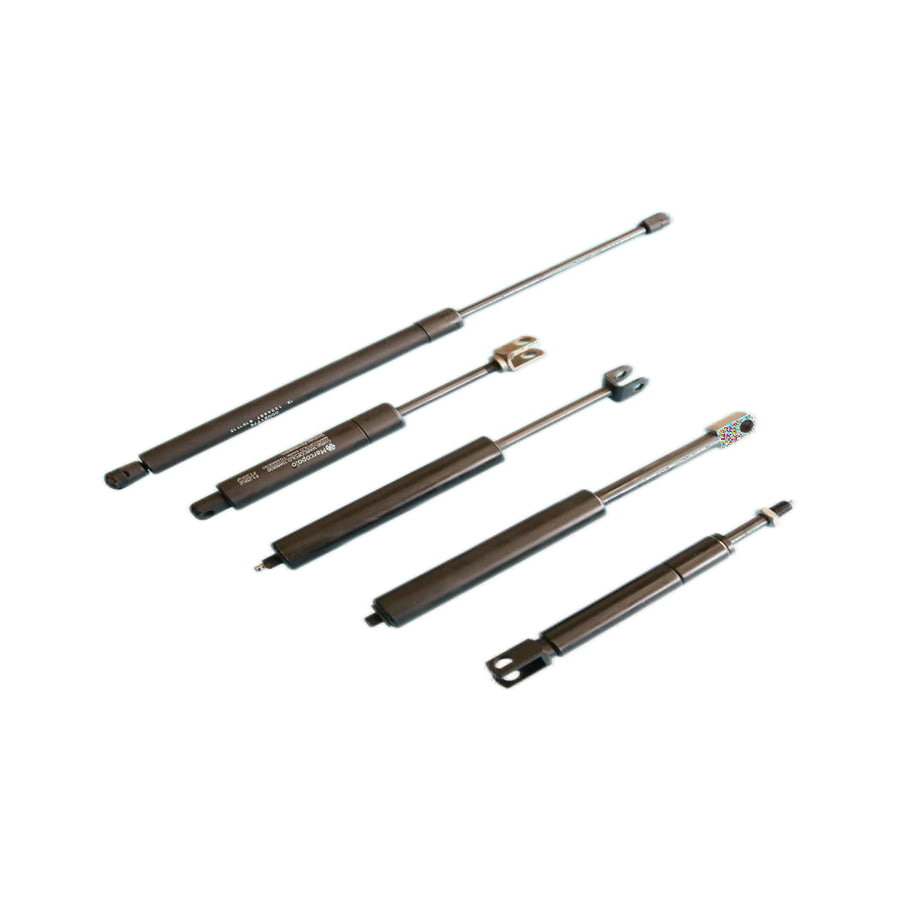
This automotive gas spring is designed to enhance your driving experience and user convenience. Its ...
See Details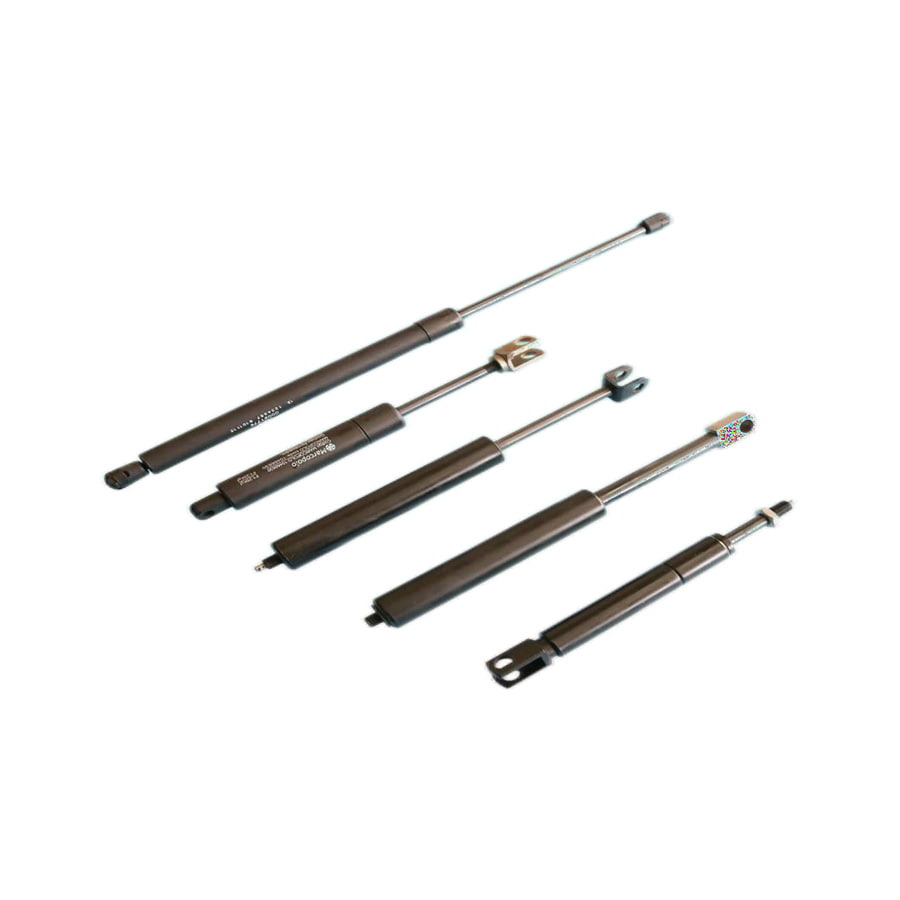
Our furniture gas springs are an ideal solution for modern furniture design, offering a seamless and...
See Details
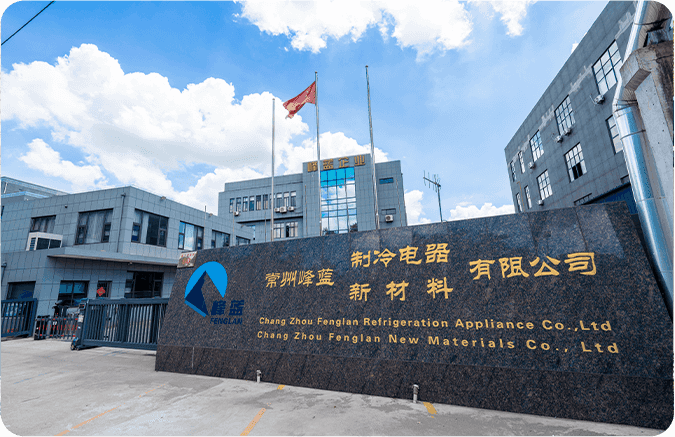


Modern Factory
Large-Scale Equipment
Self-Developed Milling Machines
Inspection Equipment
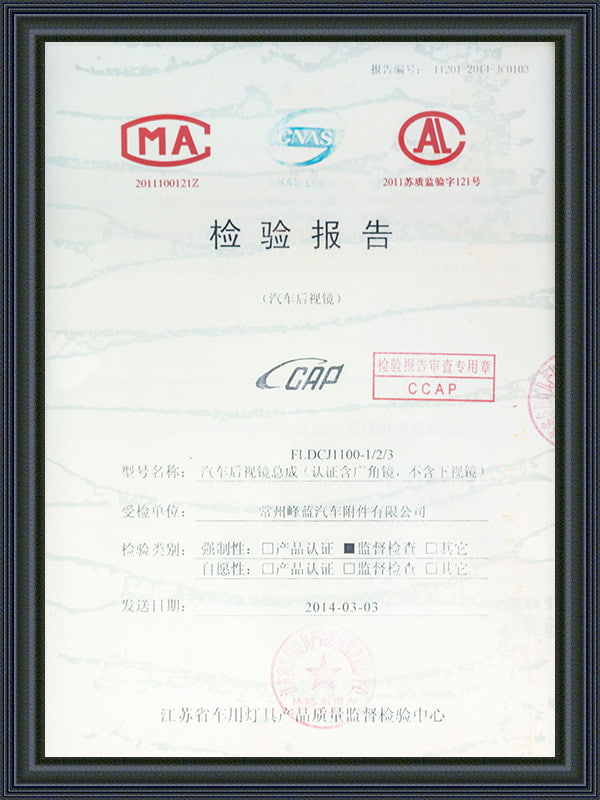

CNC machined metal parts are the backbone of precision manufacturing across virtually every industry — from aerospace turbine discs and medical implants to hydraulic valve bodies ...
READ MOREWhat Are Precision CNC Machining Parts and Why Do They Matter? Tolerances measured in thousandths of an inch. That's the world of precision CNC machining parts — components produc...
READ MOREWhat Are Stainless Steel Pipe Fittings and Why Are They Used? Stainless steel pipe fittings are mechanical components used to connect, redirect, terminate, or branch piping runs in...
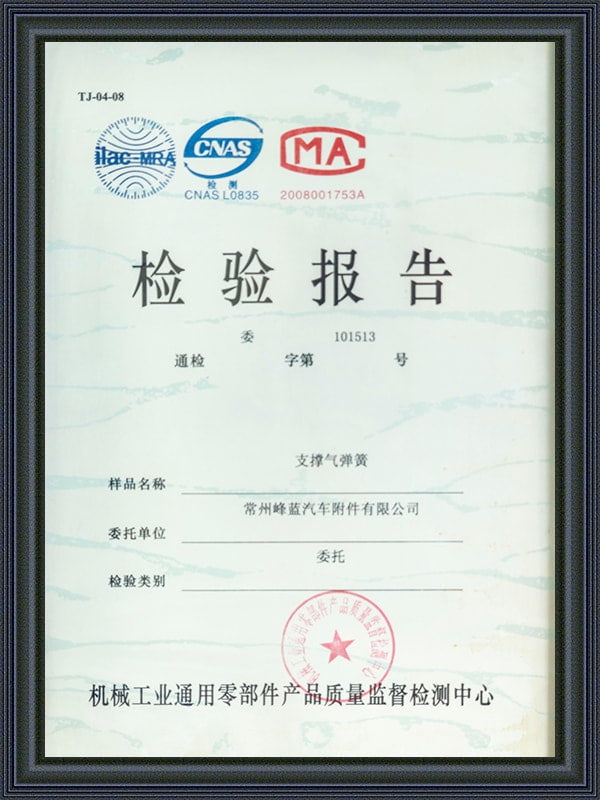
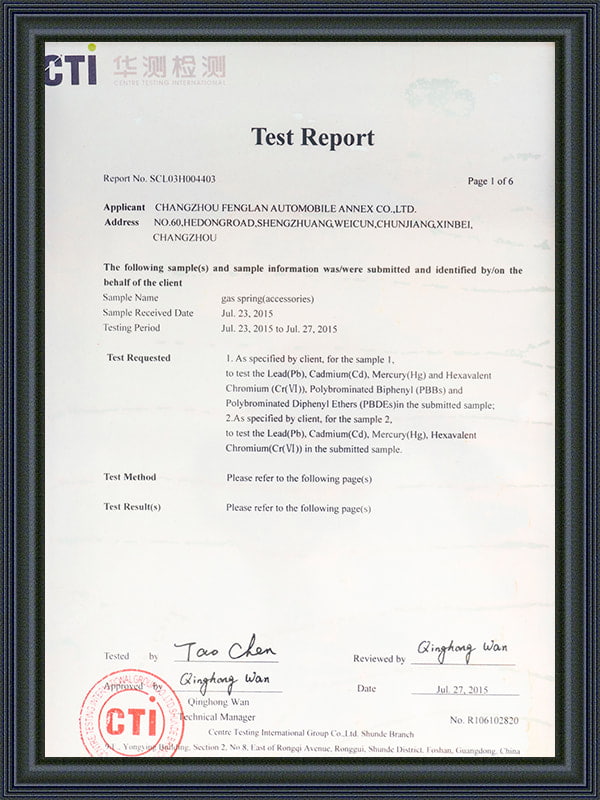
READ MOREWhat Automotive Gas Springs Actually Need from CNC Machining A gas spring looks deceptively simple — a pressurized cylinder with a sliding rod. But every surface that seals, guide...
READ MORE
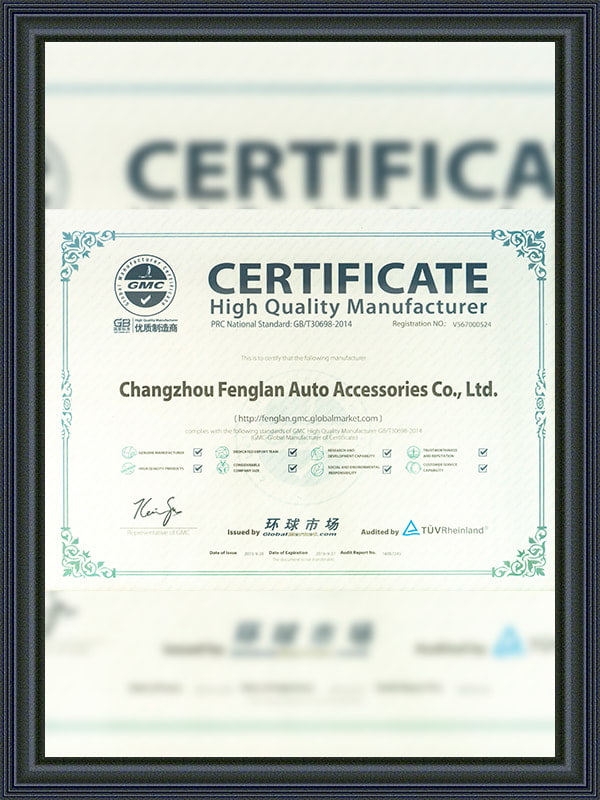
Fenglan is Automotive Pipe Fittings Suppliers and Custom Automotive Pipe Fittings Factory. Your Reliable Partner in Parts and Components Manufacturing since 2010
 Tel: +86-13861233850
  E-mail: [email protected]
  Add: No.60, East Zhuanghe Road, Chunjiang Town, Wei Village, Xinbei District, Changzhou City, China

