

 English
 中文简体
中文简体 عربى
عربى Español
 +86-13861233850
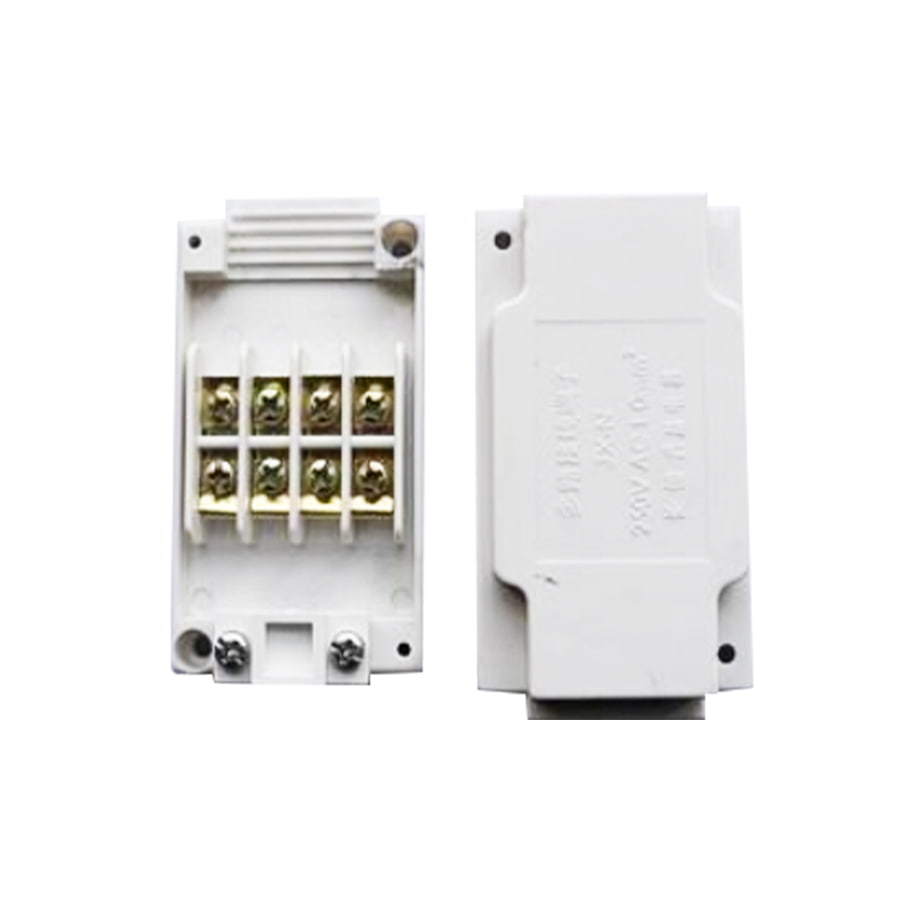
The JX-N 250V 1mm² white four-way junction box is a core accessory designed specifically for low-vol...
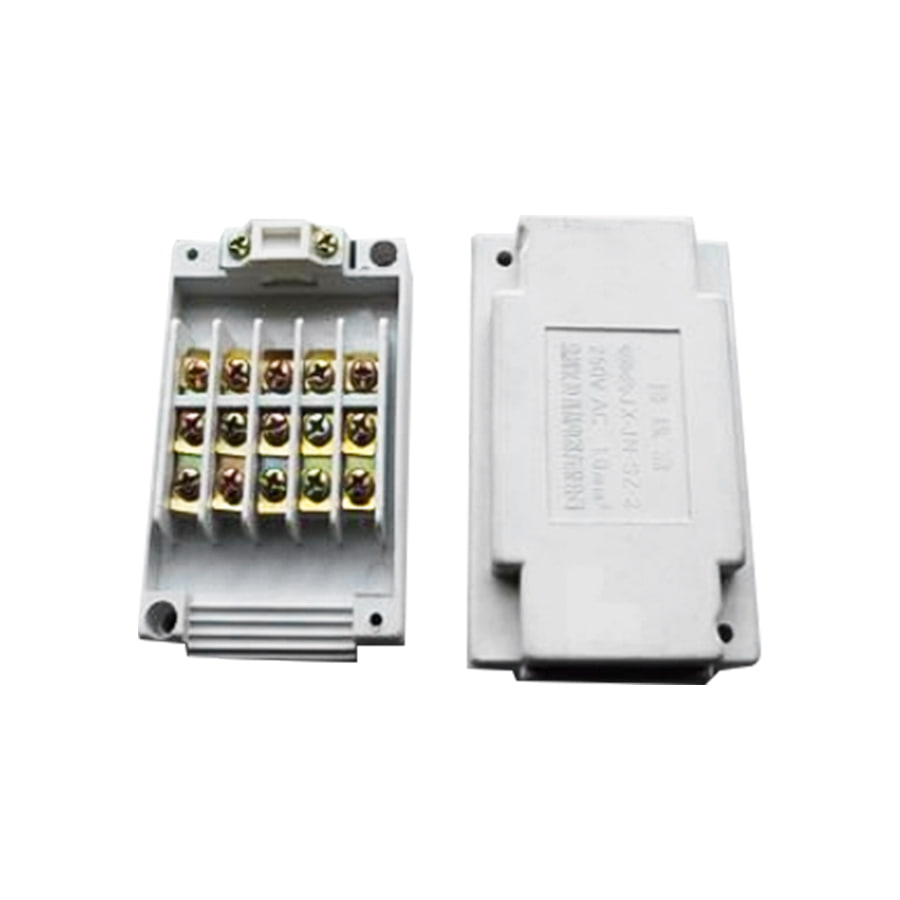
The key highlights of this junction box are its five-position design and compatibility with 1mm² wir...
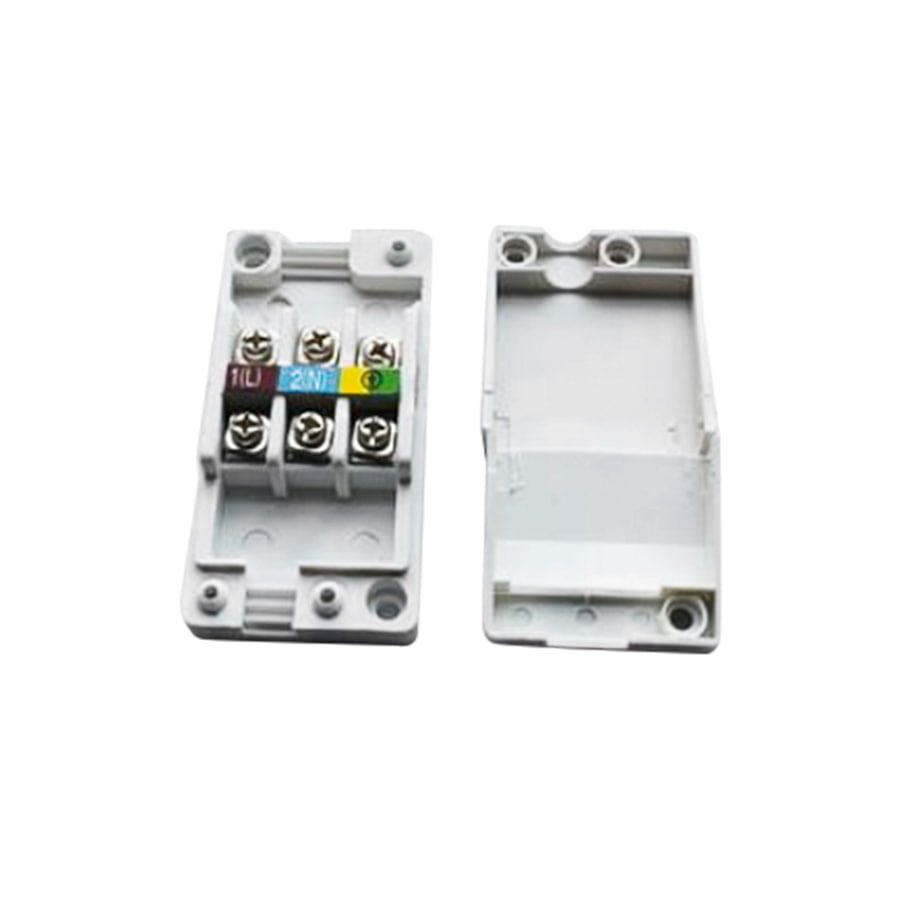
The JXG-3PB's housing is constructed of high-quality flame-retardant insulation, effectively elimina...
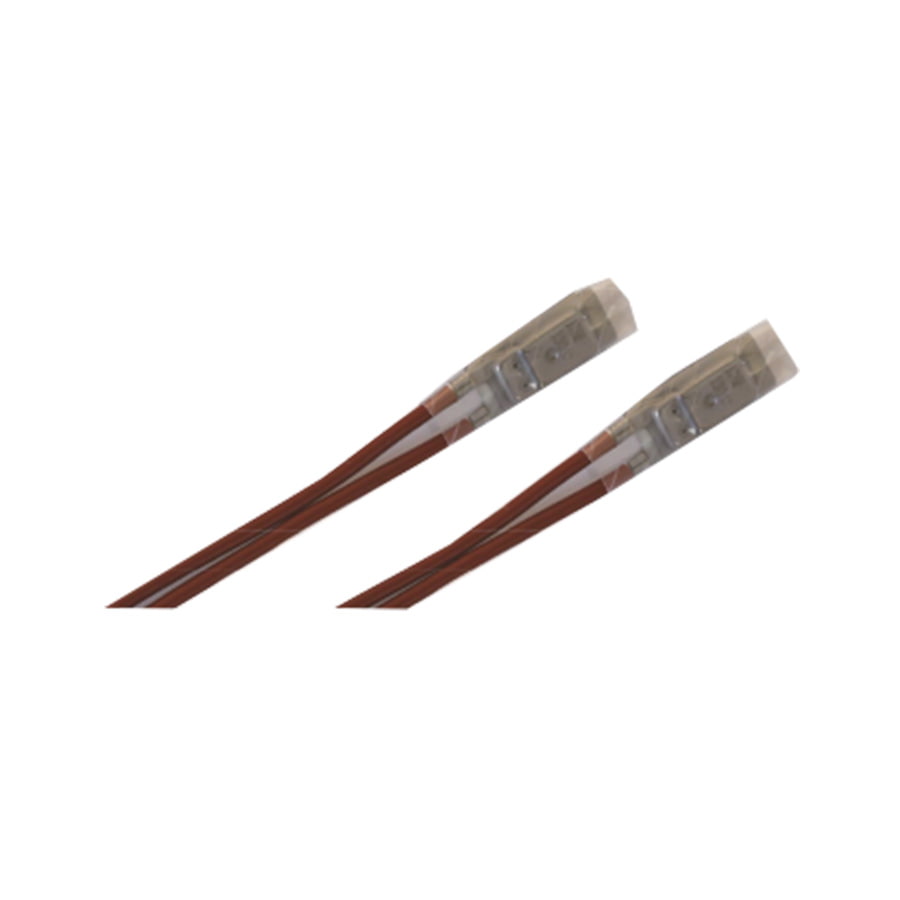
Principle and Structure: 17AM-C series is a kind of thermal protector with over-temperature and over...
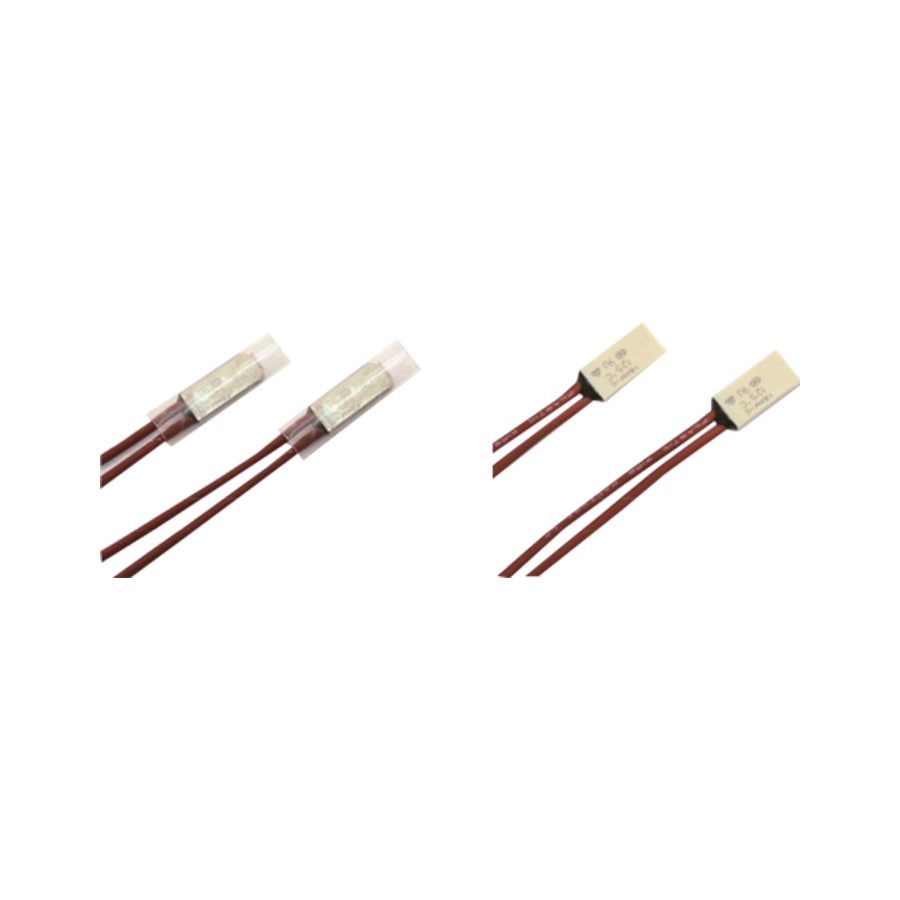
Principle and Structure: When the heat generated by the protected appliance is transmitted to the bi...
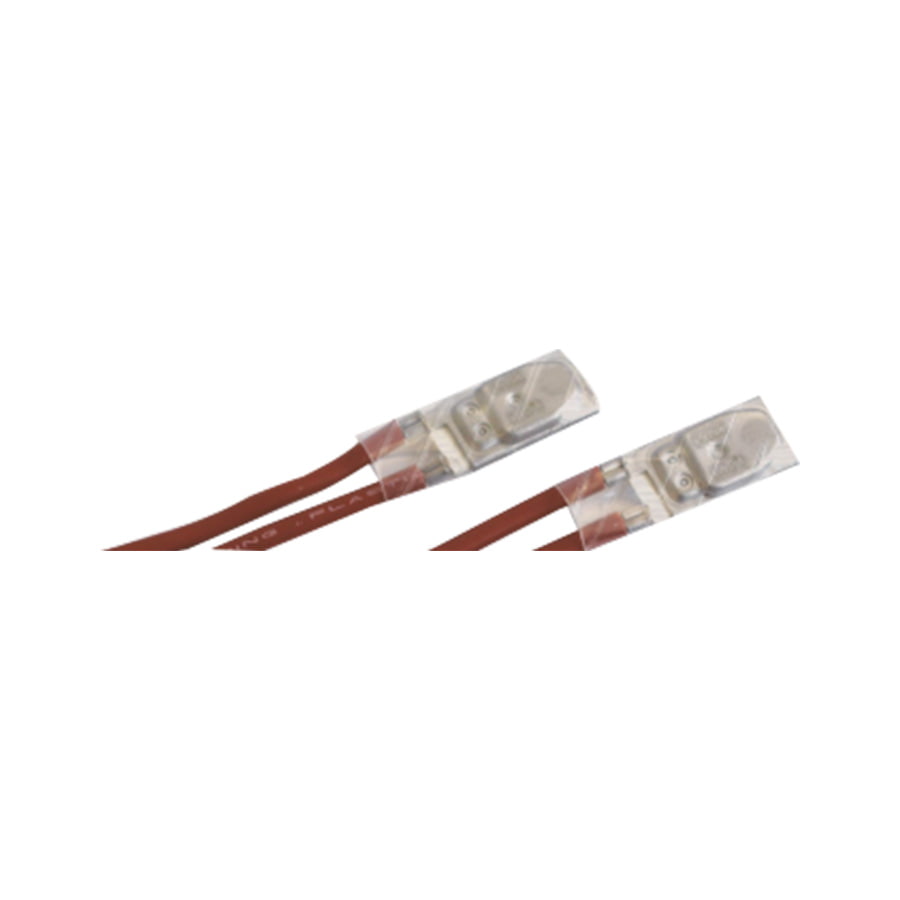
Principle and Structure: The 19AM series is a thermal protector with both over-temperature and over-...
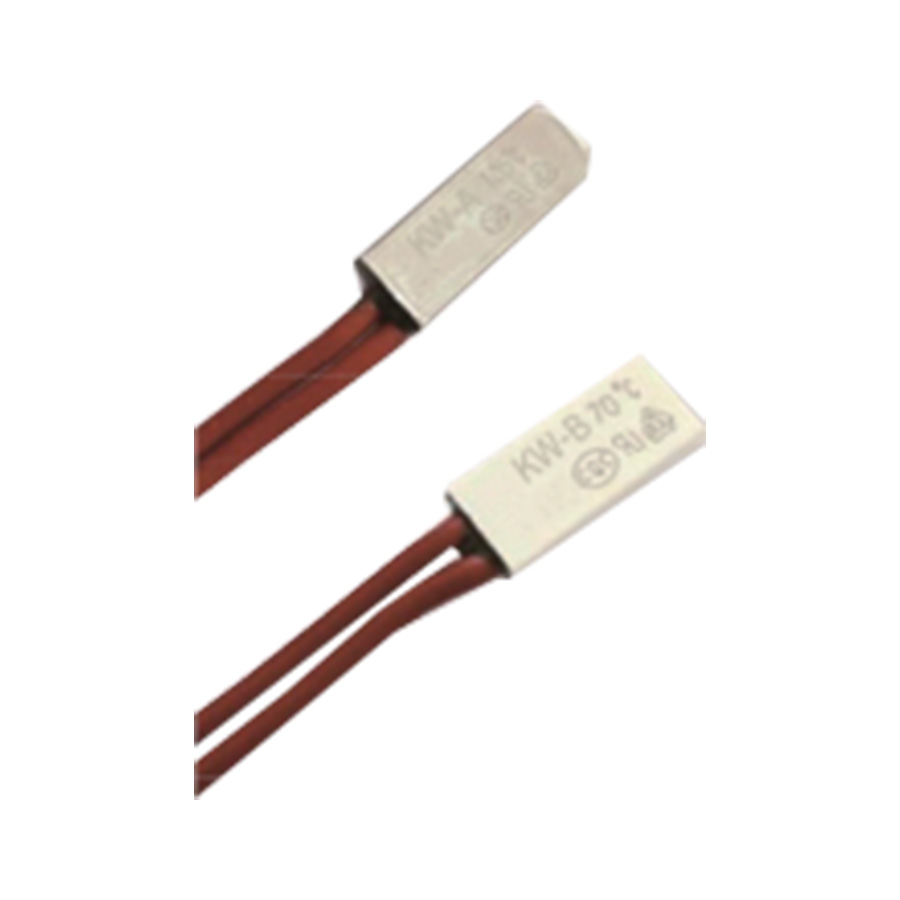
Instructions and Applications: The KW series thermal protector is an automatic temperature-responsiv...
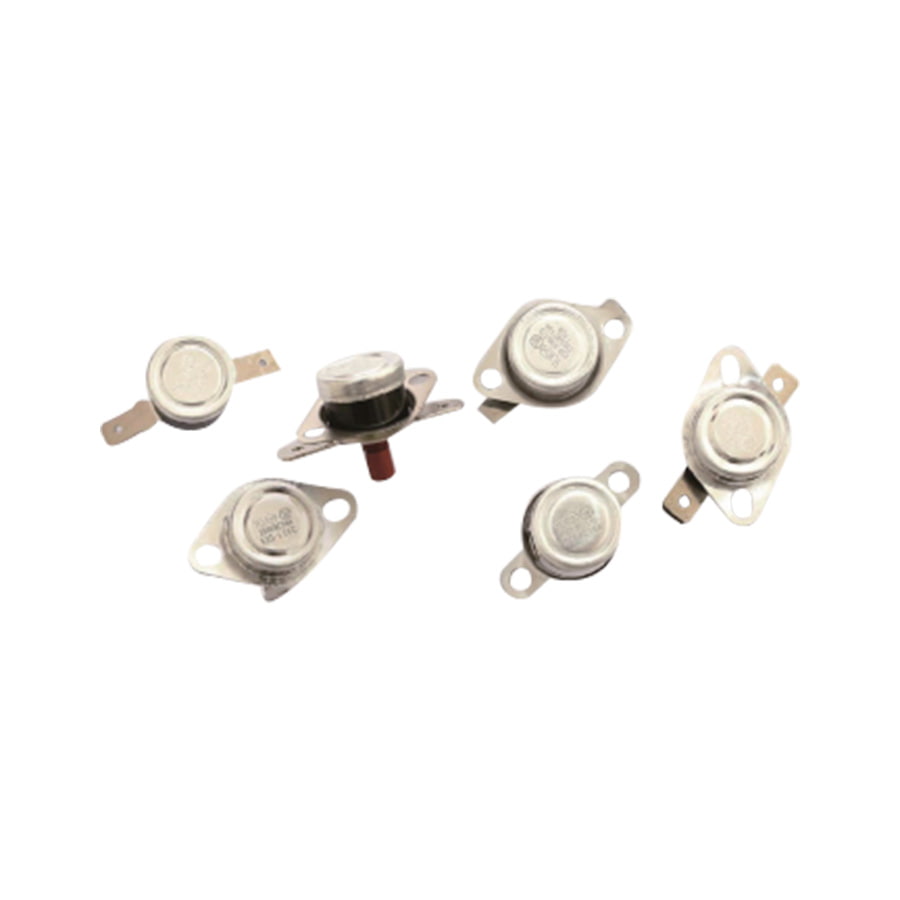
Instructions and Applications: The mechanism of KSD series snap-action thermostat is based on a snap...
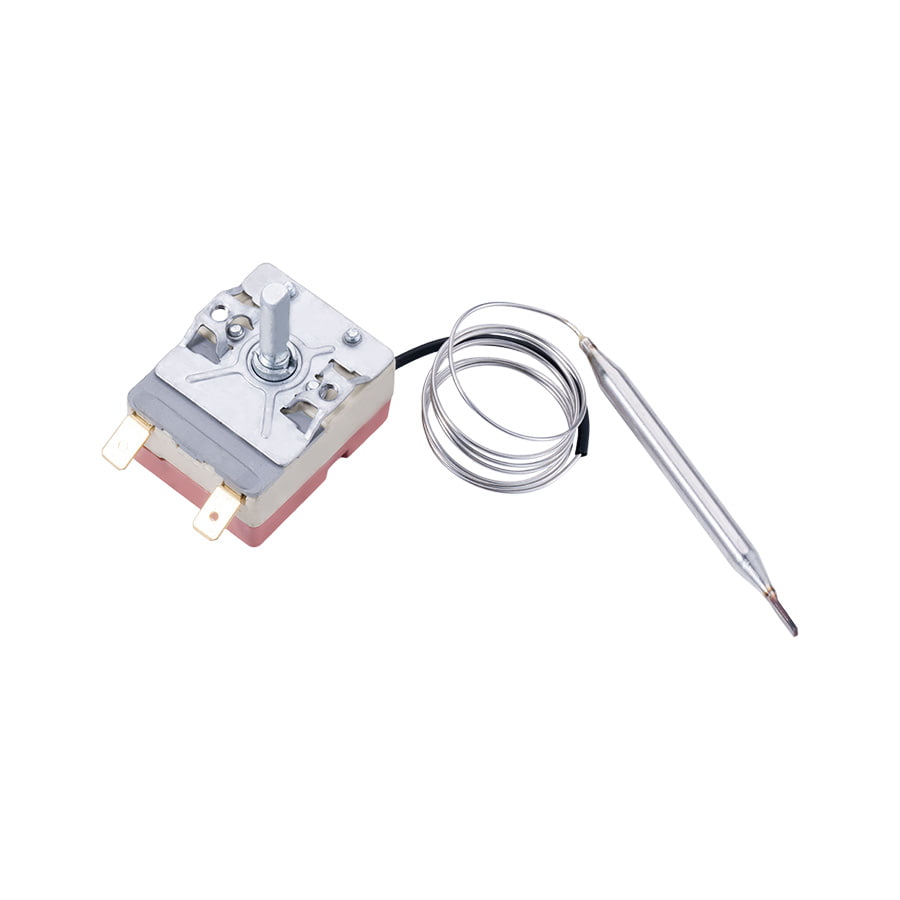
The core mission of a high-temperature thermostat is to provide stable and precise temperature contr...
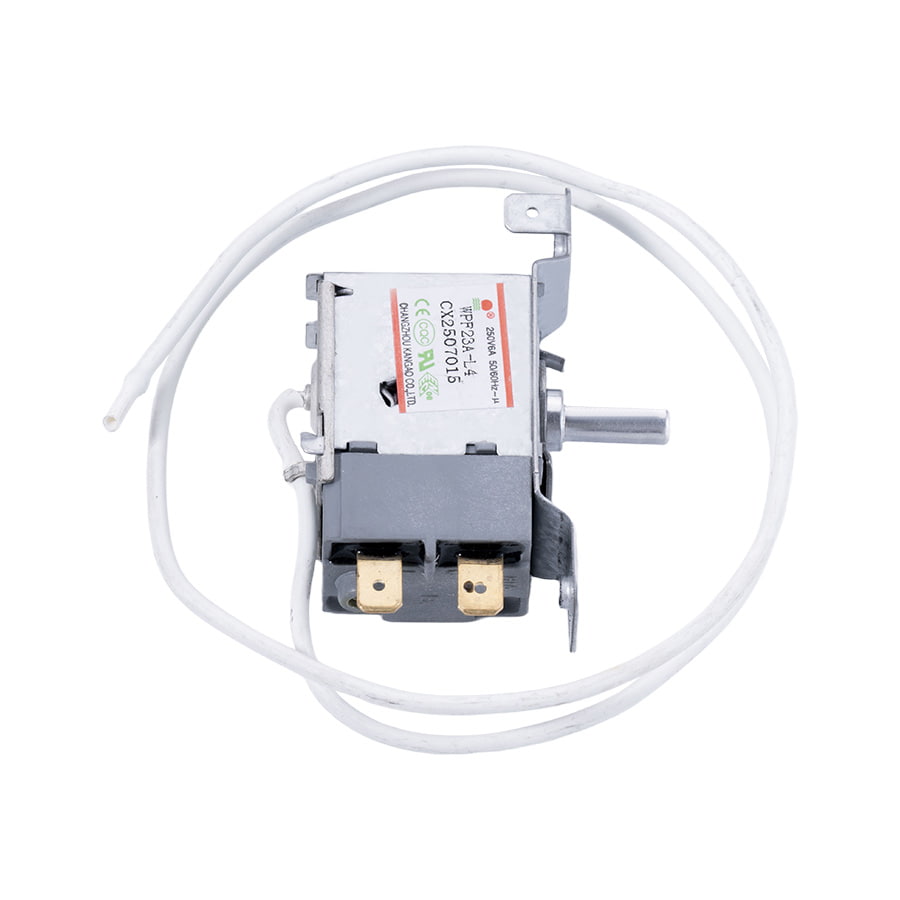
Low temperature thermostat is a precision temperature control device that integrates refrigeration, ...
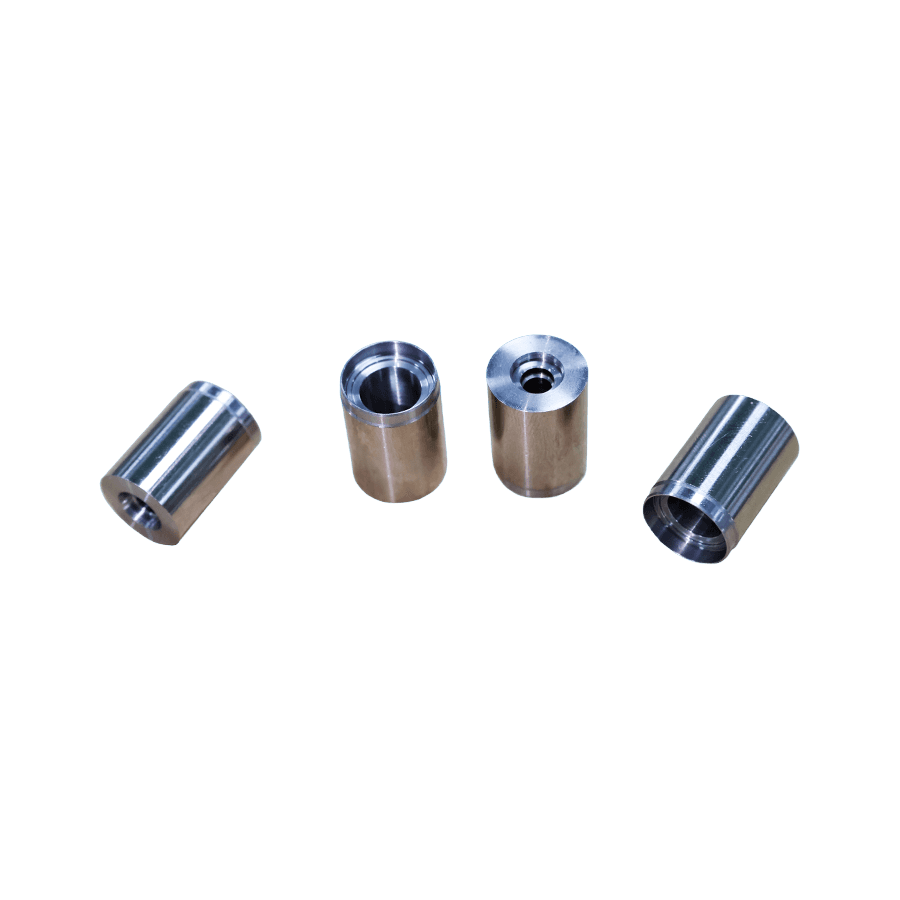
The solenoid valve core body serves as the core actuation element of electromagnetic suspension syst...
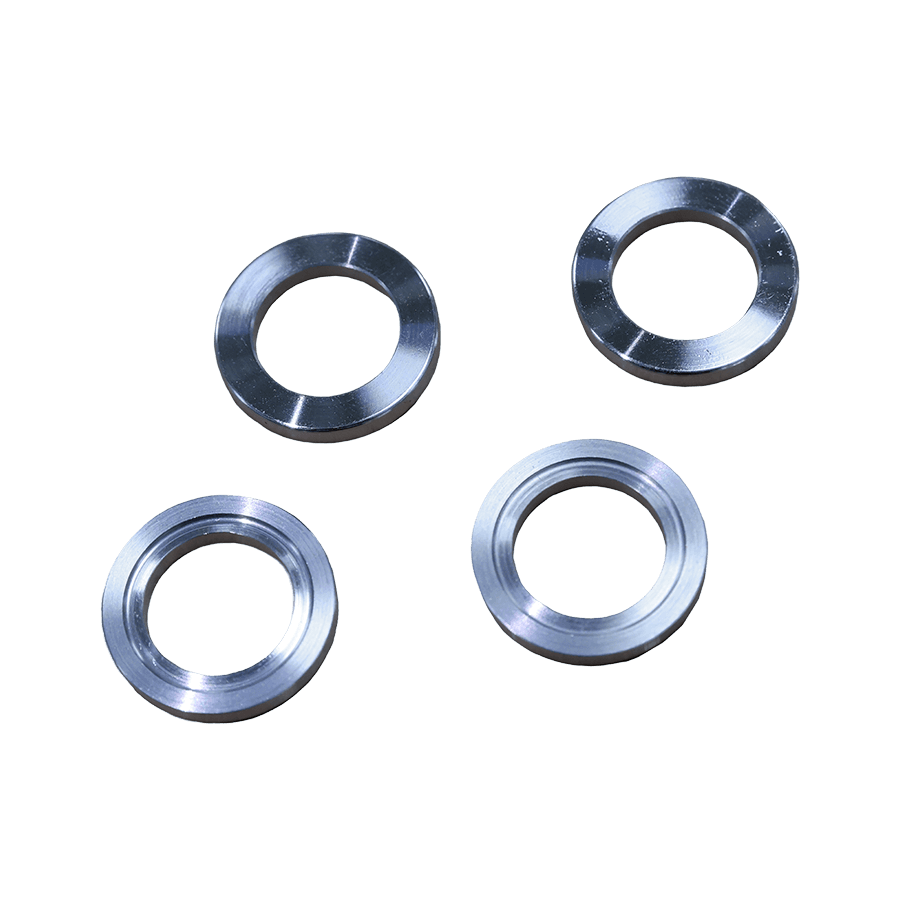
The retaining ring is one of the most critical passive safety components in electromagnetic suspensi...
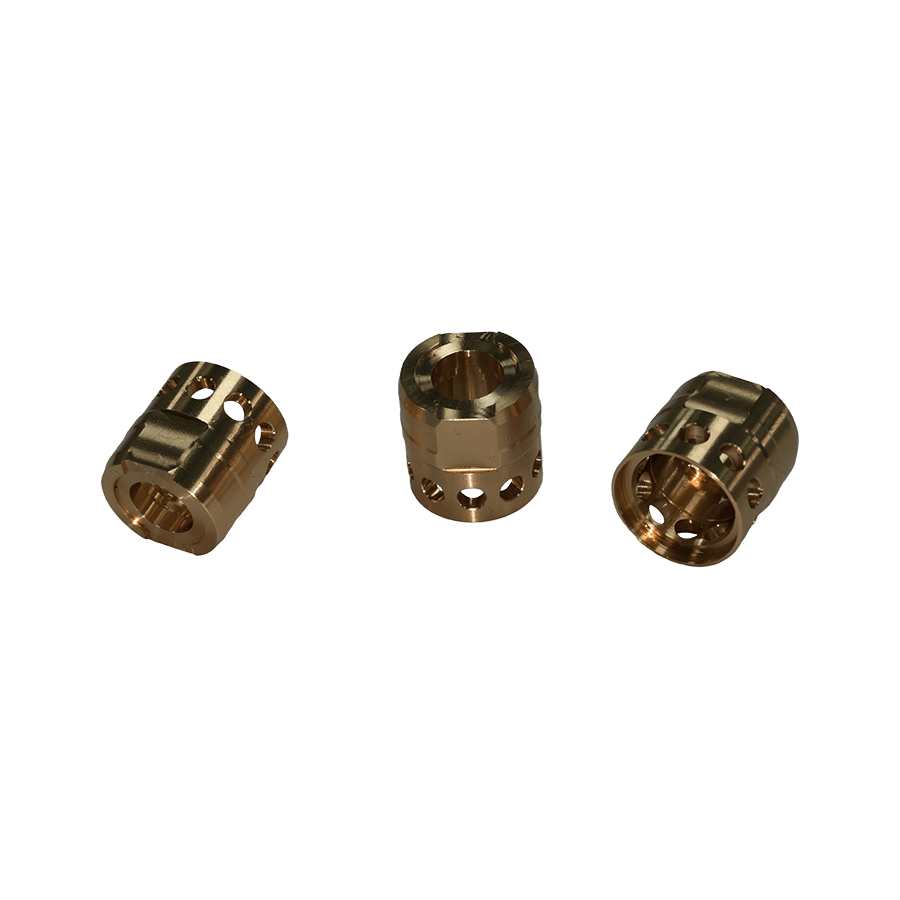
The main sleeve serves as the precision “skeleton” within the electromagnetic suspension hydraulic v...
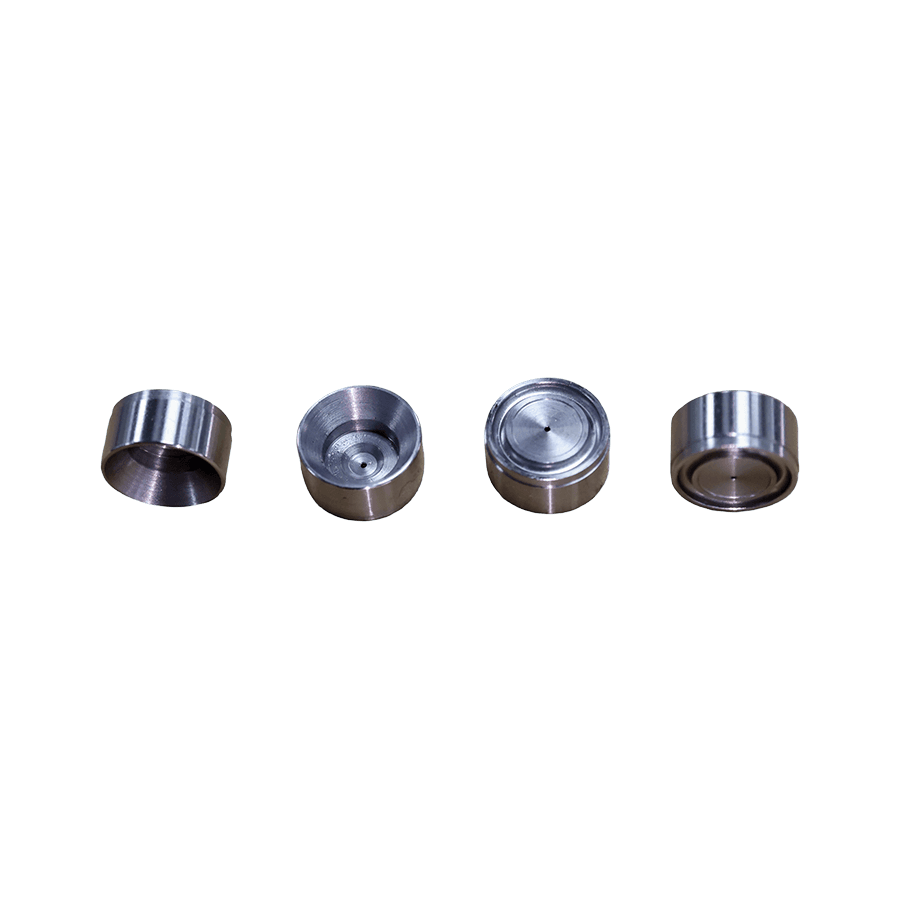
The main spool is the core actuating element that accomplishes the “electrical-mechanical-hydraulic”...
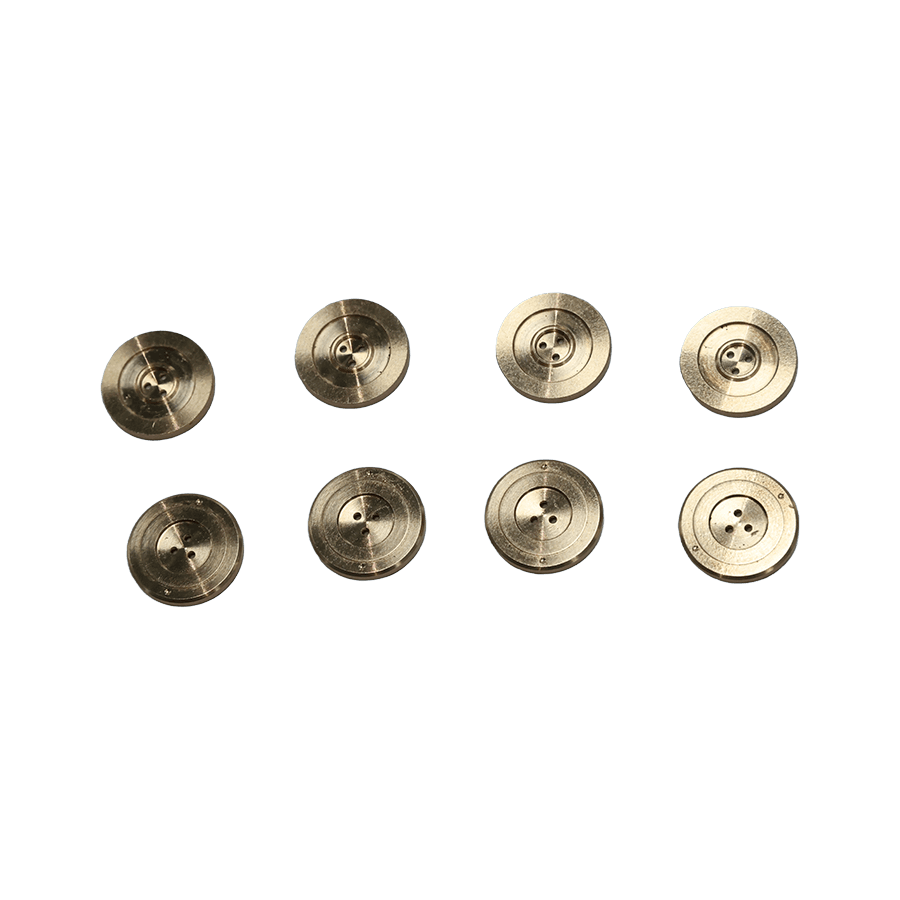
The Solenoid Valve Seat is a critical sealing component in hydraulic solenoid valves. Working togeth...


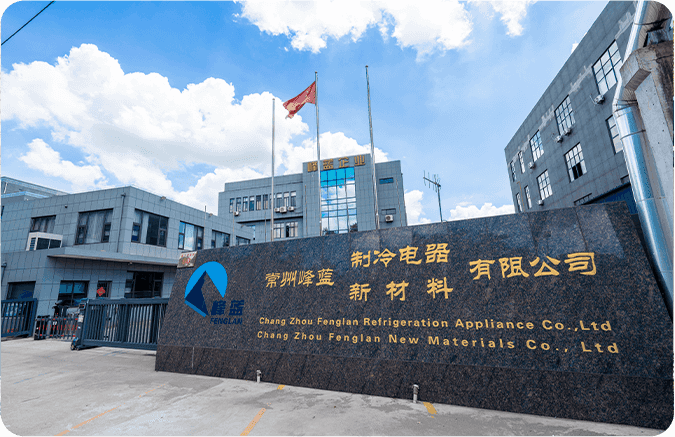


Modern Factory
Large-Scale Equipment
Self-Developed Milling Machines
Inspection Equipment
What Is a Low Temperature Thermostat and How Does It Work? A low temperature thermostat is a control device designed to monitor and regulate temperatures in environments that operate well below standard room temperature, typically ranging from just above freezing down to deep-freeze conditions. Unlike a standard househ...
READ MOREThe high temperature thermostat stands as a critical yet often underappreciated component in systems ranging from automotive powertrains to industrial processing plants, aerospace thermal management, and advanced energy generation. Unlike ordinary thermostats that operate within mild ambient ranges, high temperature va...
READ MOREWhat Precision Electrical Connector Terminals Actually Do Precision electrical connector terminals are the small metal components inside a connector that create the actual electrical contact point between a wire and a mating connector, circuit board, or component. While connector housings get most of the visual attenti...
READ MOREPrecision Parts and Components Manufacturing improves the operational reliability of mechanical equipment
The Critical Role of Precision Components
Precision parts are the unsung heroes of modern mechanical systems. These components—often small, intricate, and manufactured to micron-level tolerances—are responsible for ensuring smooth motion, accurate positioning, efficient energy transfer, and structural integrity. A single flawed gear, misaligned bearing, or poorly finished shaft can cascade into system-wide failures, leading to costly repairs, production halts, and even safety hazards.
Consider the automotive industry: a vehicle’s transmission system relies on dozens of precisely machined gears and synchronizers. If even one component deviates from its design specifications, it can cause noise, vibration, premature wear, or catastrophic failure. Similarly, in industrial automation, robotic arms depend on high-precision actuators and joints to perform repetitive tasks with millimeter accuracy. In electrical systems, connectors and housings must maintain perfect alignment and insulation to prevent arcing or signal loss.
Precision manufacturing, therefore, is not just about meeting dimensional specifications—it’s about guaranteeing performance under real-world conditions: extreme temperatures, continuous stress, corrosive environments, and millions of operational cycles.
Changzhou Fenglan New Materials Co., Ltd.: A Commitment to Excellence
Founded in 2010, Changzhou Fenglan New Materials Co., Ltd. has emerged as a trusted partner for industries demanding the highest standards in component manufacturing. Headquartered in China’s industrially vibrant Changzhou region, the company specializes in producing precision parts for automotive, industrial, and electrical applications. With a strong emphasis on research and development (R&D) and state-of-the-art manufacturing technologies, Fenglan New Materials has positioned itself at the forefront of innovation in materials science and precision engineering.
What sets Fenglan apart is its holistic approach to quality. The company doesn’t merely fabricate parts—it engineers solutions. Its R&D team collaborates closely with clients to understand their unique operational challenges, material requirements, and performance benchmarks. Whether it’s developing a wear-resistant alloy for a high-stress gearbox component or designing a thermally stable insulator for an electrical connector, Fenglan’s engineers leverage advanced simulation tools, metallurgical expertise, and lean manufacturing principles to deliver optimal results.
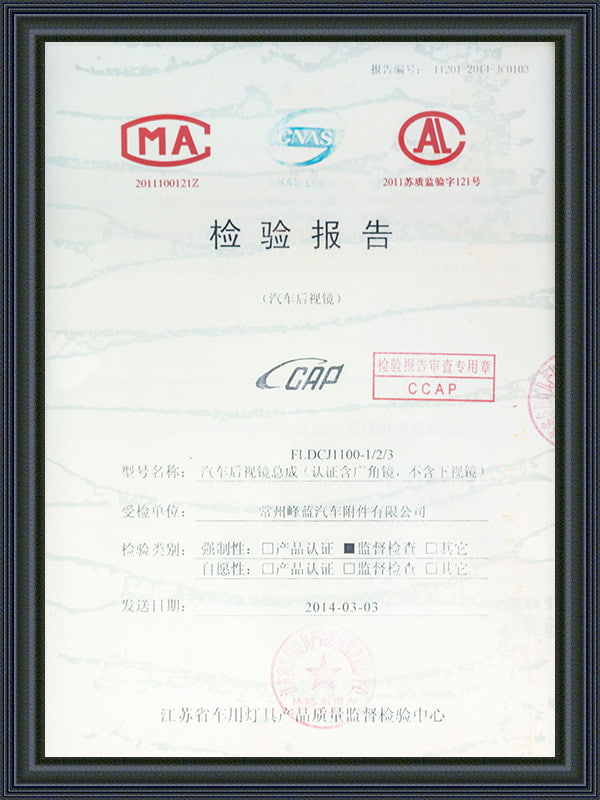
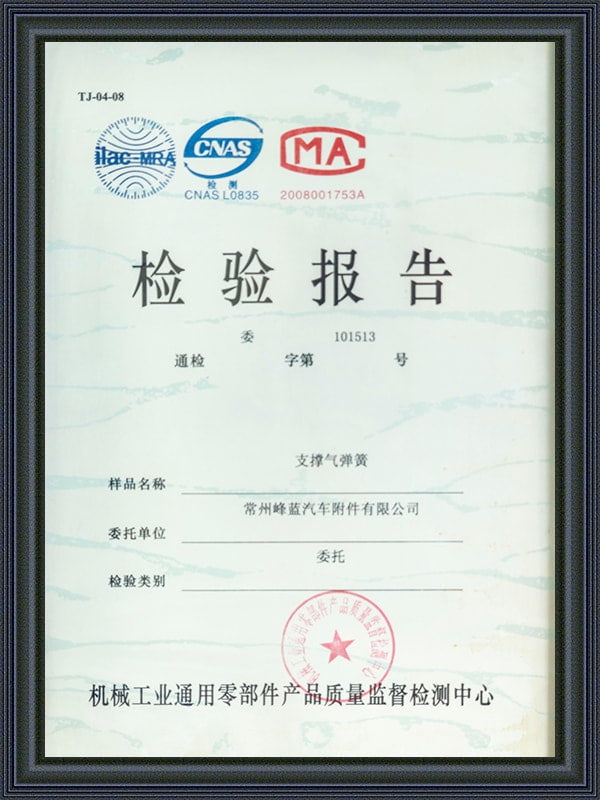
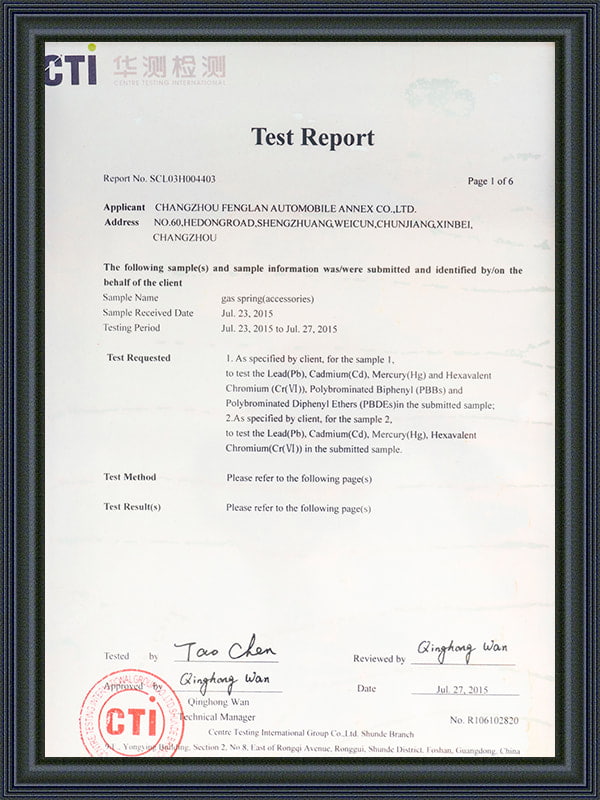
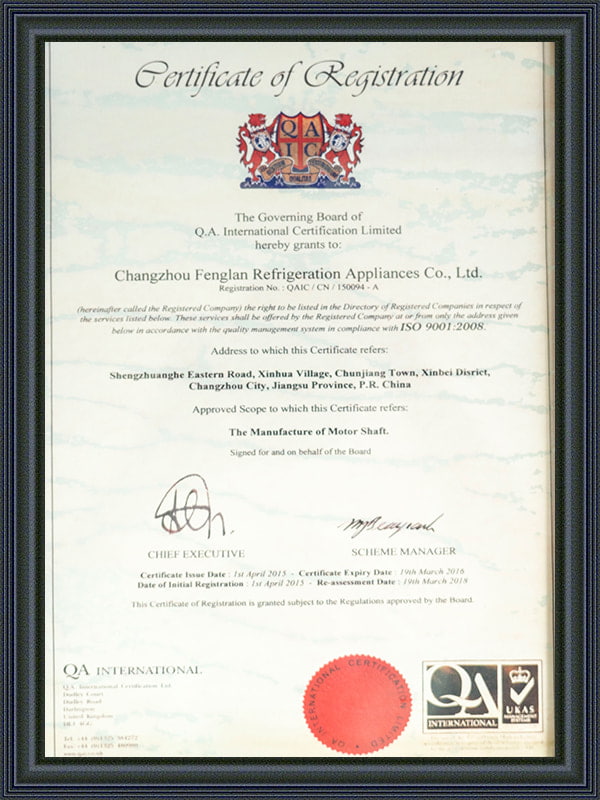
The company’s manufacturing infrastructure includes CNC machining centers, precision grinding equipment, automated inspection systems, and clean-room assembly environments. This ensures that every component leaving the facility meets international quality standards such as ISO 9001 and IATF 16949 (for automotive applications). Moreover, Fenglan implements rigorous in-process quality control, including statistical process control (SPC) and real-time dimensional feedback, to catch deviations before they become defects.
Enhancing Operational Reliability Through Precision
Operational reliability—the ability of equipment to perform its intended function without failure over a specified period—is directly influenced by the quality of its constituent parts. Precision manufacturing enhances reliability in several key ways:
1. Dimensional Accuracy and Consistency
Fenglan’s components are machined to tolerances as tight as ±0.005mm. This level of accuracy ensures perfect fit and alignment during assembly, reducing friction, backlash, and stress concentrations that can lead to premature failure.
2. Material Integrity and Performance
Not all materials behave the same under load or environmental stress. Fenglan selects and often custom-develops materials—such as high-strength aluminum alloys, corrosion-resistant stainless steels, and engineered polymers—that are tailored to the application. For example, in automotive turbocharger housings, the company uses heat-treated alloys that retain dimensional stability at temperatures exceeding 800°C.
3. Surface Finish and Treatment
Surface roughness, hardness, and coating integrity play critical roles in wear resistance and fatigue life. Fenglan employs advanced finishing techniques—including honing, polishing, anodizing, and PVD coating—to enhance surface properties. A smoother surface reduces friction and heat buildup; a hardened surface resists abrasion and deformation.
4. Design for Manufacturability and Assembly (DFMA)
Fenglan’s engineers work with clients early in the design phase to optimize parts for both function and manufacturability. This proactive approach reduces the risk of assembly errors, simplifies maintenance, and improves overall system reliability.
5. Traceability and Lifecycle Support
Every component produced by Fenglan is traceable through its manufacturing history, including material batch, inspection data, and process parameters. This traceability not only supports quality assurance but also enables predictive maintenance and root-cause analysis in the event of field failures.
The Future of Precision Manufacturing
As industries move toward greater automation, electrification, and sustainability, the demand for precision components will only intensify. Electric vehicles require ultra-precise battery connectors and motor housings. Renewable energy systems need reliable gearboxes and bearing assemblies for wind turbines. Smart factories depend on sensors and actuators with micron-level repeatability.
Changzhou Fenglan New Materials Co., Ltd. is preparing for this future. The precision parts OEM factory is investing in AI-driven quality inspection systems, additive manufacturing for complex geometries, and sustainable material alternatives with lower environmental footprints. Its R&D pipeline includes smart components embedded with sensors for real-time health monitoring—enabling predictive maintenance and further boosting operational reliability.
In a world where milliseconds matter and microns make the difference between success and failure, precision isn’t just a specification—it’s a promise. And Changzhou Fenglan New Materials Co., Ltd. is a company that keeps its promises, one precision part at a time.

Fenglan is Precision Parts OEM Factory, Precision Parts OEM Services. Your Reliable Partner in Parts and Components Manufacturing since 2010
 Tel: +86-13861233850
  E-mail: [email protected]
  Add: No.60, East Zhuanghe Road, Chunjiang Town, Wei Village, Xinbei District, Changzhou City, China

